ChatGPT turns on ads in Europe: the free tier stops being a demo and becomes an ad-supported product

🕒 Published on Zendoric: August 31, 2026 · 09:29
✨ AI-generated · how it's made
OpenAI is bringing banners and contextual pop-ups to free ChatGPT accounts in European markets including Germany, France, Spain and Italy, while Plus and Pro subscribers stay ad-free. It is a small interface change with a large structural meaning: the assistant everyone uses for free now has a second customer, and it is not the user. Our thesis: this is the predictable, and largely healthy, cost of keeping frontier AI free — but only if the wall between advertising and the answer itself holds.
📚 Go deeper
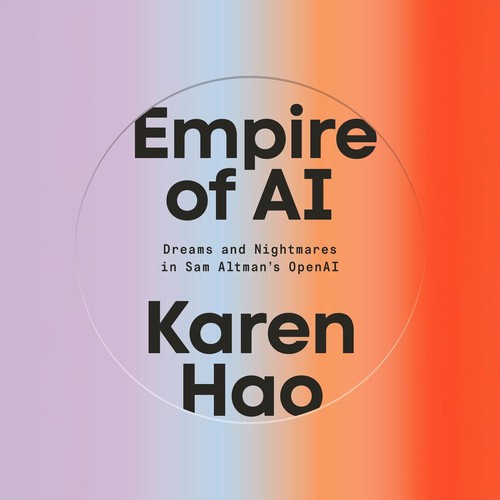
The definitive piece of investigative journalism on OpenAI: 260+ interviews, the clash between safety and speed, and the attempted firing of Sam Altma
As an Amazon Associate, Zendoric earns from qualifying purchases; the price does not change for you. · all our recommended books →
OpenAI is introducing advertising into free ChatGPT accounts in Europe. According to the report, users in markets such as Germany, France, Spain and Italy will see banners and contextual pop-ups inside the free product, while paying Plus and Pro accounts remain ad-free. That is the whole confirmed perimeter of the news: format (banners, contextual pop-ups), geography (major EU markets), and tiering (free pays with attention, paid pays with money).
The context matters more than the pixels. Running a frontier assistant is expensive in a way that search never was — every conversation burns inference compute, and free users generate the most volume and the least revenue. Two exits exist: raise the paywall, or monetize the free tier. Advertising is the second exit, and it is the same exit the web took in the 2000s. Nobody should be shocked that the industry's default business model reappeared; the interesting question is what it does to a product whose entire value is that it answers you straight.
The risk is not the banner. A banner is honest: it sits beside the content and you can ignore it. The risk is the gradient that starts at the banner and ends inside the response — sponsored recommendations, subtly ranked suggestions, an assistant that mentions one product because someone paid for the mention. Search engines walked that exact path over fifteen years. A conversational assistant is far more persuasive than a list of blue links, because it speaks with one voice and users treat it as advice rather than as results. The material here describes banners and pop-ups, not answer-level advertising, and we should not imply otherwise — but the direction of travel deserves scrutiny from day one.
Europe is also a deliberate choice of terrain. The EU is the jurisdiction with the strictest rules on tracking, consent and profiling, which means an ad system launched here has to work with less behavioral data than one launched elsewhere. That constraint could be a feature: contextual ads keyed to the conversation topic rather than to a dossier on the user are the less invasive version of this business. Whether that is what ships — and how clearly the ads are labeled as ads — is the thing worth watching, and the note does not tell us.
Our read: this is short-term friction in service of a long-term good, and both halves are true. The unglamorous fact is that ad-supported free tiers are how powerful technology reaches people who cannot pay twenty-odd euros a month — the same mechanism that put search, maps and email in everyone's hands. An AI that only the subscribed can use is a worse world than one with banners in it. But the price of that trade is a hard, visible wall between the advertiser's money and the model's answer. If OpenAI keeps commercial influence outside the response and labels it plainly, ads are a tax on abundance we can live with. If the sponsorship migrates into the text, the assistant stops being a tool that serves the user and becomes a channel that serves the buyer — and that would poison the most useful interface computing has produced in a decade. We will judge this by where the ads end up, not by the fact that they arrived.
📚 Go deeper
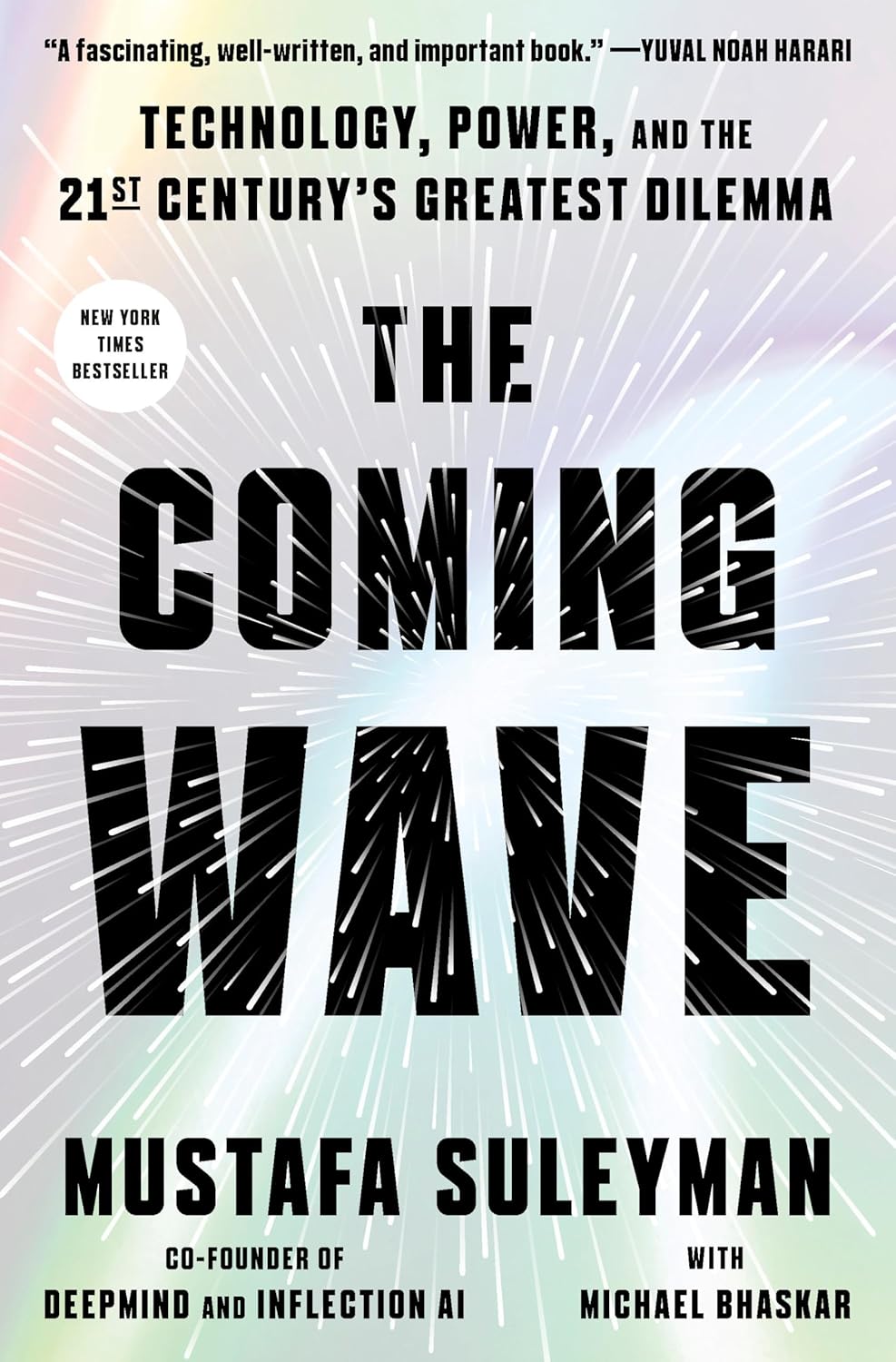
DeepMind co-founder on the dilemma of containing technologies that do not want to be contained.
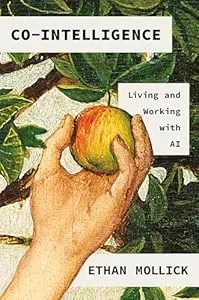
The best starting book if you're not technical: a Wharton professor explains how to work WITH AI — when to delegate, when to supervise, when to keep i
As an Amazon Associate, Zendoric earns from qualifying purchases; the price does not change for you. · all our recommended books →
🔗 Related on Zendoric
- With 'Jalapeño,' OpenAI stops being just a silicon customer and becomes the architect of its own infrastructure · 2026-06-26
- Europe does not need to win the chatbot race, but the autonomy one: Domyn's bet · 2026-06-27
- How users in China keep evading Anthropic's geographic restrictions to use Claude · 2026-07-04