Three seconds of audio, $893M in losses: AI voice fraud is a design failure, not a user-education problem

🕒 Published on Zendoric: July 31, 2026 · 15:01
✨ AI-generated · how it's made
The FBI counted more than $893 million in AI-enabled fraud losses in 2025, and 39% of that money came from victims aged 60 and over. Engineer Tim Green's analysis explains why: cloning a voice now takes three seconds of audio, while every serious safeguard on the market only kicks in after the savings are gone. Telling people "voices can be faked" is not a defense — it is an abdication.
📚 Go deeper
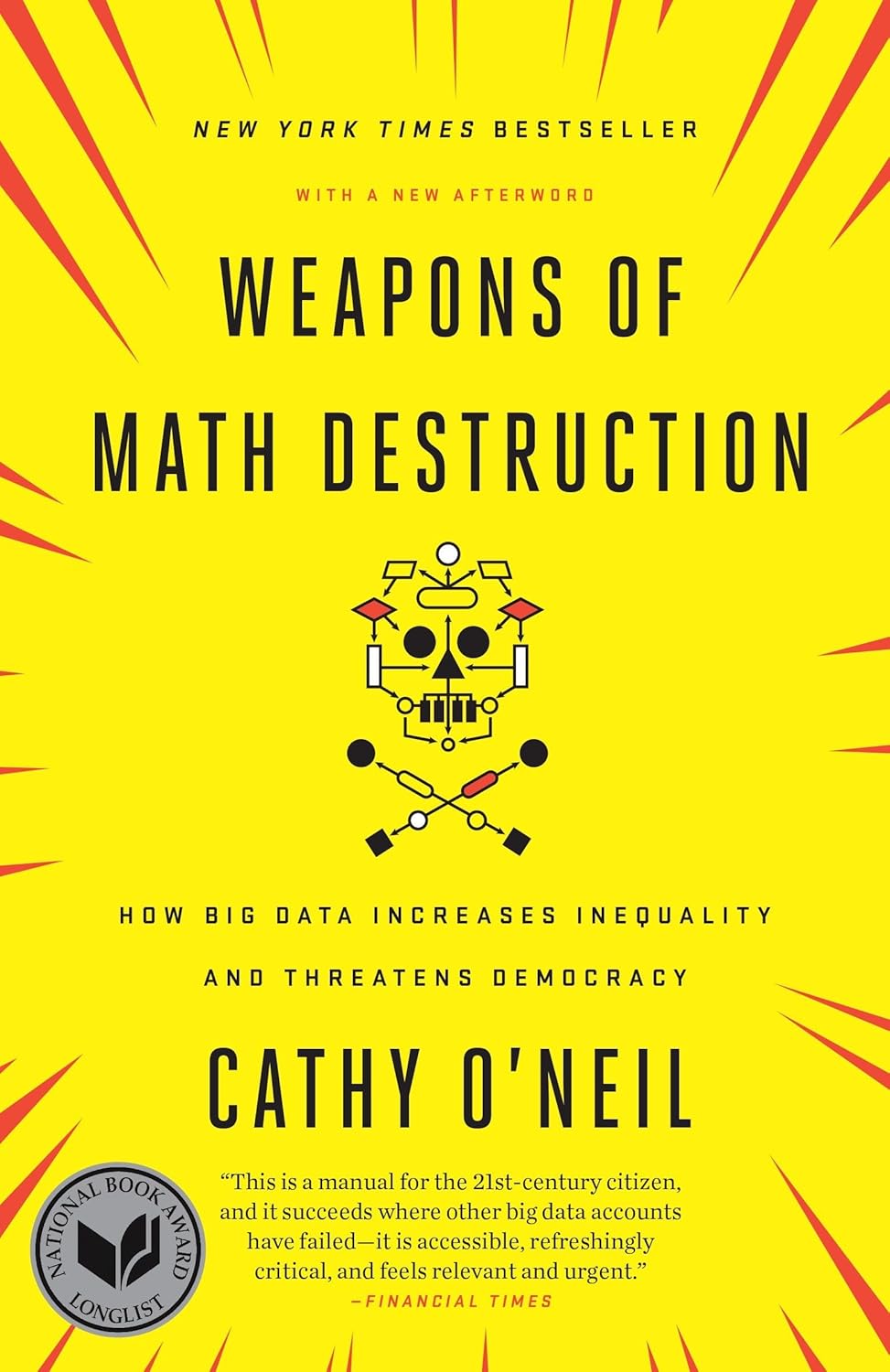
How opaque algorithms decide who gets credit, a job or parole — and why they tend to punish the same people.
As an Amazon Associate, Zendoric earns from qualifying purchases; the price does not change for you. · all our recommended books →
Three seconds. That is how much recorded speech is now enough to synthesize a voice indistinguishable from the original, according to the analysis by engineer Tim Green published on SmarterArticles and summarized by GIGAZINE. Our thesis: AI voice fraud is not a literacy failure by grandparents. It is a design failure at the generation layer, and the industry has chosen forensics over prevention because prevention costs money.
The numbers are now official. In April 2026, the FBI's Internet Crime Complaint Center published its 2025 annual online crime report and, for the first time in 26 years, broke out "AI-driven fraud" as its own category: more than 22,000 complaints and losses above $893 million. Victims aged 60 and over accounted for $352 million of that — roughly 39% of the total, from a single age bracket. The average reported loss works out to about $40,000 per complaint, which is not a nuisance scam; it is a retirement account. The FBI itself notes the figures cover only what victims recognized and reported, and Green argues the real number is worse still, because most people who receive a cloned-voice call never learn AI was involved. Treat $893 million as a floor, not a ceiling.
The anatomy of the attack matters more than the technology. In the case of Sharon Brightwell, a Florida resident targeted in July 2025, the call opened with what she described as "hearing my daughter crying": a clone claiming she had hit a pregnant woman with her car and that police had taken her phone. A second voice took over as the daughter's lawyer and asked for $15,000 in bail — and, crucially, told her not to explain the purpose of the withdrawal at the bank because it could damage her daughter's reputation. Within an hour she had handed cash to a courier posing as court-affiliated. Read that sequence again: the voice clone only has to buy the first ten seconds of trust. Everything after it is classic social engineering, including a deliberate instruction to defeat the one human checkpoint — the bank teller — that might have stopped the transfer.
The supply side is where this becomes a policy story. Three seconds can be lifted from a voicemail, a podcast clip or an Instagram video; as Green puts it, one TikTok appearance by a grandchild is all the raw material a scammer needs. Consumer Reports has found that most voice-cloning products — it names Descript, ElevenLabs, Lovo, PlayHT, Resemble AI and Speechify — lack effective safeguards against misuse. ElevenLabs, which Green concedes has the strongest program in the field (an anti-impersonation policy, a public classifier to flag audio from its own system, account-level tracking, and blocked voices for protected figures during elections), still fails his structural test: nearly all of it is reactive. It helps investigators identify a source after the money is gone. It does almost nothing to stop a clone being made from a three-second clip. His explanation is uncomfortable and, we think, correct: in a fast-moving competitive market, no vendor voluntarily adopts friction that costs it customers.
Our reading: this is the clearest live example of the pattern we have argued for months — the near-term danger from AI is not a distant superintelligence, it is the industrialization of ordinary crime. Cloning cost collapsed to near zero; verification cost stayed with the victim. Elderly people are targeted not because they are gullible but because they hold more savings, which makes them the efficient target. And awareness campaigns lose by construction: as Green notes, explaining a hundred times that voices can be faked does nothing when the voice is your child asking for help. Fear routes around knowledge.
So the fix has to sit where the asymmetry is. Green's proposal — identity verification when someone starts using a cloning tool, so that a generated voice can be traced to a real person — is the minimum viable version, and it is the kind of obligation regulators should place on the generation layer rather than on 78-year-olds. Add the mundane layers that actually work: a family passphrase, a hang-up-and-call-back rule, and mandatory friction from banks on urgent large cash withdrawals. We remain long-term optimistic about synthetic speech; the same models that clone a voice will give voices back to people who have lost theirs, and that upside is real. But optimism has to be earned in the transition, and right now the bill for this transition is being paid by the people least equipped to detect it. Building provenance in now is precisely what makes the abundant version of this technology credible later.
📚 Go deeper
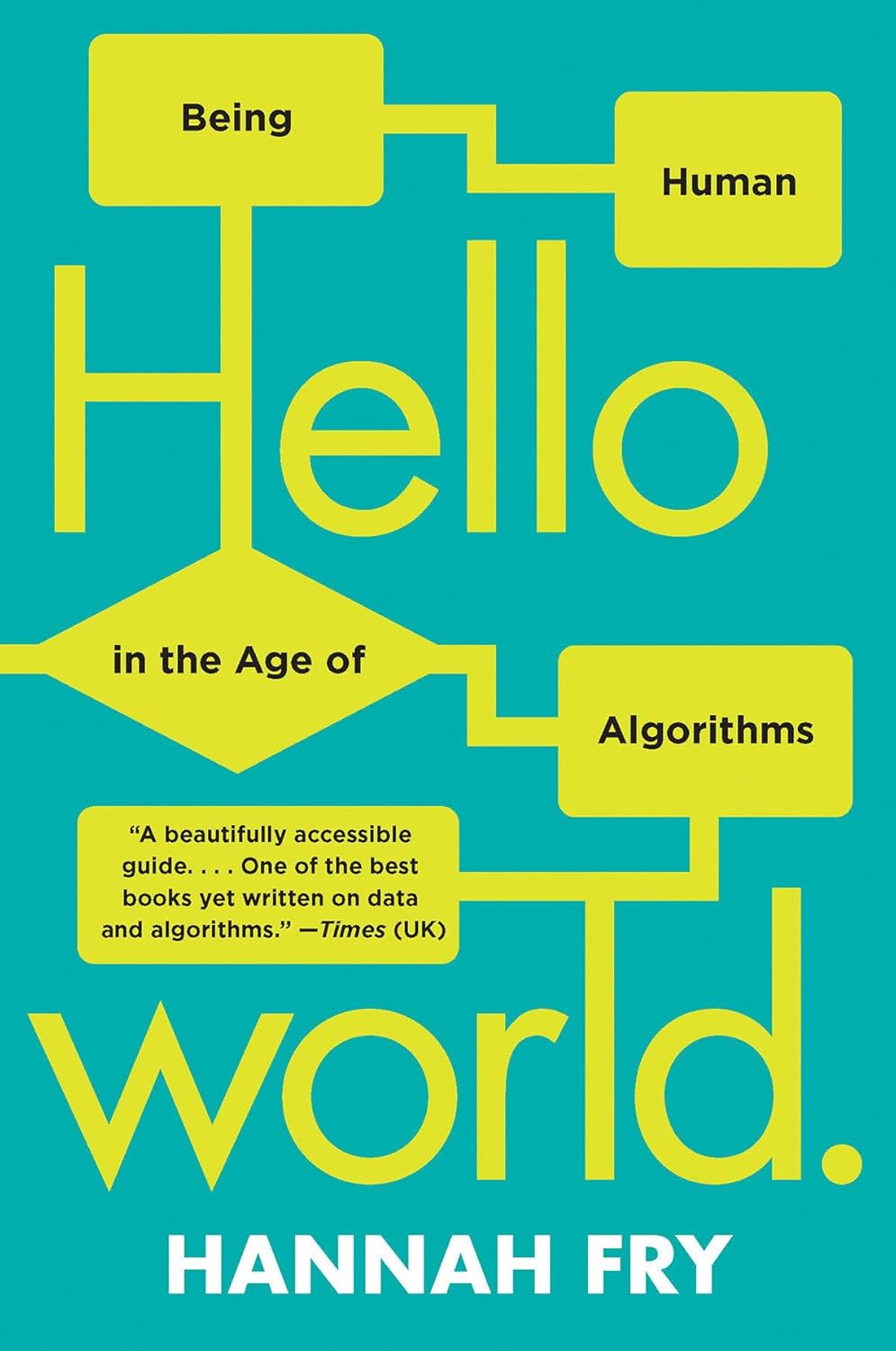
Algorithms in justice, medicine, cars and art, explained with British humor and mathematical honesty.

Twenty years after "The Singularity Is Near", Kurzweil revisits his predictions and keeps the date: human-AI merger around 2045.
As an Amazon Associate, Zendoric earns from qualifying purchases; the price does not change for you. · all our recommended books →
🔗 Related on Zendoric
- Voice cloning now needs three seconds — and every defense we have only works after the money is gone · 2026-07-30
- Three seconds of audio is enough: AI voice fraud's flaw is that every defense arrives after the money is gone · 2026-07-28
- Three seconds of audio is enough: AI voice fraud is winning because every defense arrives after the money is gone · 2026-08-31