Voice cloning now needs three seconds — and every defense we have only works after the money is gone

🕒 Published on Zendoric: July 30, 2026 · 00:20
✨ AI-generated · how it's made
The FBI counted more than 22,000 AI-related fraud complaints and $893 million in losses in 2025, with $352 million of it taken from people over 60. Engineer Tim Green's analysis of the voice-cloning market explains why: the safeguards vendors advertise are forensic, not preventive. They help identify who made the clone after the savings are gone.
📚 Go deeper
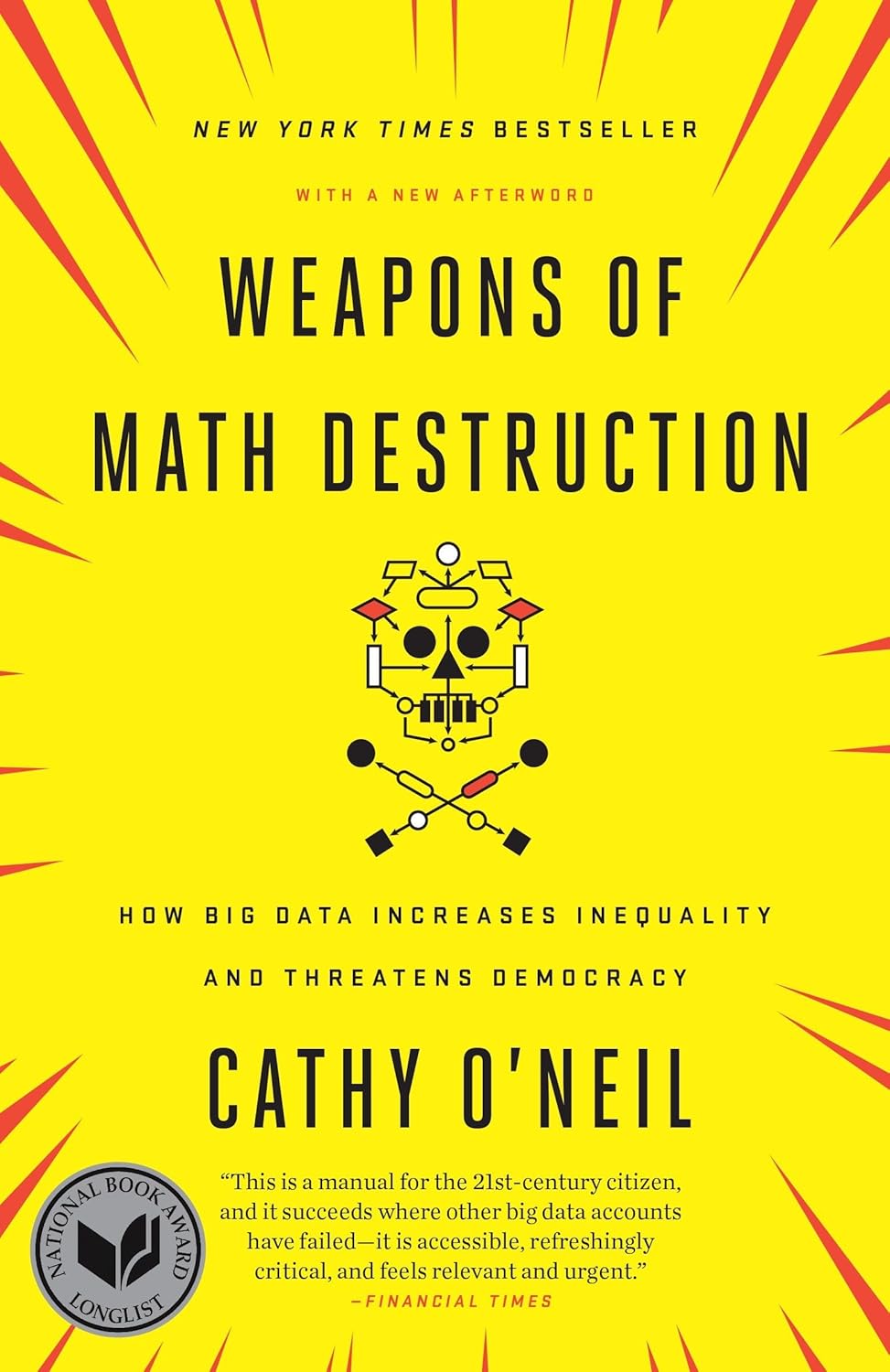
How opaque algorithms decide who gets credit, a job or parole — and why they tend to punish the same people.
As an Amazon Associate, Zendoric earns from qualifying purchases; the price does not change for you. · all our recommended books →
The U.S. Federal Bureau of Investigation's Internet Crime Complaint Center added "AI-driven fraud" as its own category for the first time in the 26-year history of its annual report, published in April 2026. The 2025 tally: more than 22,000 complaints and over $893 million in losses. Victims aged 60 and over absorbed $352 million of that — roughly 39% of the damage, concentrated in a minority of the population. The average reported loss works out to about $40,000 per complaint. The FBI itself cautions that the figure only counts fraud victims recognized and reported, which, as engineer Tim Green argues in his analysis for SmarterArticles, makes $893 million a floor rather than a ceiling: most people scammed by a synthetic voice never learn that a machine was on the line.
Green's case study shows the mechanics. In July 2025, Sharon Brightwell, a Florida resident, received a call that sounded, in her words, "like hearing my daughter crying." The cloned voice said she had hit a pregnant woman with her car and that police had taken her phone. A second man came on the line claiming to be the daughter's lawyer and asked for $15,000 in cash for bail — and told Brightwell not to state the reason for the withdrawal at the bank, because it "could damage her daughter's reputation." Within an hour she had handed the cash to a courier presenting himself as court-affiliated. She only discovered the fraud when she reached her actual daughter. Note the craft here: the AI supplies emotional authenticity, and a human operator supplies the urgency, the secrecy instruction and the collection logistics. The clone is one component in an otherwise conventional confidence scheme.
The technical threshold is what has collapsed. Three seconds of audio is now enough to synthesize a voice that its owner's family cannot distinguish from the real thing — meaning a voicemail greeting, a podcast clip, or a single TikTok appearance is sufficient raw material. Green's line is blunt: one grandchild in one video gives a scammer everything needed to fabricate a crisis. Consumer Reports has found that most voice-cloning products on the market — Green's list includes Descript, ElevenLabs, Lovo, PlayHT, Resemble AI and Speechify — lack effective measures against misuse.
ElevenLabs is the interesting counterexample, because it has actually built controls: a usage policy banning impersonation, a public classifier that flags audio likely generated by its own system, provenance tracking that links output to the account that made it, and blocked-voice protection for specific individuals during election periods. Green credits these as better than most competitors' — and then identifies the structural flaw: nearly all of them are reactive. They help investigators trace a clone after the fraud, not stop the clone from existing. What would actually prevent it, he argues, is a rigorous and enforceable detection-and-identity mechanism at the point of generation, which a fast-moving, highly competitive market has no commercial incentive to impose on itself. If protection costs revenue, no vendor volunteers first.
Our reading: this is an incentive failure, not a technology failure, and it validates a thesis we have argued repeatedly — the near-term danger from AI is the industrialization of ordinary fraud, not distant superintelligence. Here it has a phone number. Two consequences follow. First, awareness campaigns will keep underperforming; as Green notes, telling someone a hundred times that voices can be faked does not survive first contact with a child's voice begging for help. Defenses have to sit where the friction can be applied — identity verification for cloning tools, mandatory provenance signals, and bank-side delays on urgent large cash withdrawals — not in the victim's split-second judgment. Second, the same synthesis technology that enables this will also restore speech to people who have lost it and dissolve language barriers; the answer is not to ban voice models but to make generation attributable. Long term we remain optimistic that this becomes a solved authentication problem, the way payment fraud became a managed cost rather than an existential one. Short term, the elderly are paying the tuition for a market that has decided prevention is somebody else's budget line.
📚 Go deeper
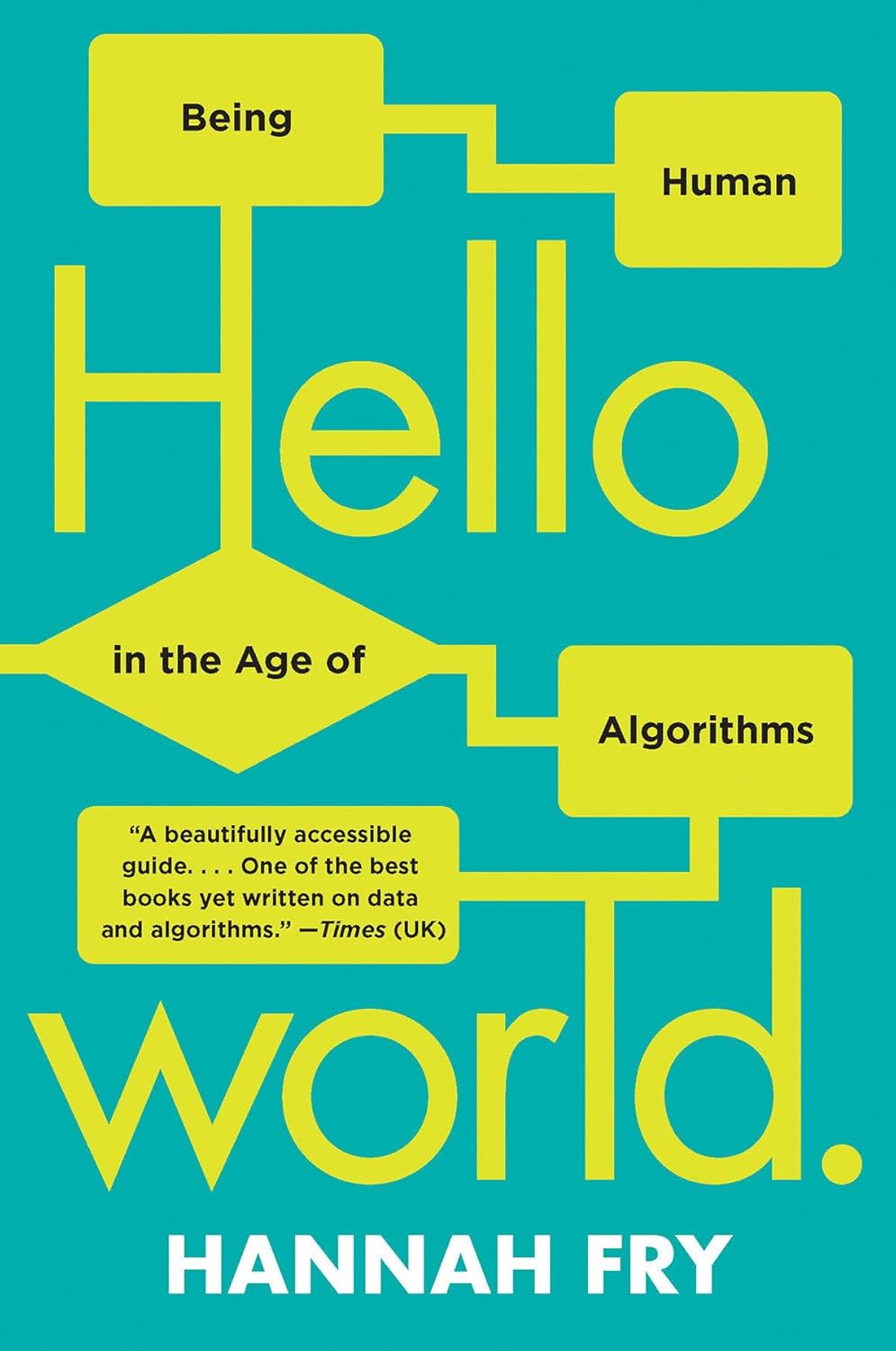
Algorithms in justice, medicine, cars and art, explained with British humor and mathematical honesty.

The only novel on the list, by a Nobel laureate: an artificial friend observes humans with a blend of lucidity and innocence no essay achieves.
As an Amazon Associate, Zendoric earns from qualifying purchases; the price does not change for you. · all our recommended books →
🔗 Related on Zendoric
- Three seconds of audio, $893M in losses: AI voice fraud is a design failure, not a user-education problem · 2026-07-31
- Three seconds of audio is enough: AI voice fraud's flaw is that every defense arrives after the money is gone · 2026-07-28
- Three seconds of audio is now enough to clone a voice, and every defense we have arrives too late · 2026-07-29