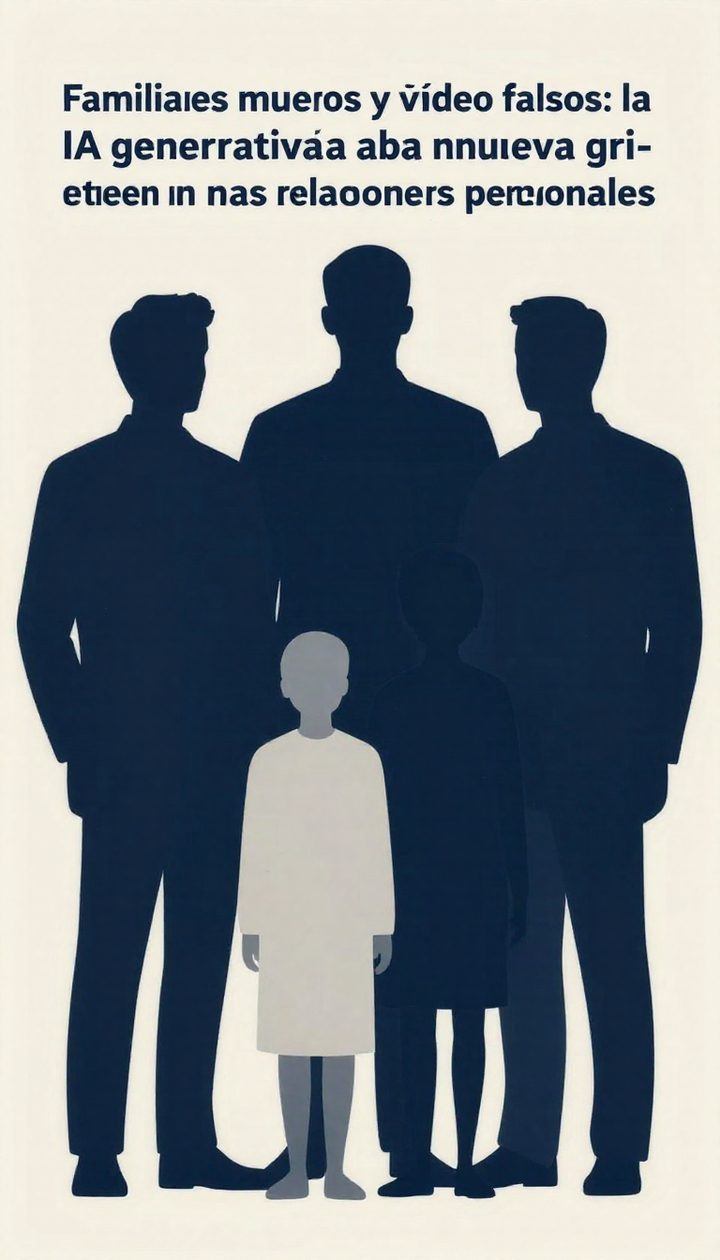
Animated photos of dead relatives and fake videos: generative AI opens a new rift in personal relationships
🕒 Published on Zendoric: July 31, 2026 · 15:01
✨ AI-generated · how it's made
Bloomberg documents how generative AI now divides society not only over what the technology can do, but over what kind of future we want: one woman describes how a video of miniature cows and an animated photo of her deceased grandparents have strained her ties with friends and family.
📚 Go deeper
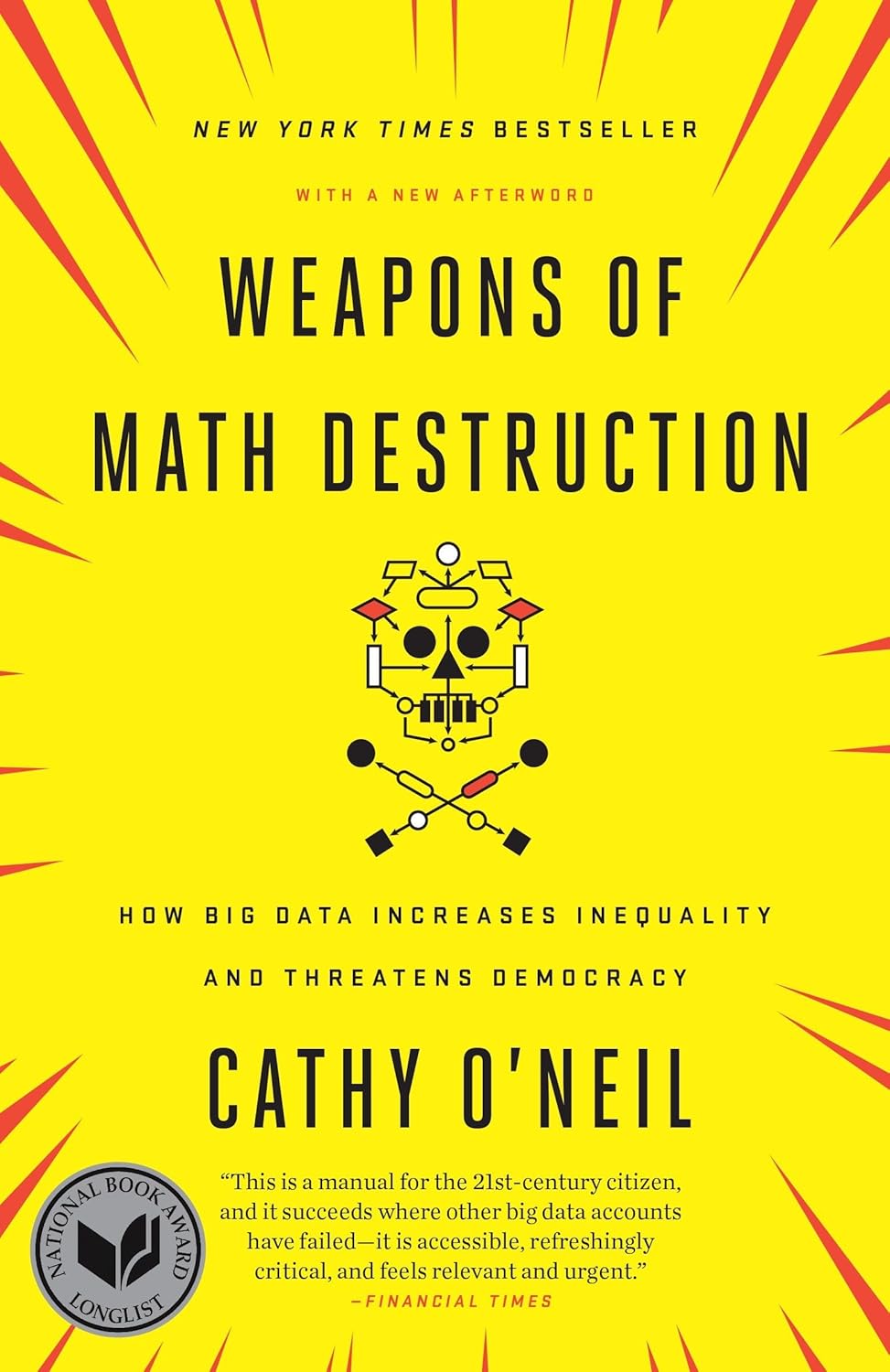
How opaque algorithms decide who gets credit, a job or parole — and why they tend to punish the same people.
As an Amazon Associate, Zendoric earns from qualifying purchases; the price does not change for you. · all our recommended books →
By Zendoric · July 31, 2026.
Bloomberg opens its 'AI Today' newsletter, written by journalist Josie Cox, this way: generative artificial intelligence divides society not only over what the technology is capable of doing, but over what future each person wants to live with it. The piece, available to subscribers only, illustrates the thesis with the testimony of Vanessa Walilko, an outspoken critic of AI companies' use of personal data, of their environmental footprint and of their effect on human creativity.
As Walilko herself tells Bloomberg, that stance creates real friction with those around her. A friend repeatedly forwarded her AI-generated videos of 'miniature cows', insisting they were real; she describes it as 'exasperating'. More delicate was the case of her cousin, who sent her an AI-animated photograph of their late grandparents: Walilko says she felt 'disgusted' at seeing the bodies of her dead relatives 'handled like puppets', and admits the episode has strained, in her words, their relationship.
Our read: the available material is the opening of a paid newsletter — Bloomberg reserves the full piece for subscribers — so what we have is a single case, not a study with aggregate data. But the case is revealing because it points to a short-term friction that is going to grow: the generative AI adoption gap is no longer only generational or economic, it is also moral and aesthetic, and it runs through the closest relationships. Forwarding a fake animal video or animating the image of a dead relative are trivial gestures for someone who has already normalized the tool, and invasive for someone who has not.
The episode of the animated photograph of the grandparents also touches a particular nerve: memory and grief. The technology for digitally 'reviving' the dead — animated photos, cloned voices, conversational avatars — is advancing faster than the social norms about when and how to use it, and that lag is exactly what Walilko describes. The problem is less the technical capability than the lack of consensus about its use, and here it can be seen in miniature, within a single family.
In the long run, this friction should ease as norms of use settle — as happened with digital photography or social media — and as transparency about what is and is not AI-generated reduces the element of deception that so bothered Walilko in the cow video. But Bloomberg's warning is honest and timely: before that collective maturity arrives, generative AI will keep opening small domestic cracks, and it is worth not underestimating them for seeming anecdotal.
📚 Go deeper
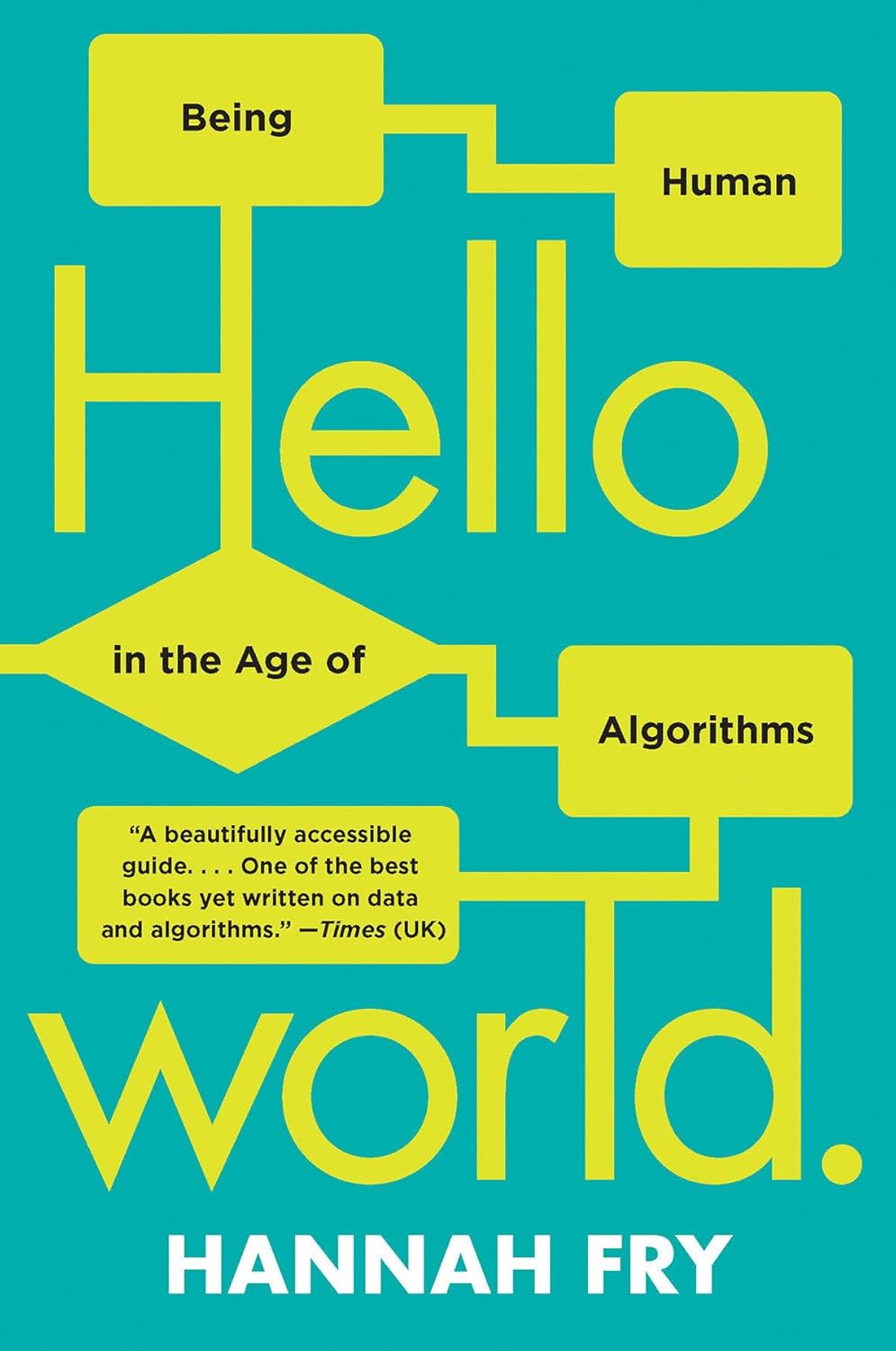
Algorithms in justice, medicine, cars and art, explained with British humor and mathematical honesty.
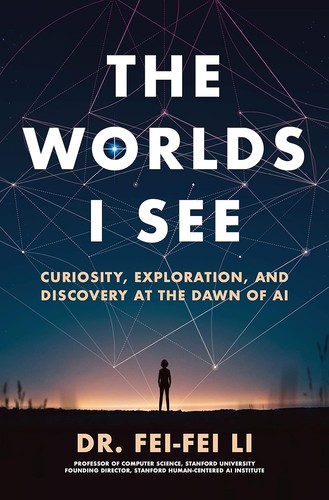
The memoir of the creator of ImageNet, the scientist who made the deep learning revolution in vision possible.
As an Amazon Associate, Zendoric earns from qualifying purchases; the price does not change for you. · all our recommended books →
🔗 Related on Zendoric
- Animated photos of dead relatives and fake videos: generative AI opens a new rift in personal relationships · 2026-08-31
- AI-generated fake doctors deceive older people in Brazil: the business of fearing illness · 2026-07-02
- AI abuse case shows the harm arriving now, not in some distant future · 2026-07-10