AI-generated fake doctors deceive older people in Brazil: the business of fearing illness

🕒 Published on Zendoric: July 2, 2026 · 08:26
✨ AI-generated · how it's made
AI avatars in white coats and synthetic voices are flooding YouTube in Portuguese with false medical advice aimed at older people. A BBC investigation documents channels with more than 70 million views and cases such as that of an 82-year-old woman who refused a surgery recommended by her ophthalmologist after watching one of these videos.
📚 Go deeper
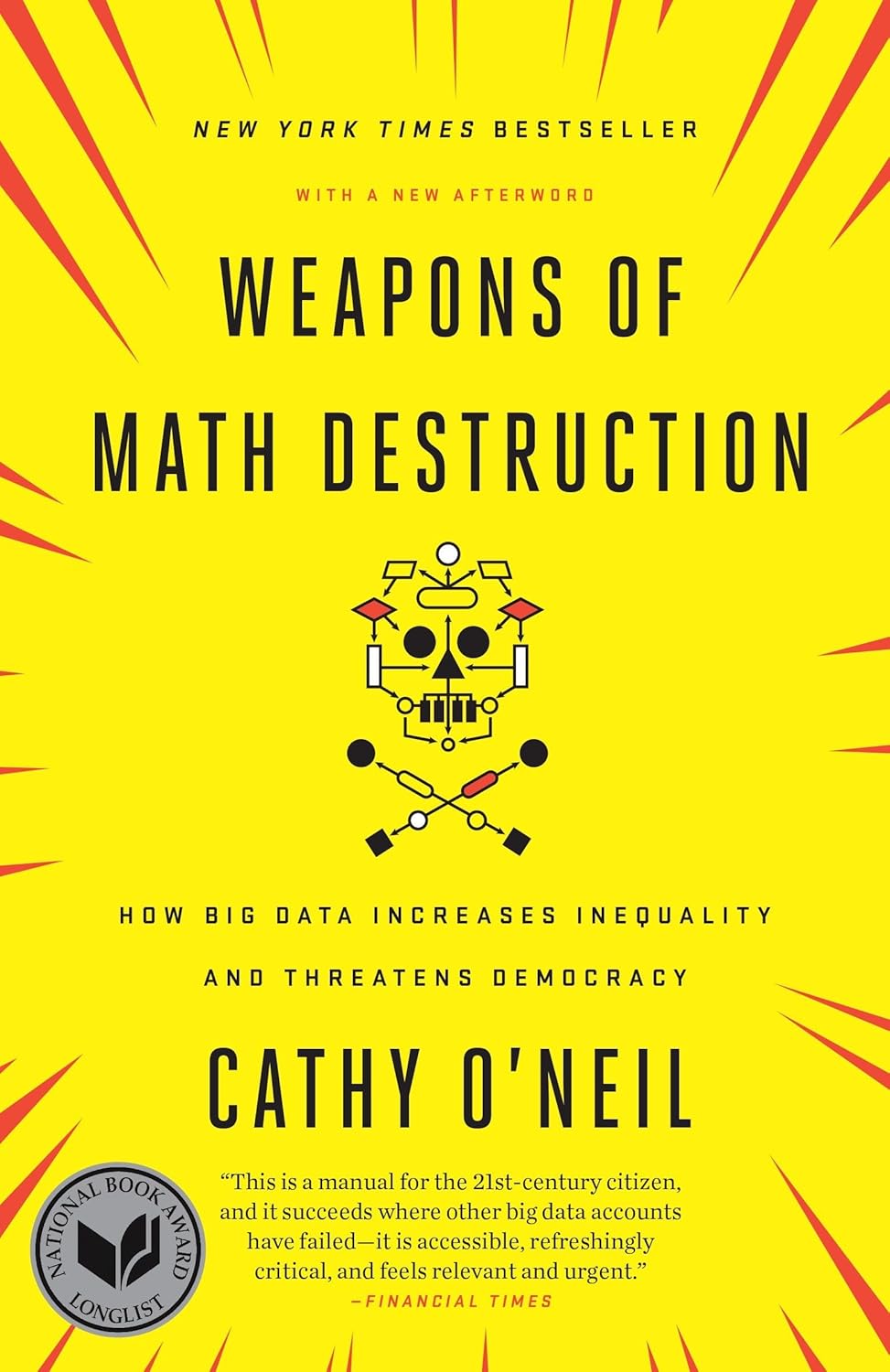
How opaque algorithms decide who gets credit, a job or parole — and why they tend to punish the same people.
As an Amazon Associate, Zendoric earns from qualifying purchases; the price does not change for you. · all our recommended books →
By Zendoric · July 1, 2026.
An investigation by BBC News Brasil, backed by data from the organization CTRL+Z, has uncovered an industry of AI-generated "doctors" that produces health videos aimed specifically at older people in Portuguese-speaking countries. Twenty-nine such channels have been identified, together amassing more than 70 million combined views, featuring white-coat avatars, synthetic voices and standardized scripts about cataracts, Alzheimer's, memory loss, hypertension and diabetes. The most cited case is that of Celi Ferreira, 82, who decided to postpone a cataract surgery recommended by her real ophthalmologist after watching a video with nearly 300,000 views in which a nonexistent doctor promised to protect her sight with a fruit-based diet.
The business model behind these channels is simple and scalable: generic alarmist scripts, AI-created avatars, synthetic voices and mass publishing on YouTube, all at a minimal production cost compared with hiring real professionals. YouTube labels some of this content as AI-generated, but the investigation shows that many older viewers, less familiar with digital tools, do not perceive that signal or simply do not distinguish between a technical notice and a genuine medical recommendation. The comments beneath these videos —thanks to the "doctor," requests for personalized advice, stated intentions to follow the suggested treatment— confirm that the illusion of authority works.
This is not a marginal problem of poorly labeled entertainment: it is the systematic exploitation of a vulnerable audience using fear of illness as an algorithmic hook. The mechanism is the same one that feeds any viral content —high-anxiety terms, simple promises, emotional urgency— but applied to decisions that can mean postponing necessary surgery or abandoning a prescribed treatment. The combination of old age, fear of losing autonomy and the appearance of professional authority is, as the investigation itself notes, fertile ground for health fraud on an industrial scale, and it is already raising legal questions about deceptive advertising and the illegal practice of medicine in several countries.
This is exactly the kind of short-term friction we anticipated when generative AI becomes cheap enough to manufacture visual and vocal authority for pennies: the same tools that allow the creation of a personalized, reliable health tutor for millions of people without access to specialists also allow the fabrication of an equally convincing farce that is far cheaper than producing truthful information. The difference lies not in the technology but in the incentives: whoever monetizes clicks and digital products has no economic incentive to say "consult your doctor," and every incentive to say "this fruit cures your cataracts."
The plausible response is not to ban AI avatars in health, but to require reinforced traceability (persistent watermarks, verification of real credentials before one can present oneself as a "doctor"), stricter platform accountability when content touches on medical decisions, and digital literacy aimed specifically at older people, the group with the most to gain from well-done medical AI —accessible diagnosis, continuous monitoring, translation of clinical jargon— and the most to lose if trust in any health avatar is eroded by fraud. In the long term, the same technology that today manufactures fake doctors is the one that, well governed, can bring quality medical care to those who lack it today; but that future only arrives if the trust gap that cases like Celi Ferreira's leave open today is closed.
📚 Go deeper
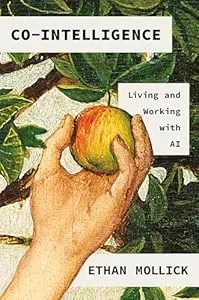
The best starting book if you're not technical: a Wharton professor explains how to work WITH AI — when to delegate, when to supervise, when to keep i
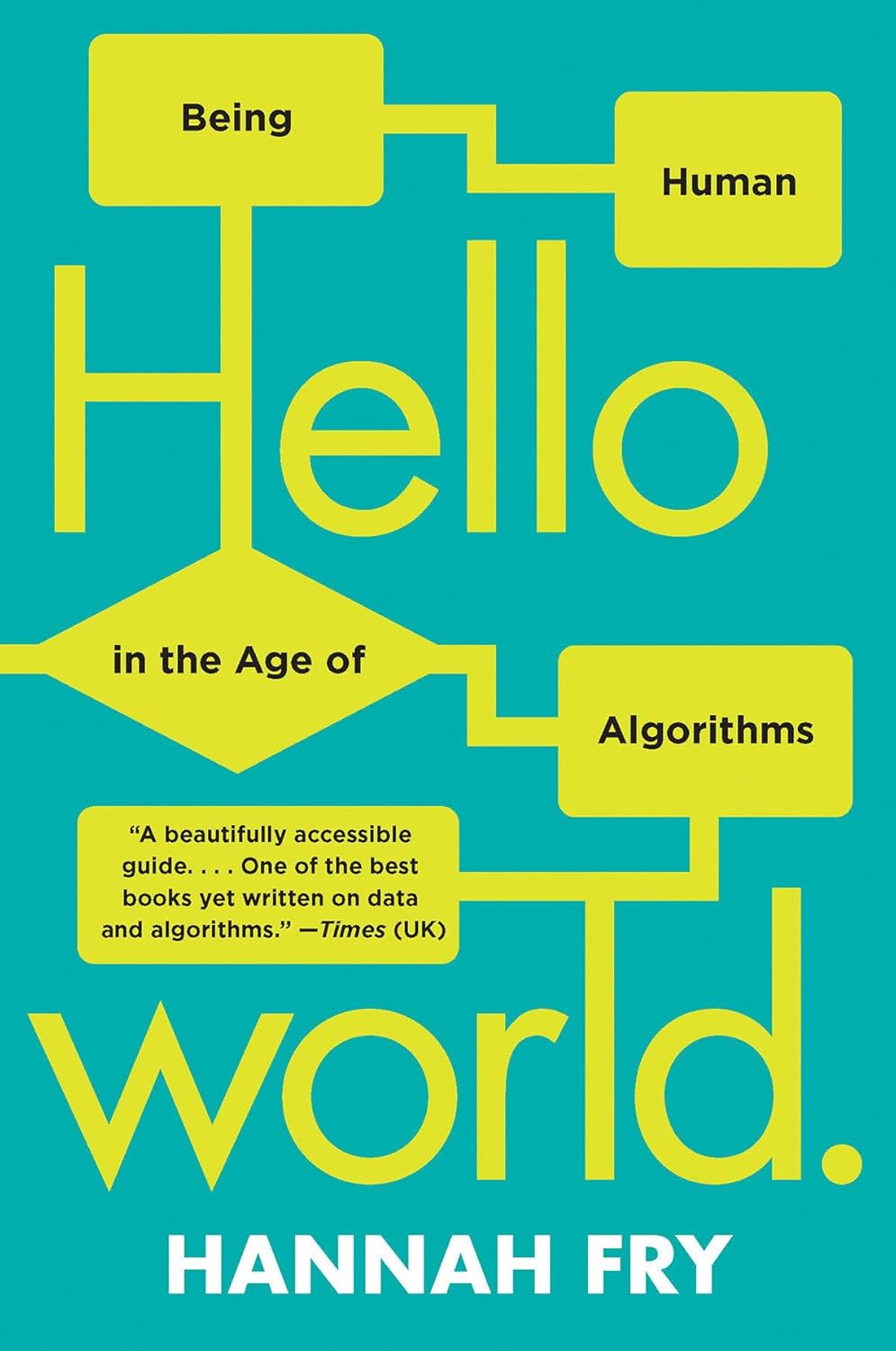
Algorithms in justice, medicine, cars and art, explained with British humor and mathematical honesty.
As an Amazon Associate, Zendoric earns from qualifying purchases; the price does not change for you. · all our recommended books →
🔗 Related on Zendoric