For the first time, most corporate IT runs outside companies' own facilities, according to Uptime Institute

🕒 Published on Zendoric: July 31, 2026 · 15:01
✨ AI-generated · how it's made
According to Uptime Institute's Global Data Center Survey 2026, conducted among more than 800 data center owners and operators (with more than half, 52%, concentrated in North America and Europe), 2026 marks a turning point: for the first time, corporate IT workloads are hosted in…
📚 Go deeper

The story of NVIDIA and Jensen Huang: how a video-game card company ended up making the most coveted resource on the planet.
As an Amazon Associate, Zendoric earns from qualifying purchases; the price does not change for you. · all our recommended books →
According to Uptime Institute's Global Data Center Survey 2026, conducted among more than 800 data center owners and operators (with more than half, 52%, concentrated in North America and Europe), 2026 marks a turning point: for the first time, corporate IT workloads hosted in third-party facilities (46%) exceed those residing in companies' own data centers (44%). The remaining 10% corresponds to organizations that still use IT rooms or server closets instead of dedicated facilities. Uptime projects that by 2028 the share of workloads in own data centers will remain stable, while the third-party share will grow to 48%, absorbing above all the space currently occupied by those more rudimentary IT rooms and closets.
The report also documents a sustained rise in power density per rack. Although headlines about AI infrastructure speak of racks of 120 kW or more, the reality at most data centers is far more modest: this year, the most common average density exceeds 11 kW for the first time, driven both by a gradual migration toward more powerful hardware and by a small group of very high-density facilities with racks above 30 kW. Excluding those extreme facilities, the real average stands at 7.8 kW, barely above the 7.5 kW of 2025. Even so, the share of respondents who say they have at least one rack of 30 kW or more has risen from 19% to 24% in a year, with the strongest growth in the ultra-high range above 50 kW, where some operators are already deploying AI and GPU servers in racks configured above 100 kW. Uptime warns that this trend will continue to climb as organizations refresh their hardware, since newer servers improve both load capacity and energy efficiency, but at the cost of higher total consumption.
One striking figure is that some operators are shortening their technology refresh cycles to less than four years, running counter to what hyperscalers such as Microsoft, Google and Meta have done: in recent years they have extended the useful life of their equipment to 6 or 7 years to reduce depreciation expenses.
On service outages, the report records improvements for the sixth consecutive year: the percentage of respondents who suffered an outage in the past three years fell by three percentage points. However, Uptime urges against letting the guard down, as several risk factors are on the rise: reduced or unstable power availability, the reliability of local electrical grids, supply chain constraints and extreme weather events. In addition, the economic cost of the incidents that do occur keeps growing, because organizations depend more and more on their digital infrastructure. 71% of respondents say their most expensive outage exceeded $100,000, compared with 57% the previous year.
The shortage of qualified staff remains a chronic problem for the sector. The largest skills gaps are in electrical roles (38%), junior-level operations (38%), operations management (35%) and mechanical roles (34%). More than half of operators (53%) report difficulties filling vacancies with qualified candidates, compared with 46% a year ago.
Finally, the report stresses that financial pressure and resource constraints continue to grow among operators: the high prices of energy, staff and equipment — especially those tied to AI infrastructure — are the main problem, together with the growing difficulty of forecasting the capacity needed, power availability and supply chain disruptions.
📚 Go deeper
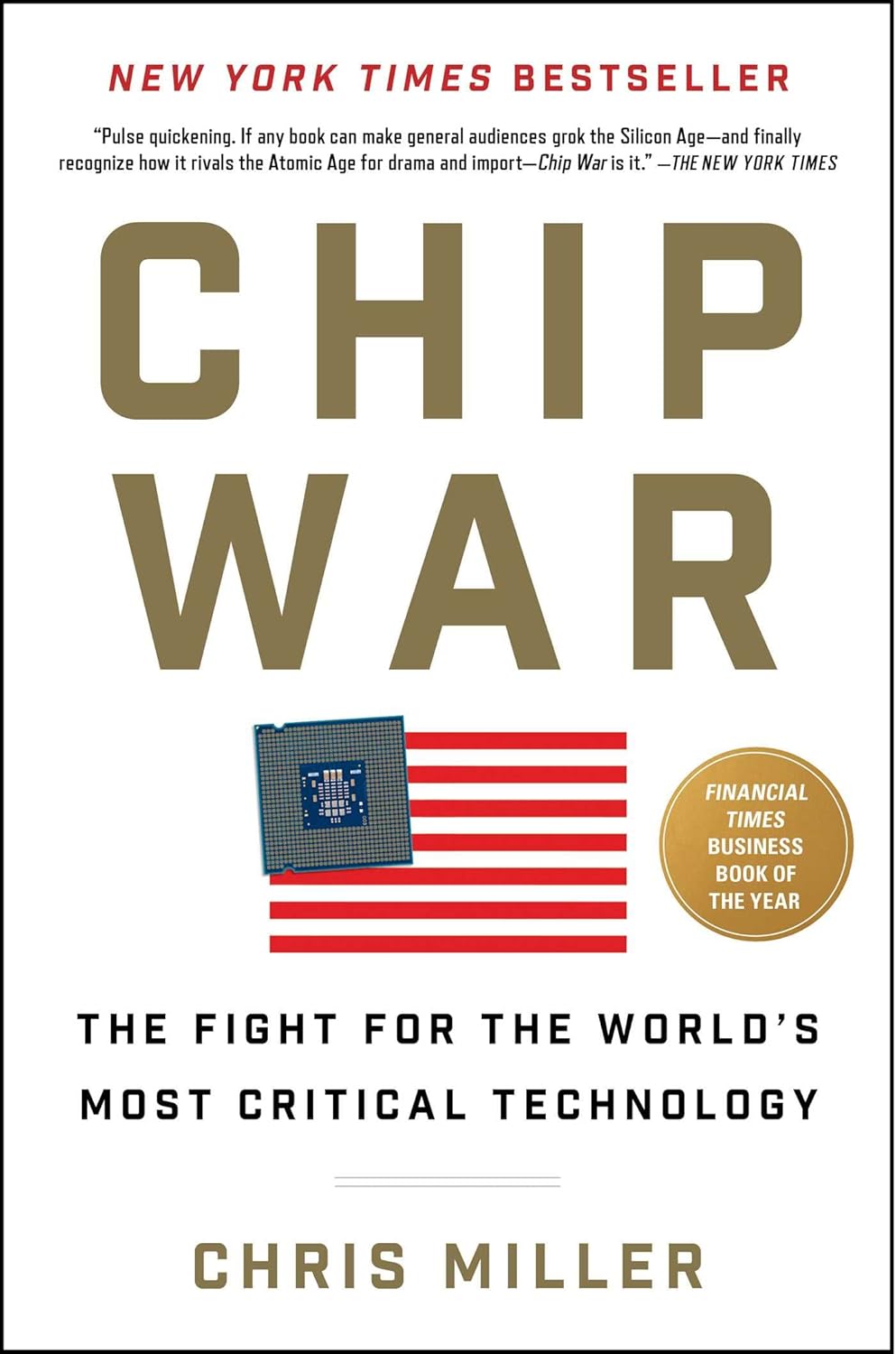
Semiconductors as the oil of the 21st century: history, espionage, and why an island of 23 million people underpins the entire AI economy.

The best starting book if you're not technical: a Wharton professor explains how to work WITH AI — when to delegate, when to supervise, when to keep i
As an Amazon Associate, Zendoric earns from qualifying purchases; the price does not change for you. · all our recommended books →
🔗 Related on Zendoric
- For the first time, most corporate IT runs outside companies' own facilities, according to Uptime Institute · 2026-08-31
- A lawsuit over being denied a frontier AI model marks a turning point: access as a stake worth fighting for · 2026-06-25
- First preventive brake on a frontier model: why the GPT-5.6 case marks a before and after · 2026-06-27