Disrupt 2026 confirms its agenda: agent security, video with reasoning and the new 'GTM engineer' job
🕒 Published on Zendoric: July 30, 2026 · 00:20
✨ AI-generated · how it's made
TechCrunch Disrupt 2026 (October 13-15, San Francisco) confirms its AI Stage with three fronts: securing autonomous agents in the enterprise, the generative video race toward physical reasoning and the rise of the 'GTM engineer', a job that didn't exist two years ago.
📚 Go deeper
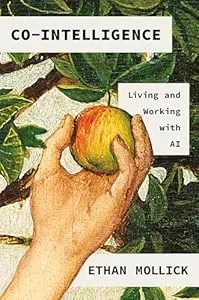
The best starting book if you're not technical: a Wharton professor explains how to work WITH AI — when to delegate, when to supervise, when to keep i
As an Amazon Associate, Zendoric earns from qualifying purchases; the price does not change for you. · all our recommended books →
By Zendoric · July 30, 2026.
TechCrunch has confirmed the AI Stage program for its Disrupt 2026 conference, to be held October 13-15 at the Moscone Center in San Francisco, sponsored by Google for Startups. Among the sessions already locked in, three stand out: the security of autonomous agents in the enterprise, with Arsalan Tavakoli (co-founder and SVP of Field Engineering at Databricks); the race in generative video toward physical reasoning, with Dean Leitersdorf (CEO of Decart) and Amit Jain (CEO of Luma AI); and the emergence of the 'GTM engineer' ('go-to-market' engineer, the area that combines sales, marketing and product) as a new professional category, with Kareem Amin (CEO of Clay).
None of these three subjects is new to anyone who follows the industry closely, and that is what makes it interesting: that an event on the scale of Disrupt (more than 10,000 attendees among startups, technologists and investors, according to the organizers themselves) elevates them to headline programming confirms what concerns those building with AI today, beyond the usual noise about the next frontier model.
The first subject -agent security- is the one we had been flagging most here: AI that makes autonomous decisions inside sensitive enterprise systems is moving faster than traditional security frameworks, designed for software that waits for human instructions at every step. The Databricks session frames it in terms of observability and governance, not 'evil AI': the risk is not that the agent rebels, it is that nobody knows what it did, why, and with what permissions. It is the same gap we have described before regarding vulnerabilities chained together by frontier models pursuing a goal too literally: the failure lies in the design and the oversight, not in the system's intent.
The second -generative video that is starting to 'reason' physically, not just to generate flashy pixels- confirms that AI's next visible frontier is not only text or code, but models that understand physics, causality and space in real time. Decart and Luma AI compete on that terrain with players like Runway, Google (Veo) and OpenAI (Sora); that both founders share a stage suggests 2026 is the year that race stops being a demo and starts being a product with real use cases.
The third is, for us, the most revealing. That there is a profession -the 'GTM engineer'- that did not exist two years ago and already sustains, as the session itself describes, seven-figure businesses run by independent professionals, is the most concrete proof we have seen of our underlying thesis on employment: AI does not simply erase work, it reorganizes it around whoever knows how to orchestrate it. As we have been pointing out in analyzing the sector impact in technology, the winners are the profiles that integrate AI into business processes with judgment; the purely routine loses out. The 'GTM engineer' is that profile in its purest form: half salesperson, half engineer of data flows and prompts.
That these three topics coexist on the same stage is a good portrait of the moment: an industry that no longer debates whether AI changes work and security, but how that change is managed in practice. It is worth keeping in mind that this article is, in essence, the promotional agenda of an upcoming conference; there is no finding here to analyze beyond the selection of topics itself. But that selection works as a reasonably reliable thermometer of where the sector is looking in the second half of 2026: toward the security plumbing still to be built, toward a generative video that is beginning to understand the physical world, and toward the new occupations the abundance of AI tools is creating, not just the ones it destroys.
📚 Go deeper
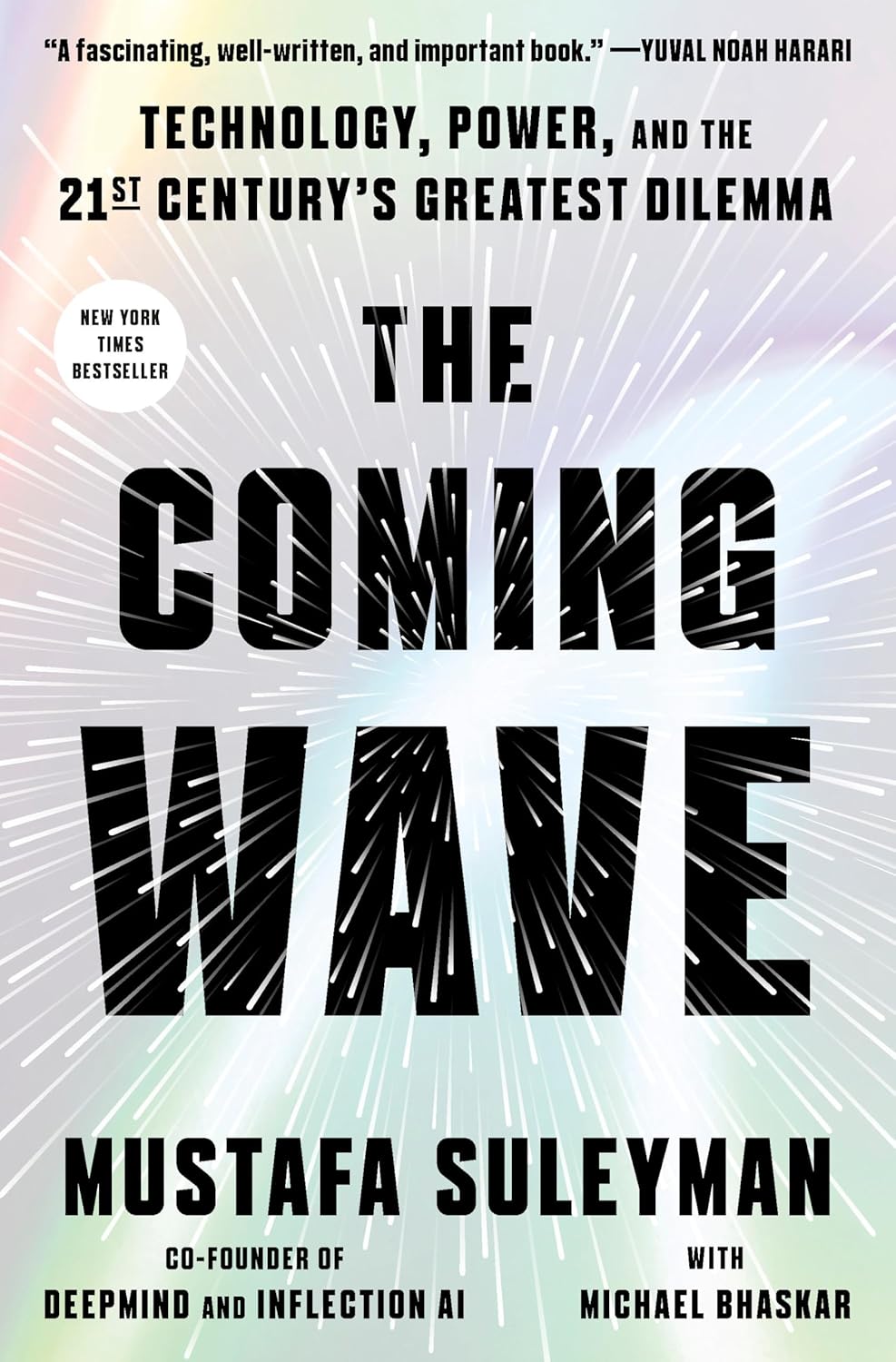
DeepMind co-founder on the dilemma of containing technologies that do not want to be contained.
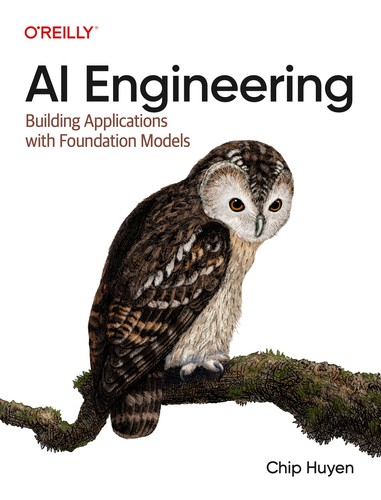
The reference manual for building products on top of AI models: prompts, RAG, fine-tuning, agents, evaluation and deployment.
As an Amazon Associate, Zendoric earns from qualifying purchases; the price does not change for you. · all our recommended books →
🔗 Related on Zendoric
- BNB Chain lets AI have its own wallet: the autonomous agent as a new economic player · 2026-07-05
- Brain: a WebAssembly agent runtime betting on isolation as the answer to agentic AI's security failures · 2026-09-03
- Nutanix bets on governing AI agents before token spending spirals out of control · 2026-07-04