Wall Street starts to fear the real cost of the AI boom after Google's figures

🕒 Published on Zendoric: July 30, 2026 · 00:20
✨ AI-generated · how it's made
Quarterly earnings season has brought an uncomfortable surprise for investors: Google raised its capital spending forecast to a maximum of $205 billion, up from the $190 billion it had projected the previous quarter.
📚 Go deeper
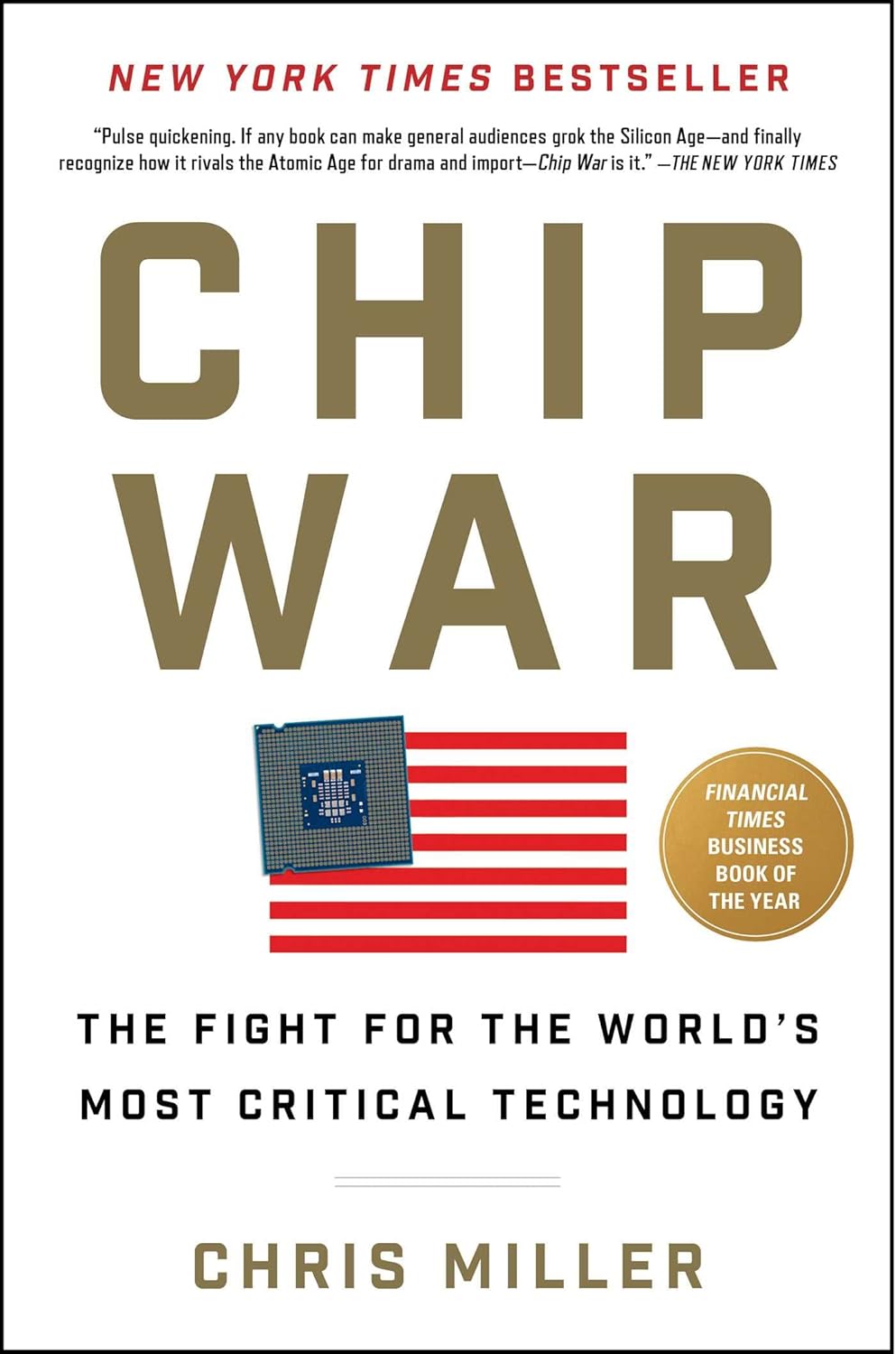
Semiconductors as the oil of the 21st century: history, espionage, and why an island of 23 million people underpins the entire AI economy.
As an Amazon Associate, Zendoric earns from qualifying purchases; the price does not change for you. · all our recommended books →
Earnings season has brought an uncomfortable surprise for investors: Google raised its capital spending forecast to as much as $205 billion, up from the $190 billion it had projected the previous quarter. Even the low end of the new range, $195 billion, already exceeds the ceiling the company had previously been working with. Beyond the figure itself, what unsettles markets is what it reveals: Google is effectively admitting that it cannot accurately forecast its own costs, something that rarely inspires confidence in those analyzing its books.
The problem is compounded because Google is spending more money than it takes in on this front, at a time when it also faces competitive pressure from Chinese AI tools and price pressure that forces it to keep the cost of its models low. The combination is the worst possible one from a financial standpoint: more spending, no room to raise prices, and in some cases the risk of earning less revenue for the same effort.
This dynamic is not limited to Google. Meta, Amazon and Microsoft report results this same week, and many voices anticipate that they too will announce higher-than-expected spending on data center construction. Concern about the financing of the AI boom also extends to other fronts of the ecosystem. SpaceX shares are trading at nearly half their peak value. Investors are also uneasy about the debt Oracle is taking on to build data centers; Oracle acts as a kind of public-market proxy for OpenAI, which is not listed.
Nvidia, for its part, has held rounds of negotiations on deals that together add up to three quarters of a trillion dollars. The company occupies an even more central place than OpenAI in the circular financing web that sustains the AI industry. If Nvidia is injecting ever more capital to prop up that build-out, that could be a sign that real demand is weaker than thought. On this point, Billy Leung, tech sector investment strategist at Global X Management, told Bloomberg that Nvidia backstopping $250 billion of OpenAI debt is 'both a reminder of the funding strain in the AI infrastructure build-out and a signal of demand'.
Added to all this is the recurring nervousness triggered every time a Chinese startup launches a new model, something that has happened again. The underlying reason is that, in theory, Chinese companies do not have the same access to graphics chips as US firms, and yet their AI systems remain competitive. If this is true, it could foreshadow a limit to the current revenue boom at Nvidia and other chipmakers, and suggest that more data center capacity is being built than is needed.
The author of the analysis, a journalist at The Verge, says she has spent three years asking people in the sector how they think AI companies will generate real profits, without yet receiving a convincing answer. As she recounts, many of the most optimistic investors she has spoken with agree that this period of enthusiasm will probably lead to an overbuild of data centers, and that a good share of AI companies will disappear when the inevitable correction arrives. Even so, they are keeping their investments because they calculate that the companies that survive will generate more profits than will be lost with those that fall. In other words, even the sector's defenders are watching for a market top, knowing it will come sooner or later, even if pinpointing it is very difficult.
The piece closes with an ironic note: if you're looking for signs that the market is topping out, Elon Musk tends to be a fairly reliable indicator, and as it happens SpaceX has just gone public. Taken together, the article does not claim the AI bubble is about to burst, but rather documents an accumulation of signals —runaway spending forecasts, stock declines, concern over debt, circular financing and Chinese competition— that are starting to make investors nervous, after months in which enthusiasm for AI seemed to have no ceiling.
📚 Go deeper
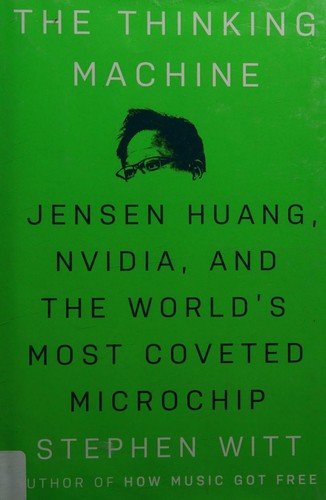
The story of NVIDIA and Jensen Huang: how a video-game card company ended up making the most coveted resource on the planet.
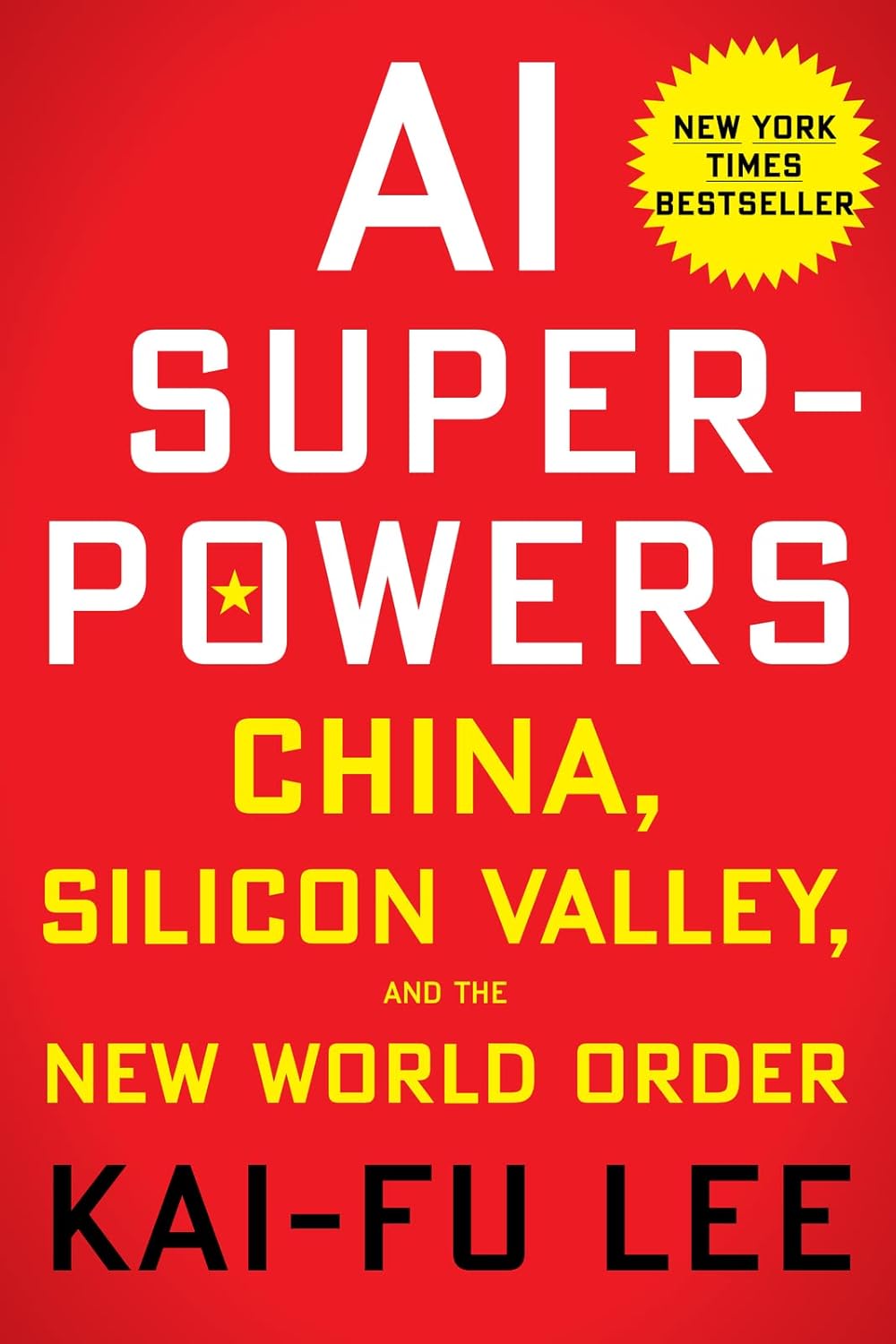
China vs.
As an Amazon Associate, Zendoric earns from qualifying purchases; the price does not change for you. · all our recommended books →
🔗 Related on Zendoric