The FCC just made Chinese humanoid robots a national-security category, and inverters came with them
🕒 Published on Zendoric: July 29, 2026 · 00:34
✨ AI-generated · how it's made
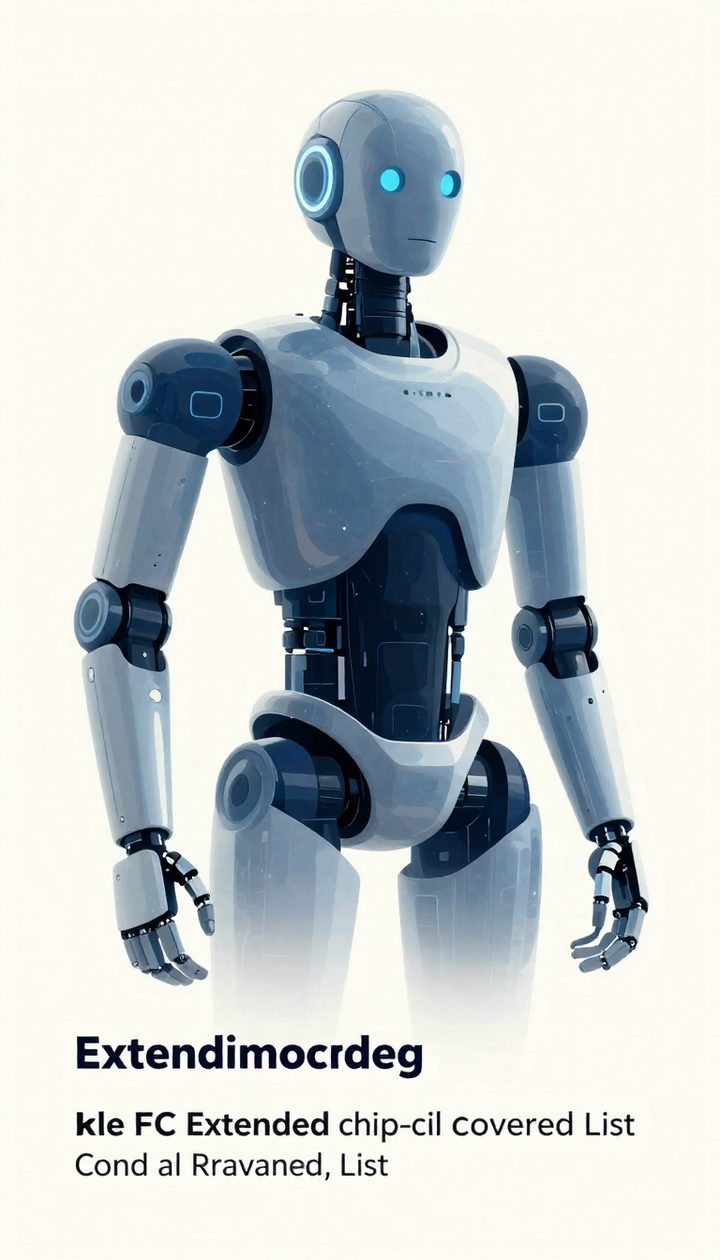
The Federal Communications Commission added "advanced robotic devices" — mobile robots including humanoids and quadrupeds — plus connected foreign-made power inverters to its Covered List, blocking new authorizations for Chinese models. Unitree is among the makers exposed, and the quieter half of the ruling targets the grid hardware feeding data centers.
📚 Go deeper
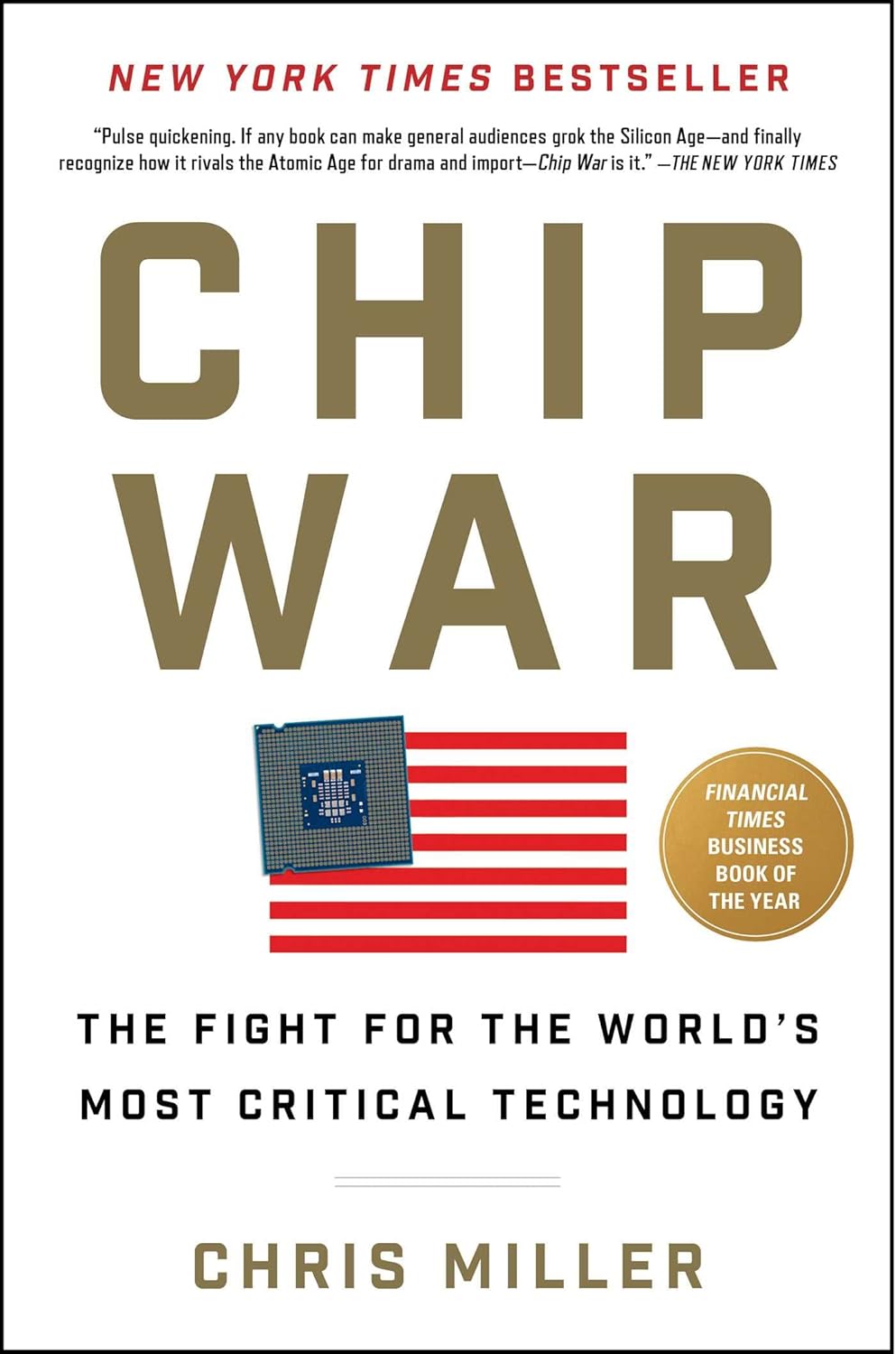
Semiconductors as the oil of the 21st century: history, espionage, and why an island of 23 million people underpins the entire AI economy.
As an Amazon Associate, Zendoric earns from qualifying purchases; the price does not change for you. · all our recommended books →
The United States has moved to restrict Chinese-made humanoid robots. According to a Federal Communications Commission fact sheet posted July 28, 2026, and reporting via Reuters, the agency updated its Covered List to include two new categories: "advanced robotic devices," defined as mobile robots such as humanoids and quadrupeds, and, separately, connected power inverters produced in foreign countries. The practical effect is that new Chinese models will not receive authorization to enter the US market.
The scope is narrower than the headlines suggest. This is not a recall. The measure targets new models that have not yet been cleared for sale; already-authorized equipment can keep operating, though authorities retain the ability to review existing permits. Unitree, the Chinese manufacturer whose quadrupeds and humanoids have found their way into research centers worldwide, is among the companies most exposed.
The stated rationale is espionage, data theft and risk to critical systems. US authorities argue that AI-equipped humanoids can gather information from their surroundings, communicate with other systems and act autonomously — which makes their origin and behavior worth controlling. The concern is not exotic. A humanoid robot is a mobile sensor platform: cameras, microphones, spatial mapping and network access, walking through a factory floor, a hospital corridor or a research lab. Every argument once made about network equipment applies with more force to a device that can move and look around.
The less-discussed half of the ruling may be the more consequential one. Connected power inverters link renewable generation and battery storage to electrical grids and data centers. That is the physical substrate of the AI buildout itself — the layer that determines whether a training cluster gets its megawatts. Adding inverters to the Covered List extends the logic of telecom restrictions into energy infrastructure, and it signals that Washington now treats the AI supply chain as running from grid hardware through silicon to embodied systems, not just through chips.
There is a cost, and it should be stated plainly. Chinese robots are used in American universities and research centers largely because they are cheap. Unitree's price points made legged robotics an experiment an ordinary lab could afford rather than a defense-budget line item. Restrict supply without a domestic substitute at comparable cost, and the near-term result is fewer robots in fewer labs and slower iteration in exactly the field the policy means to protect. The Mexican outlet reporting this notes the US aim of avoiding the dependence it experienced in other strategic sectors, which is a coherent goal — but dependence is unwound by building, not only by blocking. This is also consistent with a pattern we have tracked: export and import controls tend to accelerate Chinese domestic capability rather than freeze it, while raising costs on the restricting side first.
Our read: the security concern is legitimate and the instrument is blunt. A covered list screens by flag of origin, not by observable behavior — which means a compromised device from an allied supplier passes and a well-engineered one from the wrong country does not. The durable version of this policy is technical rather than geographic: mandatory disclosure of data egress, auditable firmware, certified offline operating modes, and independent testing any vendor can submit to regardless of nationality. That approach raises the floor for everyone instead of drawing a border through a technology stack.
The longer horizon is worth holding onto while the security frame hardens. Embodied AI is not primarily a surveillance story. It is the most plausible route to relieving the labor shortages that aging societies are walking into — elder care, logistics, construction, the physically punishing jobs nobody is queuing up for. If robotics becomes defined mainly as a threat vector, that framing will shape a decade of procurement rules and public perception. The task is to govern the sensor without foreclosing the caregiver, and a list of banned countries does not, by itself, do that work.
📚 Go deeper
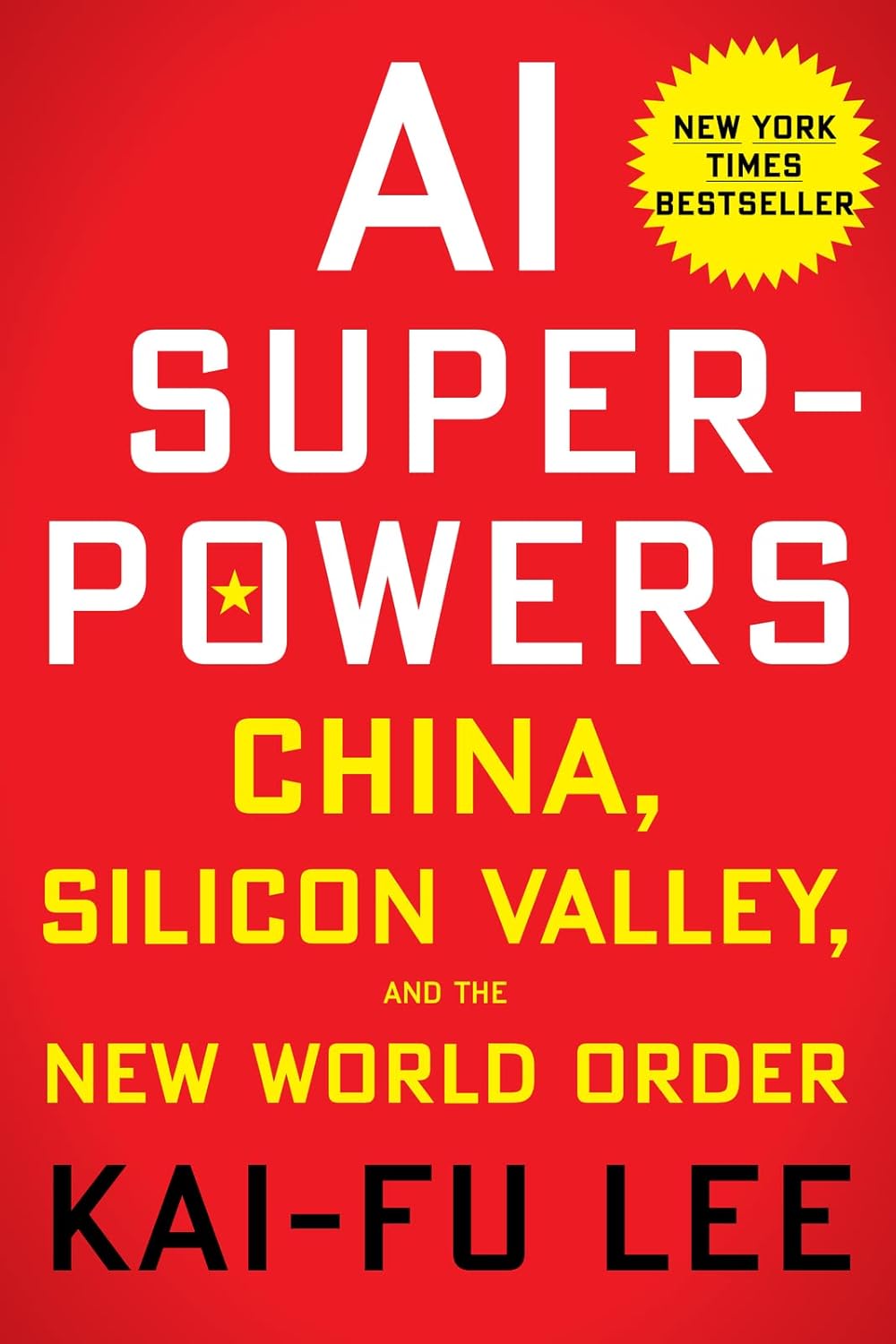
China vs.
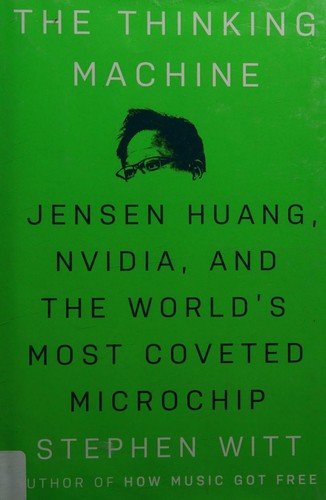
The story of NVIDIA and Jensen Huang: how a video-game card company ended up making the most coveted resource on the planet.
As an Amazon Associate, Zendoric earns from qualifying purchases; the price does not change for you. · all our recommended books →
🔗 Related on Zendoric
- The U.S. expands its ban on importing Chinese technology: the FCC extends the veto to older models from Huawei, ZTE, Hikvision and more · 2026-06-30
- Beijing weighs restricting foreign access to its most advanced AI models · 2026-07-09
- Anthropic, both accuser and accused: the complaint against Alibaba lands amid a regulatory storm · 2026-06-26