Visa is cutting 2,600 jobs, and the twist is that product and engineering take the hit
🕒 Published on Zendoric: July 29, 2026 · 00:34
✨ AI-generated · how it's made
Visa confirmed layoffs of roughly 2,600 people — about 7% of its 34,000-strong workforce — with CEO Ryan McInerney's memo pointing the cuts primarily at product and technology teams. The savings go toward stablecoins and money-movement bets, which makes this less an AI cost story than a reallocation story.
📚 Go deeper

The best starting book if you're not technical: a Wharton professor explains how to work WITH AI — when to delegate, when to supervise, when to keep i
As an Amazon Associate, Zendoric earns from qualifying purchases; the price does not change for you. · all our recommended books →
Visa is laying off about 2,600 employees, roughly 7% of its approximately 34,000-person workforce, the company confirmed to Fast Company after Bloomberg first reported the plan. The cuts were disclosed internally through a memo from CEO Ryan McInerney, whose accuracy Visa also confirmed. In it, McInerney said the reductions would primarily affect product and technology teams, and framed the decision around "driving efficiency across the company in order to reinvest in our highest potential opportunities."
The reinvestment targets are named: commercial and money-movement solutions, consumer payments, and value-added services including stablecoins, per Bloomberg. Fast Company's framing is that the memo points toward AI acceleration and a focus on AI-driven efficiency gains, against a payments landscape being disrupted by smaller, nimbler fintech startups. Worth being precise about attribution here: McInerney's quoted language is about efficiency and reinvestment, not a claim that software replaced 2,600 specific people. The AI read is the interpretation layered on top — plausible, but interpretation.
The genuinely interesting detail is where the axe falls. The dominant narrative about AI and jobs — one we have argued ourselves across a nine-sector series — is that back-office and administrative work is the most exposed, while judgment, relationships and physical presence hold up. In banking and payments specifically, we expected fewer branches and fewer administrative hands. Visa cut product and technology instead. The builders.
That deserves a rethink rather than a shrug. Two readings fit the facts. The first is capability: if AI coding tools genuinely raise output per engineer — and Anthropic and others are publishing usage numbers consistent with that — then a company can hold roadmap velocity while shrinking headcount, and the cut lands on the function where the productivity gain is largest. Software engineering was, ironically, the first white-collar discipline to get a genuinely good AI tool, so it is also the first to be repriced. The second reading is strategy: 2,600 people is what you cut when you are moving money from defending an interchange business to funding a stablecoin business, and "efficiency" is the memo word for reallocation. These are not mutually exclusive, and the stablecoin line suggests both are operating.
Context matters for the scale. Seven percent is a serious cut but not a structural collapse; Visa remains a roughly 31,000-person company processing a large share of global card volume. What makes it notable is the sector. Payments is not a legacy industry being disrupted from outside — it is an infrastructure business with pricing power, and pricing power is exactly what stablecoins threaten by making settlement a commodity. Visa is spending its own people to buy a position in the thing that could undercut it.
Our read: watch the money, not the memo. The useful question is not whether AI "caused" these layoffs — a question no press release will ever answer honestly — but whether the reinvestment creates work of comparable quality. If the savings fund stablecoin infrastructure and money-movement products, some of those roles come back with different titles, and the net effect on the profession is churn rather than contraction. If they fund margin, it is contraction with a technology alibi.
We would also flag a pattern worth resisting. "AI-driven efficiency" is becoming a socially acceptable framing for ordinary restructuring, because it reads to investors as forward-looking rather than defensive. Analysts and journalists should demand the evidence: which workflows were automated, what the measured productivity delta was, and whether headcount fell faster than output. Absent that, the honest description of this week's news is a payments giant reallocating capital under competitive pressure, with AI as both a real tool and a convenient narrative. The people affected experience the same thing either way — which is why the transition, not the destination, is where policy attention belongs.
📚 Go deeper

The reference manual for building products on top of AI models: prompts, RAG, fine-tuning, agents, evaluation and deployment.
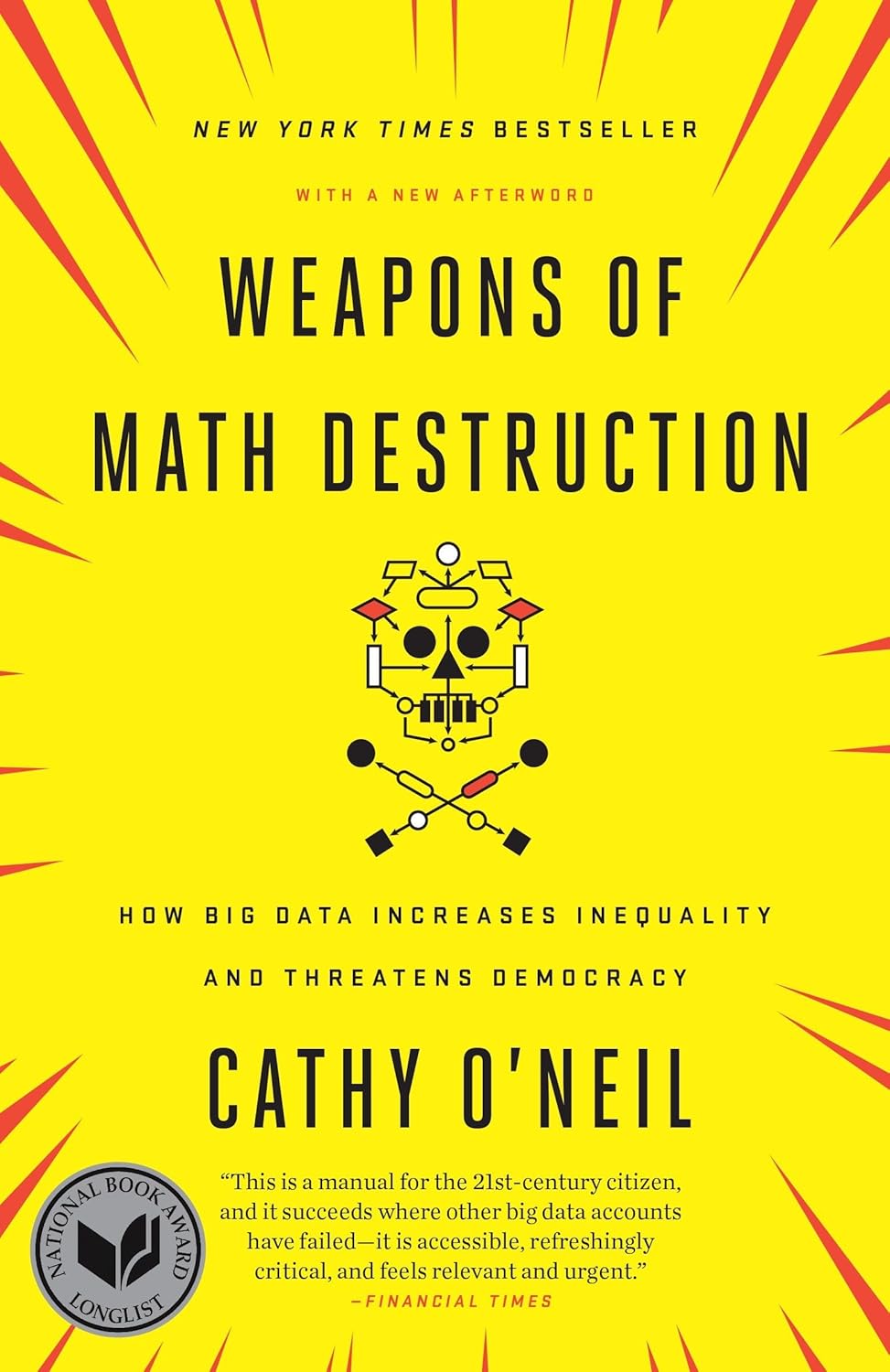
How opaque algorithms decide who gets credit, a job or parole — and why they tend to punish the same people.
As an Amazon Associate, Zendoric earns from qualifying purchases; the price does not change for you. · all our recommended books →
🔗 Related on Zendoric
- Visa cuts 2,600 jobs — and it is product and engineering teams, not the back office, taking the hit · 2026-07-30
- Visa cuts 2,600 jobs from product and tech — the tell isn't the AI framing, it's where the money is going · 2026-09-01
- Visa cuts 2,600 jobs to fund stablecoins — the AI layoff story is reallocation, not simple replacement · 2026-09-02