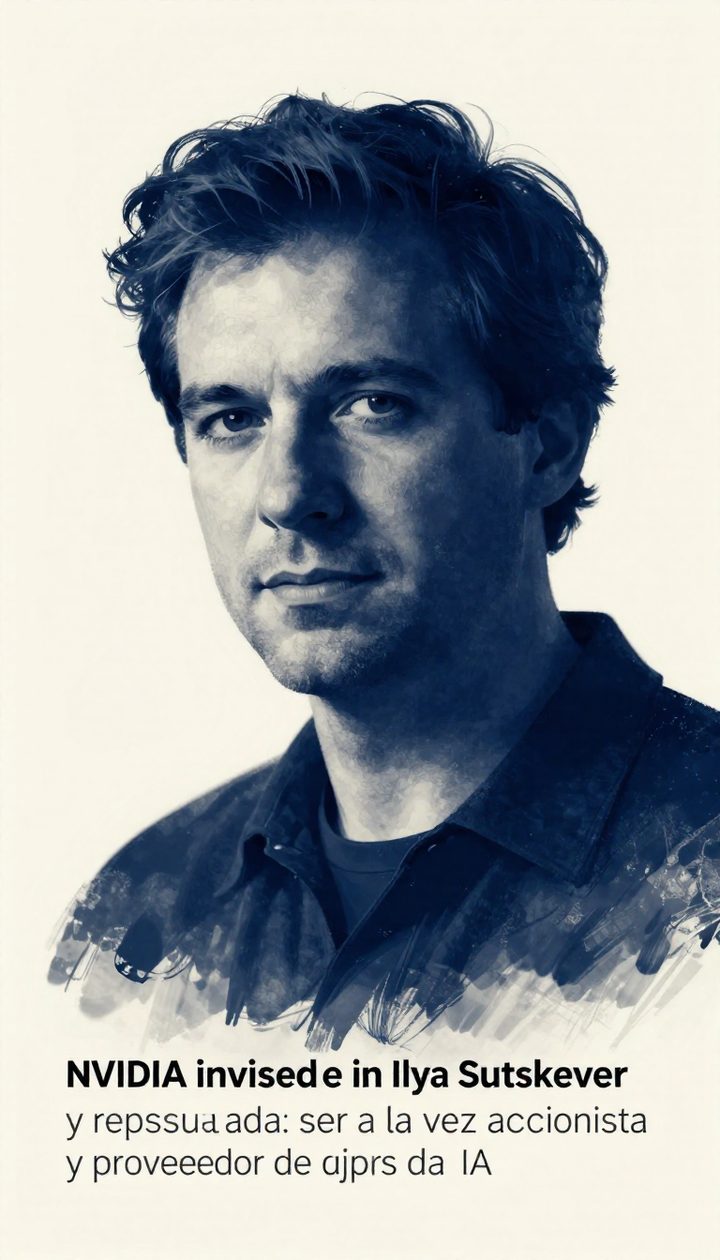
Nvidia invests in Ilya Sutskever and repeats its play: both shareholder and chip supplier to AI
🕒 Published on Zendoric: July 28, 2026 · 00:38
✨ AI-generated · how it's made
Nvidia has taken a stake in Safe Superintelligence, Ilya Sutskever's lab that still has no commercial product, and is giving it access to its next-generation Vera Rubin chips, multiplying its compute tenfold. It is yet another move from the same playbook: invest in the labs that then buy its chips.
📚 Go deeper
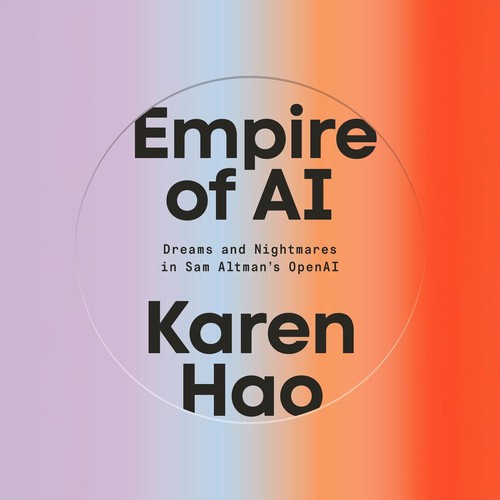
The definitive piece of investigative journalism on OpenAI: 260+ interviews, the clash between safety and speed, and the attempted firing of Sam Altma
As an Amazon Associate, Zendoric earns from qualifying purchases; the price does not change for you. · all our recommended books →
By Zendoric · July 28, 2026.
Nvidia has signed a long-term partnership with Safe Superintelligence (SSI), the lab Ilya Sutskever founded after leaving OpenAI in 2024, and has made a parallel investment — of undisclosed size — in the company. As TradingView reports, the deal gives SSI access to the Vera Rubin GPU platform, Nvidia's next generation of chips, which will multiply the lab's available compute by an order of magnitude (roughly tenfold). In return, SSI will contribute research to Nvidia's current and future AI systems.
The detail worth noting is the counterparty's profile. SSI sells nothing: it has no commercial product, and its stated mission since its founding is to develop superintelligence with safety at its core, not to launch a chatbot or a paid API. Even so, in April 2025 the company closed a $2 billion round at a $32 billion valuation, a figure that only holds up if the market believes that Sutskever's research — he is one of the scientists who designed much of the theory behind today's large models — is worth that money before it bills a single euro.
What matters for the sector is less this isolated deal than the pattern it confirms. Nvidia has spent more than a year investing in the labs that buy the most chips from it — OpenAI and xAI are the most visible examples — and now adds Sutskever to that portfolio. It is a hedging strategy: if SSI, OpenAI, xAI or anyone else ends up leading the race to superintelligence, Nvidia already holds an equity position, on top of being the one selling it the hardware. The risk, already flagged by industry analysts, is that part of that revenue looks like circular financing: the company doing the investing is also the one collecting the invoice, which inflates both sides' numbers without making clear how much real demand lies behind them.
The article itself notes a piece of context worth keeping in view: AMD recently closed a similar deal with Anthropic. If Nvidia is using its capital to tie itself to the labs that could win the race, AMD is trying to use the same tool to break Nvidia's near-monopoly in AI chips. In both cases, the result is that the infrastructure provider stops being a mere vendor and becomes a shareholder in its own customers.
Our take: in the short term this concentrates even further the power to decide where AI goes in a handful of companies — two chipmakers and a small group of labs — and it deserves the same scrutiny as any other deal that mixes supplier and investor. But the heart of the matter is not only financial. Multiplying tenfold the compute of a lab explicitly focused on safety rather than fast monetization is consistent with the thesis that computing power will remain, for years, the scarce resource that determines who gets first to more capable models and, with them, to applications such as drug discovery or biomedical research. If that compute is deployed with the safety discipline SSI says it pursues, Nvidia's bet on Sutskever fits better on the road to abundance than on the road to a speculative bubble. The difference between the two scenarios will be settled by the research results SSI publishes, not by the size of the check.
📚 Go deeper
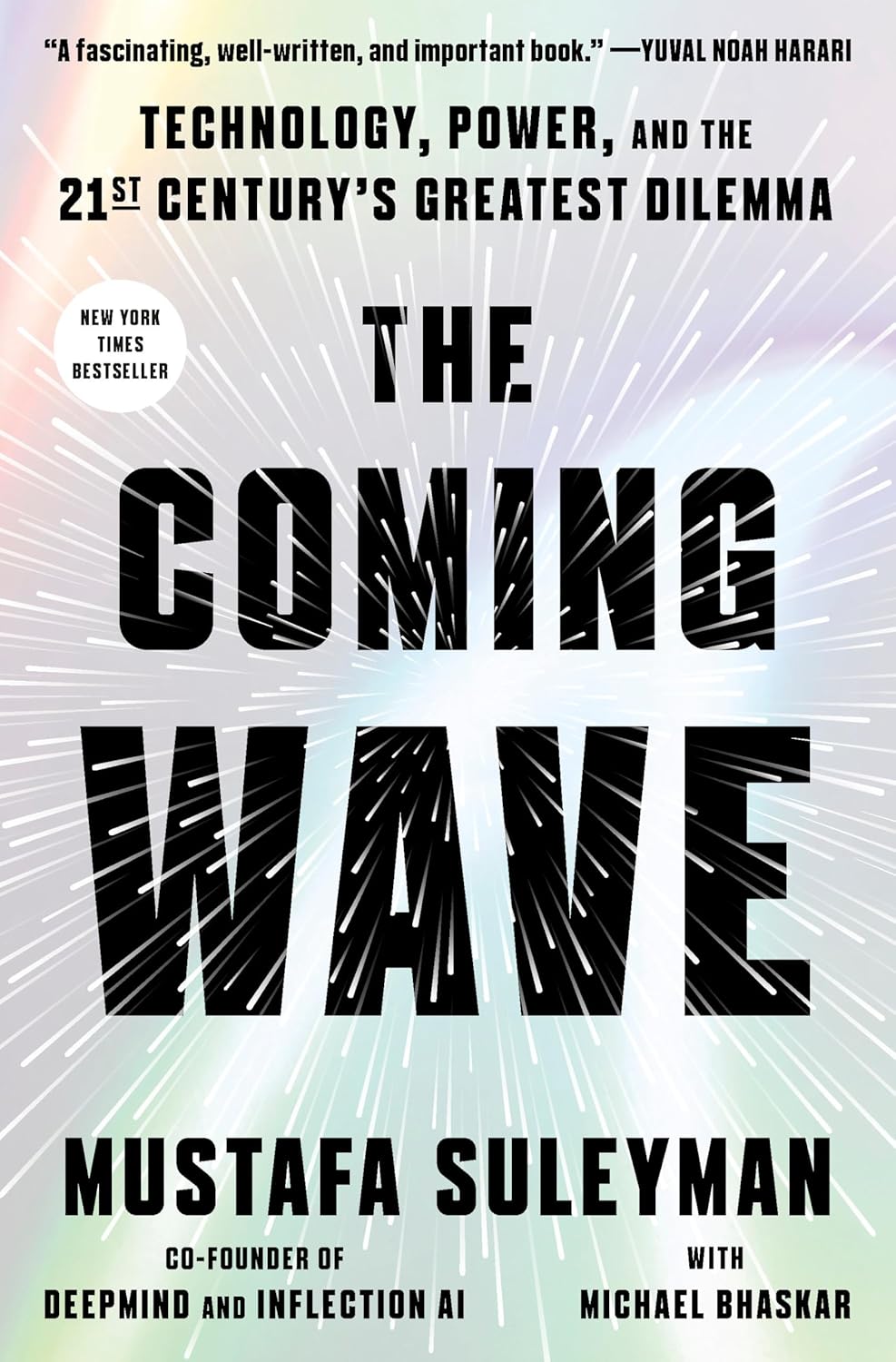
DeepMind co-founder on the dilemma of containing technologies that do not want to be contained.
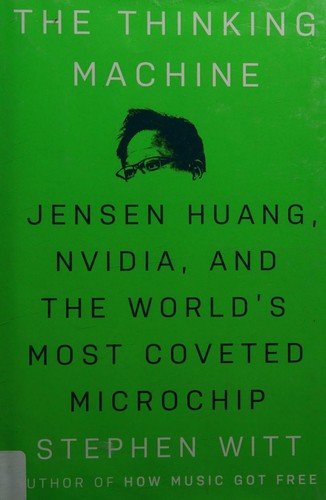
The story of NVIDIA and Jensen Huang: how a video-game card company ended up making the most coveted resource on the planet.
As an Amazon Associate, Zendoric earns from qualifying purchases; the price does not change for you. · all our recommended books →
🔗 Related on Zendoric
- Ilya Sutskever's Safe Superintelligence Inc. and NVIDIA Announce Long-Term Strategic Partnership · 2026-07-29
- Anthropic seeks its own chip: the race to not depend on Nvidia reaches another major AI lab · 2026-07-03
- China would allow its large AI companies to buy a limited quantity of Nvidia H200 chips · 2026-07-10