The "AI Layoffs Are Backfiring" Question Is the Right One — But the Evidence Has to Come First

🕒 Published on Zendoric: July 28, 2026 · 00:38
✨ AI-generated · how it's made
Forbes asks whether employers over-bet on the AI boom and are now quietly rehiring. It's the most important question in the AI-and-work debate right now — and also the one most likely to be answered with anecdotes instead of data. Here's how we'd read it.
📚 Go deeper
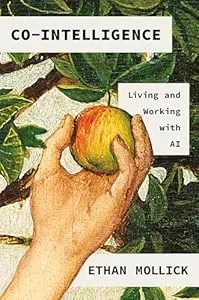
The best starting book if you're not technical: a Wharton professor explains how to work WITH AI — when to delegate, when to supervise, when to keep i
As an Amazon Associate, Zendoric earns from qualifying purchases; the price does not change for you. · all our recommended books →
A transparency note before anything else: the only material we could retrieve for this item is the headline and its framing — the page we fetched returned navigation, not article text. So we won't pretend to report findings we haven't read. What we can do is say why the question matters and what would count as an answer.
The claim implied by the headline is that some companies cut staff on the promise of AI, discovered the automation didn't hold up, and are paying for it — in rehiring costs, in service quality, in institutional knowledge walking out the door. That mechanism is plausible. It is also exactly the kind of story that gets built from a handful of vivid cases and then generalized to an entire economy.
What would make it credible is spending and payroll data, not executive quotes. The strongest evidence we've covered on this runs in an awkward direction for both camps: research from Ramp and Revelio Labs found that the firms spending most aggressively on generative AI grew headcount faster than the firms spending least, while separate Stanford work found entry-level hiring in software development down roughly 20% since 2022. Those two findings coexist. Companies can be adding people and closing the front door at the same time.
Our reading: "AI layoffs backfiring" and "AI layoffs were never really about AI" are different claims, and the second is currently better supported. Attributing a cut to automation is cheaper for a CEO than admitting an over-hiring mistake, and it flatters the stock price on the way out. If a genuine backfire pattern is emerging — teams rehired, projects reversed, quality regressions traced to thin staffing — that's a serious finding and a useful corrective to boardroom hype.
Either way the long-run picture doesn't change much. The technology is real and its productive uses are compounding. What's unreliable right now is the corporate narration around it. Treat every layoff explained by AI as a claim requiring evidence, not a data point about AI's capability — and read this particular story once the actual reporting is in front of you.
📚 Go deeper
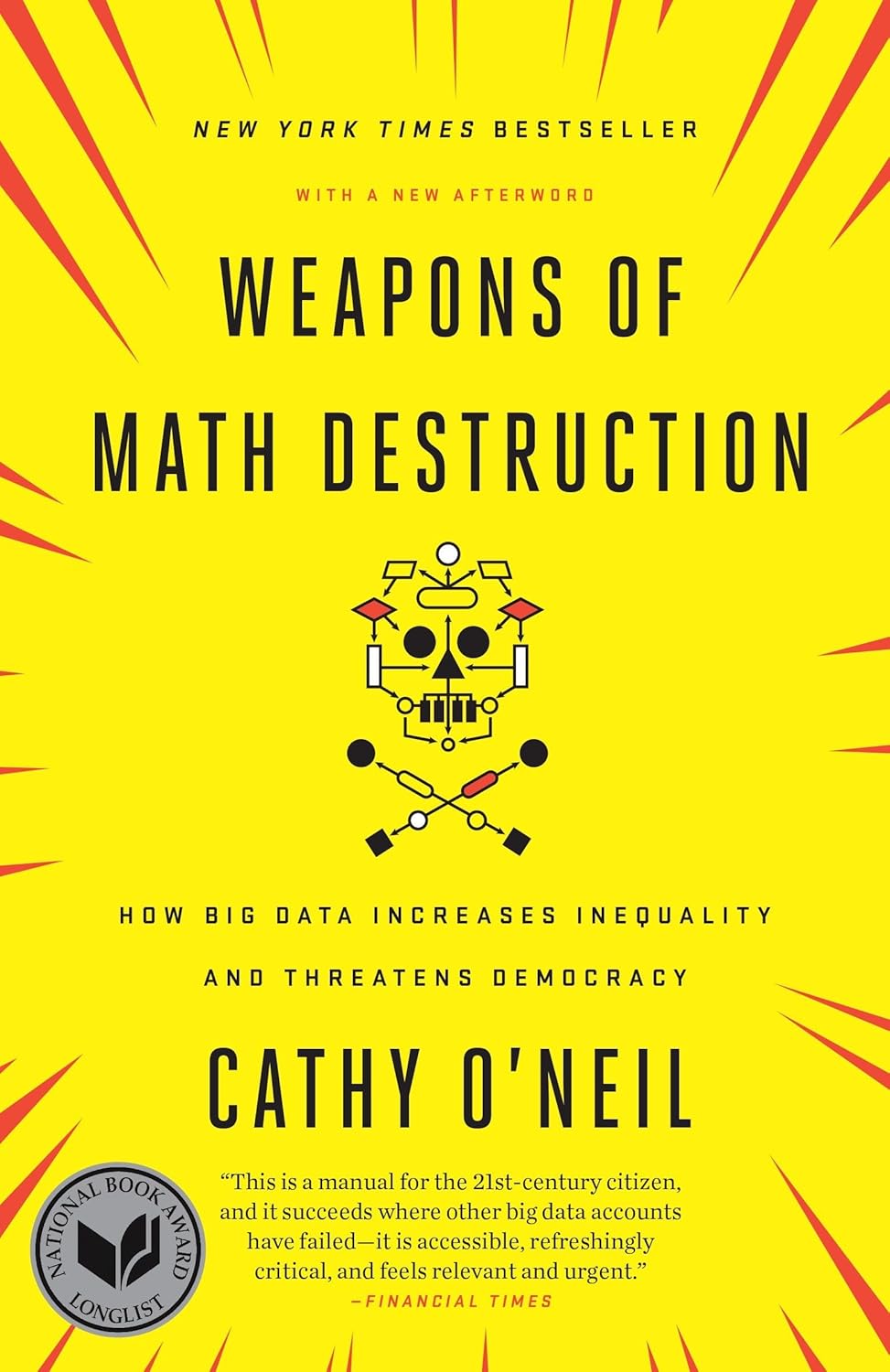
How opaque algorithms decide who gets credit, a job or parole — and why they tend to punish the same people.
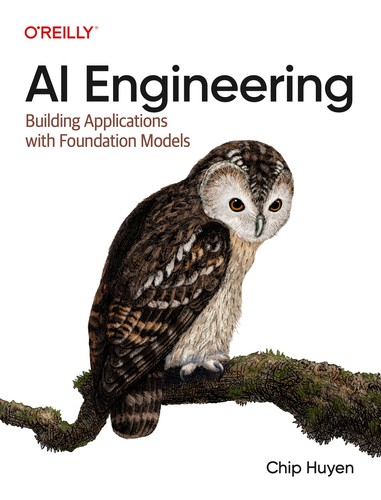
The reference manual for building products on top of AI models: prompts, RAG, fine-tuning, agents, evaluation and deployment.
As an Amazon Associate, Zendoric earns from qualifying purchases; the price does not change for you. · all our recommended books →
🔗 Related on Zendoric