When the Executive Cutting 3,200 Jobs Also Advises the Fed on AI and Work

🕒 Published on Zendoric: July 16, 2026 · 00:23
✨ AI-generated · how it's made
Xbox chief Asha Sharma joins a Federal Reserve task force on AI's effect on jobs and productivity, days after Microsoft announced 3,200 gaming layoffs. The optics are jarring — but the deeper question is whether the people studying the disruption are the same ones causing it.
📚 Go deeper
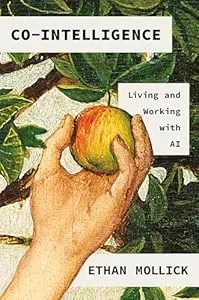
The best starting book if you're not technical: a Wharton professor explains how to work WITH AI — when to delegate, when to supervise, when to keep i
As an Amazon Associate, Zendoric earns from qualifying purchases; the price does not change for you. · all our recommended books →
The facts are stark in their timing. According to Decrypt, the Federal Reserve named Xbox CEO Asha Sharma to a task force studying artificial intelligence's impact on jobs and productivity, joining venture capitalist Marc Andreessen and Stanford economist Charles I. Jones on what is described as a Productivity and — the article cuts off there — advisory body. That appointment landed just days after Microsoft announced 3,200 layoffs as part of what the piece calls the biggest restructuring in Xbox's history. One person, in the same news cycle, is both administering the medicine and diagnosing the disease.
The optics practically write themselves, and it would be easy to reach for outrage. But the more useful reading resists both the cynical dunk and the naive defense. There is a real argument for putting an operator in the room: the executives making headcount decisions have ground-truth visibility into where AI is actually substituting for labor versus where the cuts are ordinary cost-cutting dressed in the language of transformation. An economist models the aggregate; a platform CEO sees which specific functions get automated first. That knowledge has value the Fed genuinely lacks.
The risk is equally real, and it is one we've flagged before: the danger isn't that regulators regulate AI, it's that they regulate the wrong thing, guided by the wrong people. A task force weighted toward capital — a VC and a platform chief — and light on labor, displaced workers, or the sectors absorbing the shock will tend to see disruption as a productivity story with an unfortunate transition cost, rather than as a distributional problem about who bears that cost and who captures the gains. Composition is destiny for advisory bodies. Who sits at the table quietly decides which questions get asked.
It's also worth being precise about attribution. Microsoft has not, in this account, claimed the 3,200 cuts were caused by AI; gaming has its own well-documented overexpansion and post-acquisition consolidation dynamics. Conflating every layoff with automation flatters the technology's current capability and lets other management decisions hide behind a convenient narrative. If the Fed's task force does its job well, one of its first tasks should be separating genuine AI substitution from the ordinary churn that has always followed a hype cycle — a distinction the market rarely bothers to draw.
Our reading: this is a snapshot of the short-term transition at its most uncomfortable — the same institutions and individuals steering the disruption are being asked to interpret it, and the incentives don't perfectly align. That's not a reason for despair; it's a reason for scrutiny. The long-term case for AI-driven abundance — more output, more slack, more room for people to do work that matters — only materializes if the transition is governed by evidence and shared broadly, not narrated by the beneficiaries alone. The Fed studying AI's labor impact is the right instinct. The test is whether the people it listens to include those on the receiving end of the 3,200, and not just the ones who signed the memo.
📚 Go deeper
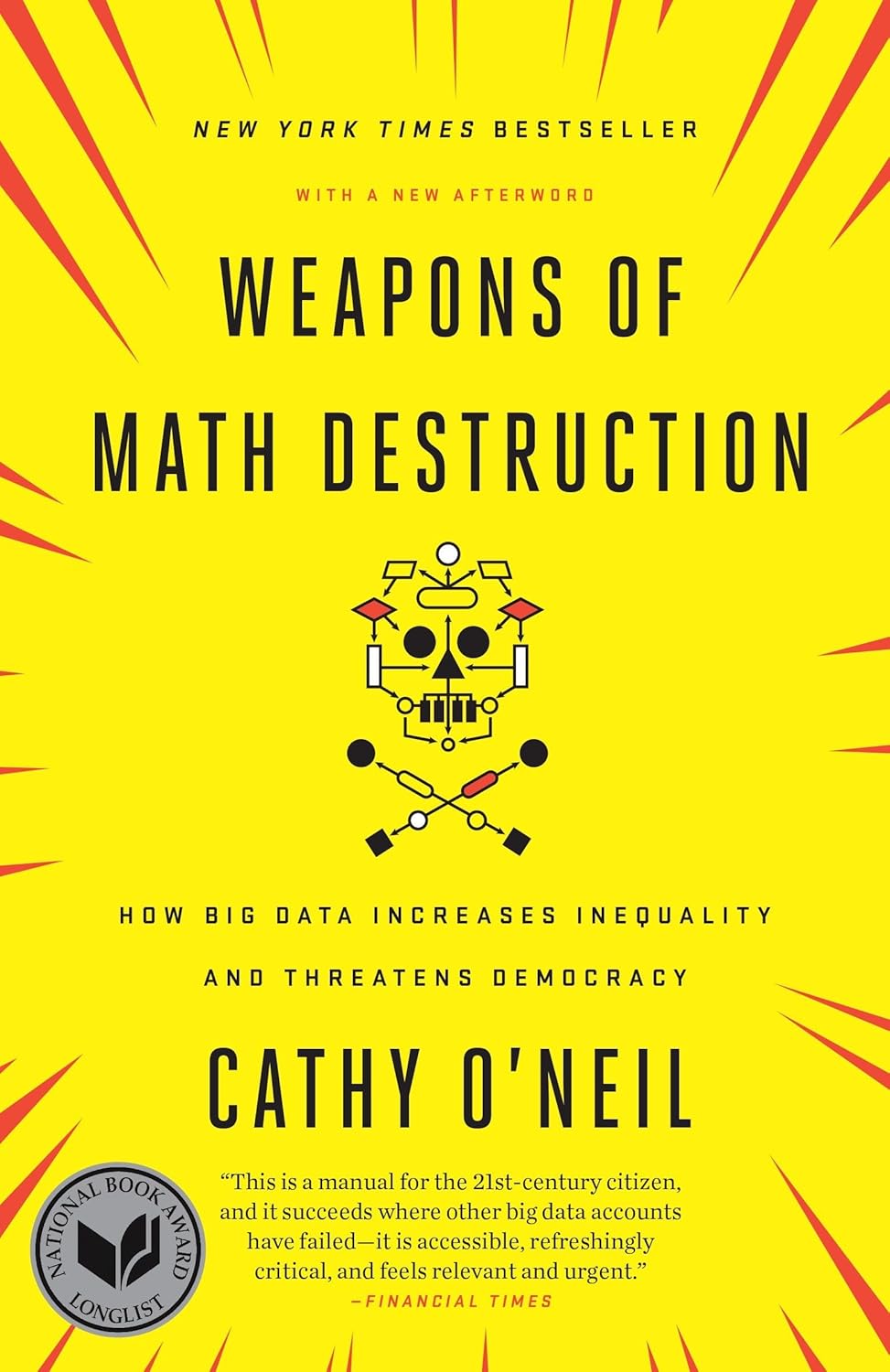
How opaque algorithms decide who gets credit, a job or parole — and why they tend to punish the same people.

The reference manual for building products on top of AI models: prompts, RAG, fine-tuning, agents, evaluation and deployment.
As an Amazon Associate, Zendoric earns from qualifying purchases; the price does not change for you. · all our recommended books →
🔗 Related on Zendoric