When even the economists at OpenAI and Anthropic sign the alarm over jobs

🕒 Published on Zendoric: July 14, 2026 · 00:03
More than 200 economists, including 16 Nobel laureates and the chief economists of OpenAI and Anthropic, have signed an open letter comparing AI's disruption to the Industrial Revolution, but faster. They call for action now, before layoffs and an obsolete social safety net collide head-on.
📚 Go deeper
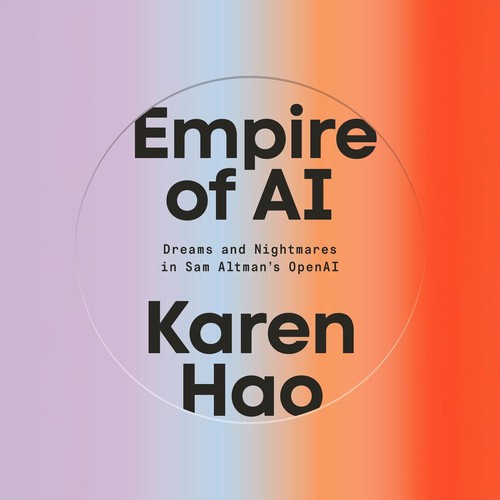
The definitive piece of investigative journalism on OpenAI: 260+ interviews, the clash between safety and speed, and the attempted firing of Sam Altma
As an Amazon Associate, Zendoric earns from qualifying purchases; the price does not change for you. · all our recommended books →
By Newser · July 13, 2026.
More than 200 economists—16 of them Nobel laureates—have signed an open letter titled "We Must Act Now," published this Monday, warning that artificial intelligence could reshape the economy faster than the Industrial Revolution, combining gains in living standards with large-scale job destruction. The most significant thing about the list of signatories is not the number nor the Nobels, but one concrete detail: among the signatories are the chief economists of OpenAI and Anthropic—that is, internal voices from the very companies that are automating those tasks. The text, just 88 words according to Business Insider, urges tech companies and governments to deploy "incentives, safeguards and institutions" as soon as possible to steer AI toward augmenting human work rather than simply replacing it.
The letter does not arrive in a vacuum. The article cites layoffs already linked to AI numbering in the tens of thousands, and surveys in which virtually all executives polled anticipate further workforce cuts. In parallel, the first public-policy experiments are beginning to appear: California has launched an "AI-Unemployment Tracker" to measure the impact of AI deployment on employment in real time. And the article itself, drawing on an analysis by The New York Times, points to the most uncomfortable point of all: even in the historically optimistic scenario—that the technology ends up creating more jobs than it destroys—current social protection systems, starting with unemployment insurance, are not designed to absorb a transition at this speed.
Our reading is that this letter matters less for its technical content (88 words offer little) than for who signs it and what it implicitly acknowledges. When the chief economists of the two companies leading the model frontier—Anthropic and OpenAI—put their names alongside those of 16 Nobel laureates to call for institutional restraint, the arguments that dismiss the labor impact as alarmism stop sounding credible. It is the industry itself admitting, from within, that the problem is real and that the clock is running faster than the institutions that should cushion it.
This fits with what we have been documenting sector by sector: the blow is not uniform. It hits hardest at administrative and back-office tasks—banking, insurance, business management—while expert judgment, human contact and in-person work hold up better, at least for now. What is new here is not that asymmetry, which is already known, but the speed the letter denounces: if the displacement arrives before a safety net redesigned for the AI era exists, the social cost of the transition soars, even if the final outcome is positive.
And there, in our view, lies the key to reading this news without falling into either panic or complacency. That the short-term labor disruption is real, documented and now endorsed by those building the technology does not contradict the underlying thesis that AI, sustained over time, can bring abundance: more productivity, more available resources, more room for work to be oriented toward what each person is passionate about rather than toward subsistence. But that horizon is only fulfilled if the transition is managed, not if it is ignored. Letters like this one are, at bottom, an attempt by their own signatories—including those from the AI companies—to buy institutional time before the gap between disruption and safety net becomes too wide to close later.
📚 Go deeper
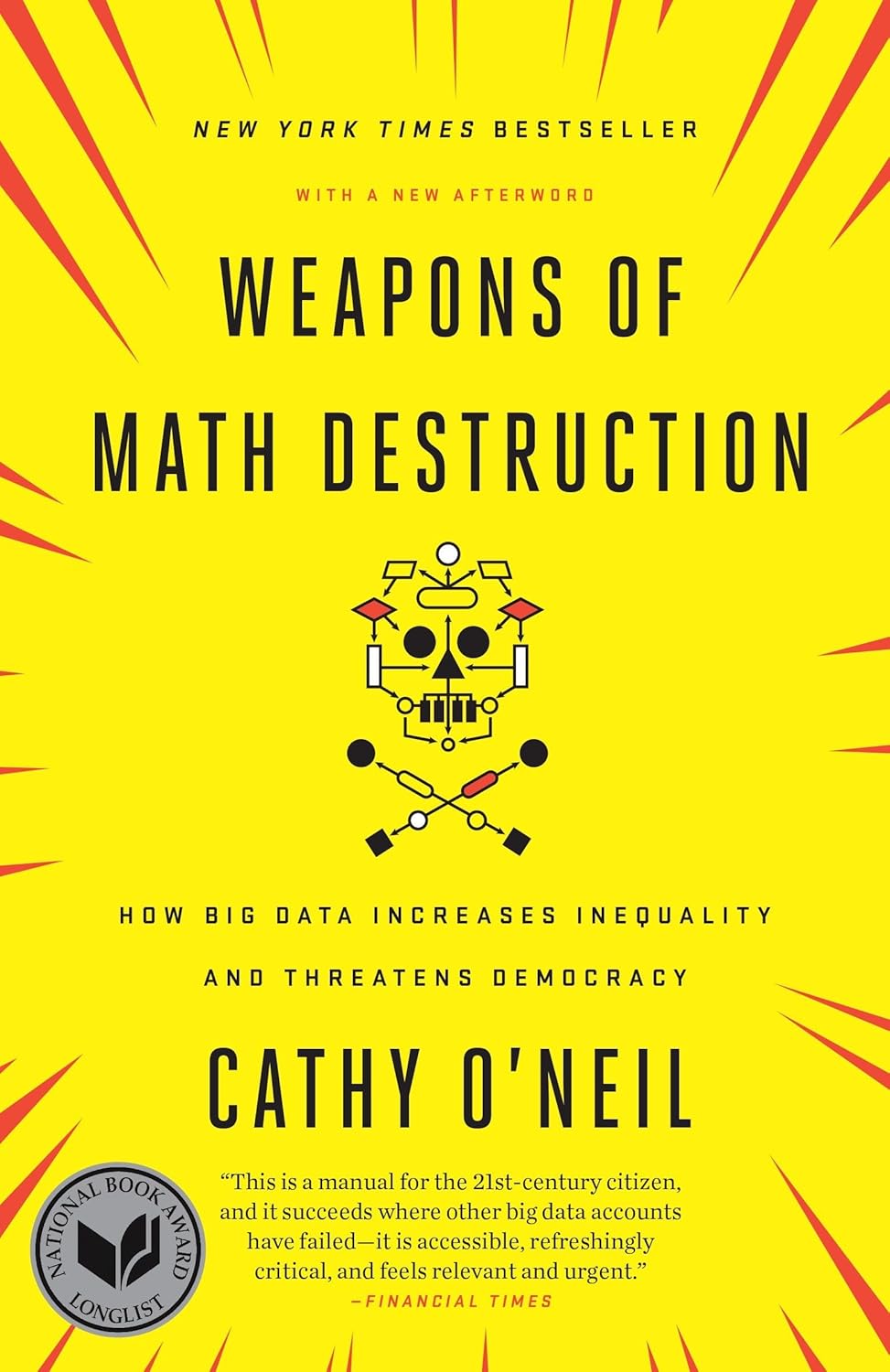
How opaque algorithms decide who gets credit, a job or parole — and why they tend to punish the same people.
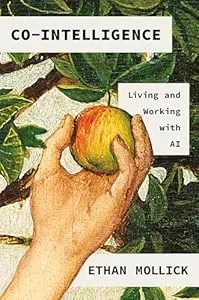
The best starting book if you're not technical: a Wharton professor explains how to work WITH AI — when to delegate, when to supervise, when to keep i
As an Amazon Associate, Zendoric earns from qualifying purchases; the price does not change for you. · all our recommended books →
🔗 Related on Zendoric