East Bay Express runs an 'AI girlfriend' ranking written by the industry itself: advertising now dresses up as journalism

🕒 Published on Zendoric: July 28, 2026 · 00:38
✨ AI-generated · how it's made
A San Francisco Bay Area weekly has published a six-week 'investigation' into twelve AI girlfriend apps, credited as contributed content from a company in the sector. Proof that the loneliness business now has its own native marketing.
📚 Go deeper
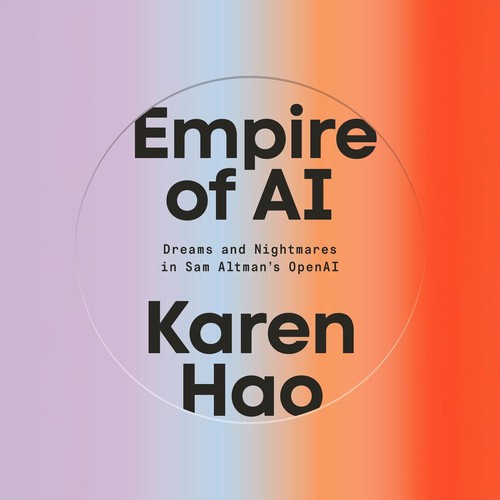
The definitive piece of investigative journalism on OpenAI: 260+ interviews, the clash between safety and speed, and the attempted firing of Sam Altma
As an Amazon Associate, Zendoric earns from qualifying purchases; the price does not change for you. · all our recommended books →
By Zendoric · July 27, 2026. On July 27, the alternative weekly East Bay Express (Oakland, California) published a ranking of twelve AI 'virtual girlfriend' apps bylined by Johannes Gabelleos, but with a footnote that changes almost everything: 'This article was contributed by Miracle AI'. It is not independent reporting by the outlet: it is sponsored content in the shape of a six-week feature, spreadsheet and anecdotes included.
The piece crowns MyDreamCompanion as the best app, for its persistent memory (according to the article itself, it 'remembered' a detail mentioned nine days earlier about a family recipe), its deep customization and its 'uncensored' content that never breaks character. Next, in this order, come Candy.ai (photorealistic images), OurDream (fantasy role-play), GirlFriend GPT (conversation), JOI, DreamGF, Kupid AI, LoveScape, Replika, Character.AI, Anima and EVA AI. The author says he assessed six variables per app — memory, emotional read, character consistency, image quality, privacy policy and 'the urge to open the app again the next day' — and cites conversations with real users: a night-shift nurse, a retired former trucker, a graduate student. All of them, according to the article, get something genuine out of these apps, with no confusion about what they are.
As sector context, this does not come out of nowhere. Replika went through a real reputational crisis in 2023 when it abruptly pulled its romantic role-play features under pressure from a privacy regulator, and had to partially reverse the move in the face of users who said they had lost, overnight, someone they counted on emotionally. Character.AI, present in this same ranking, also faces lawsuits from families linking minors' use of the platform to serious harm to their mental health; these are legal accusations, not proven facts, but they have been enough for regulators and media outlets to scrutinize how these products are designed to maximize engagement.
What matters about this article is not the six middle spots in the ranking. It is that it exists. That a company in the AI girlfriend business can place — as a 'contribution' — editorial space in a local outlet with a name of its own, written in the confessional tone of a first-person chronicle and complete with a comparison table, shows that this business's marketing already operates with the sophistication of any mature consumer vertical: SEO, storytelling, testimonials and a winner that, though the text does not say so, probably pays an affiliate commission. The line between journalism and native advertising has been blurring for years in almost every sector; here the problem is sharper because what is being sold is not a mattress or a streaming subscription, but a simulated emotional relationship with access to the most intimate data a person can share with a machine.
Our reading is that the AI romantic companionship market will keep growing regardless of the journalistic quality of those who cover it, because it answers a real and currently poorly served need: chronic loneliness, documented for years by public health authorities in various countries, does not have enough human help available at four in the morning. In the short term, that is fertile ground for the same pattern we already saw in social media and free-to-play gaming: design optimized for engagement, monetization of emotional vulnerability and data protection that has not arrived in time for conversations that are, by design, more intimate than any search history. In the long term — and here we connect with the underlying thesis we defend at Zendoric — well-designed synthetic companionship, with real safeguards and without the current incentive to maximize usage time at all costs, could be a legitimate tool against the isolation of those who today have no alternative: night-shift workers, older people living alone, people with reduced mobility. The abundance AI promises is not only about curing diseases or freeing up working time; it can also be companionship available to those who have none. But getting there first requires separating the genuine business from the editorial growth-hacking that this article, without meaning to, portrays perfectly.
📚 Go deeper
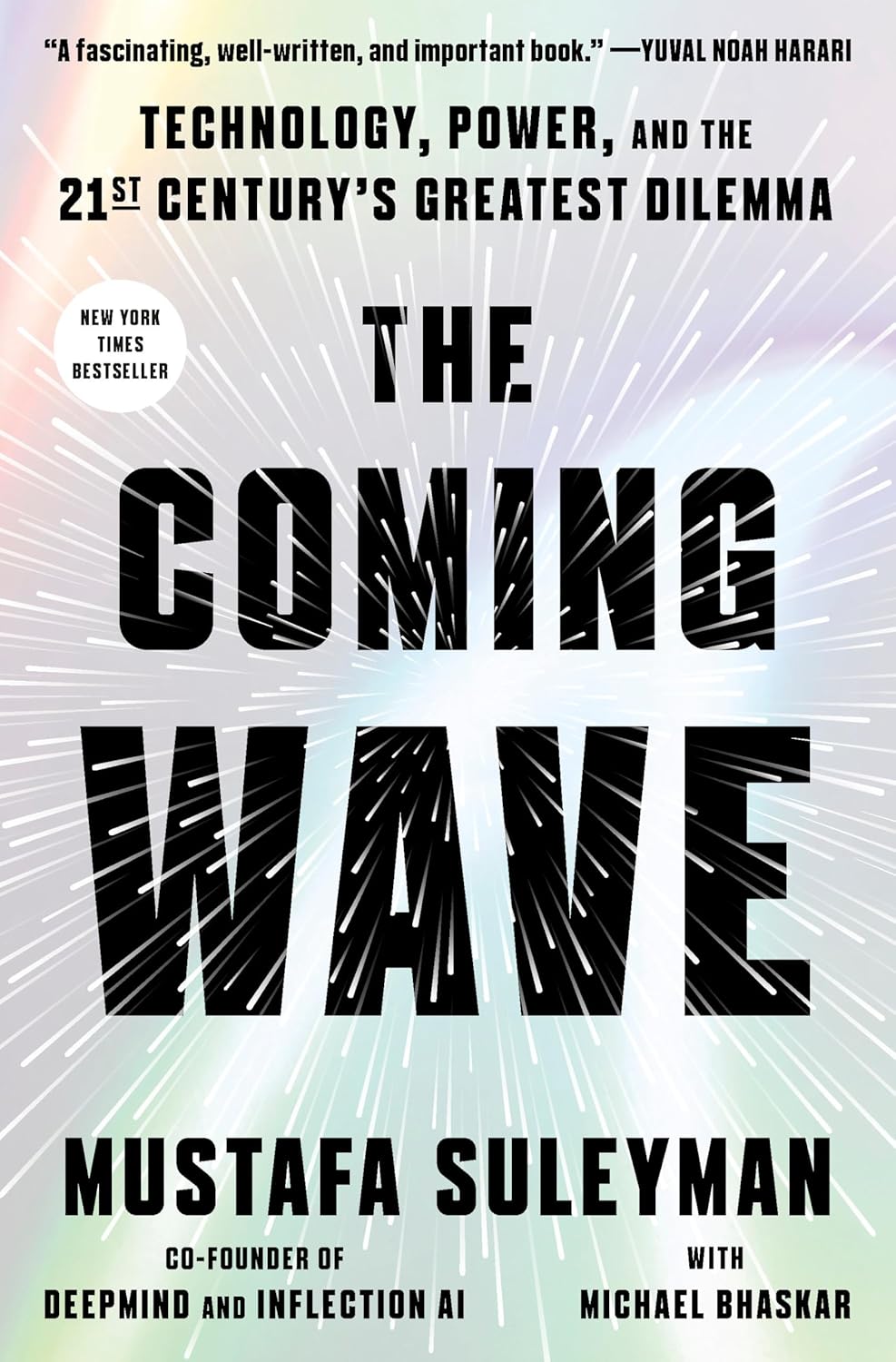
DeepMind co-founder on the dilemma of containing technologies that do not want to be contained.
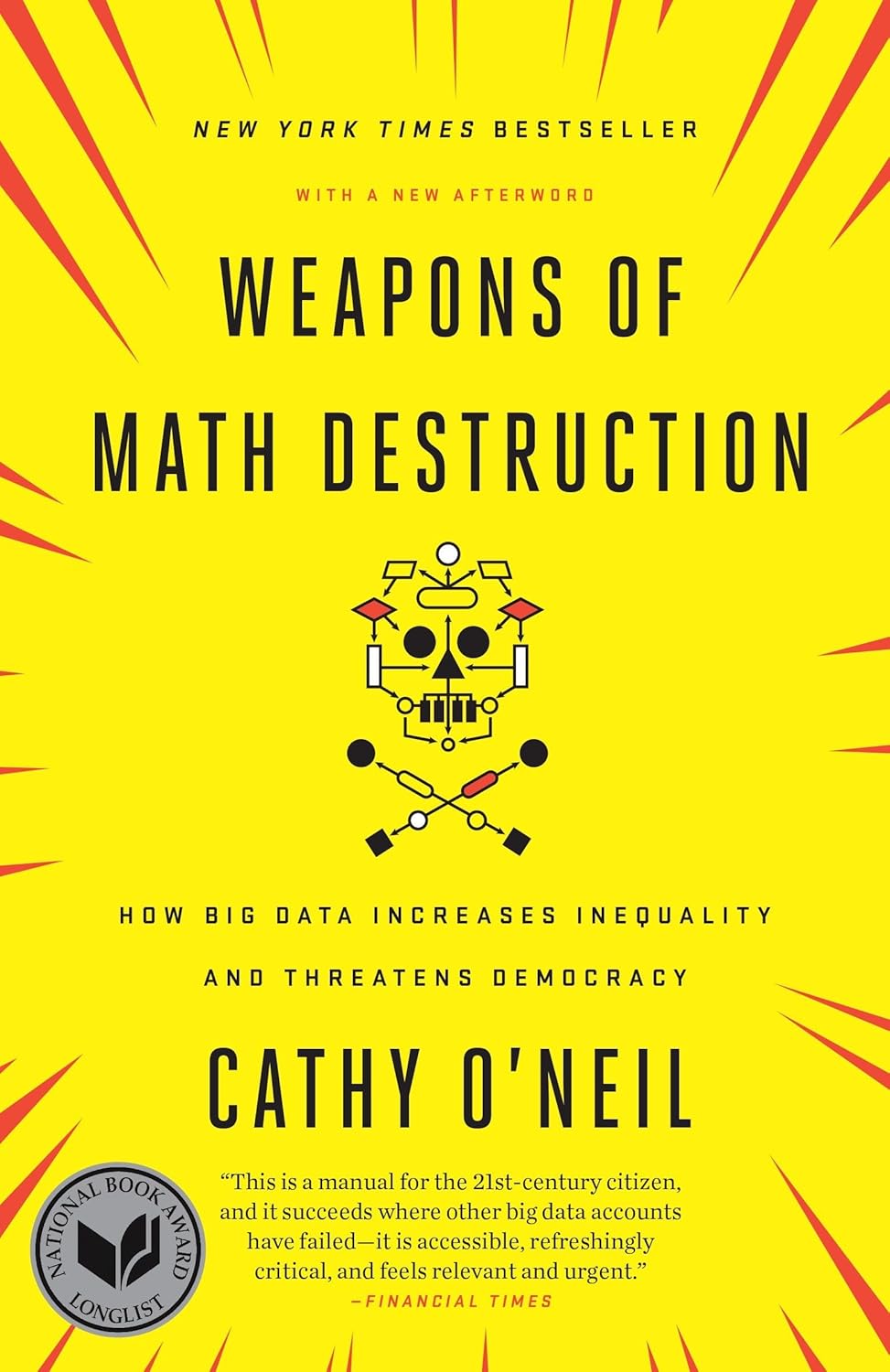
How opaque algorithms decide who gets credit, a job or parole — and why they tend to punish the same people.
As an Amazon Associate, Zendoric earns from qualifying purchases; the price does not change for you. · all our recommended books →
🔗 Related on Zendoric