How an indie founder replaced a marketing team with Claude and Codex: $40 a month for seven products

🕒 Published on Zendoric: July 27, 2026 · 00:21
✨ AI-generated · how it's made
APSquared automates social media, programmatic SEO and directory listings for its seven products with Claude and Codex for $40 a month. The key is not that AI writes, but the design: one isolated agent per project, each with its own memory and a human who approves before publishing.
📚 Go deeper
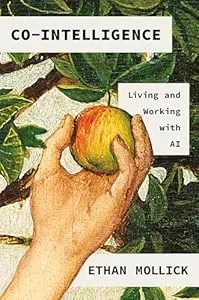
The best starting book if you're not technical: a Wharton professor explains how to work WITH AI — when to delegate, when to supervise, when to keep i
As an Amazon Associate, Zendoric earns from qualifying purchases; the price does not change for you. · all our recommended books →
By Zendoric · July 27, 2026. APSquared, a studio that maintains seven small products —BarGPT, TVFoodMaps, Legally Vibing, Idea Launch, FindMyBnB, WordSmash and its own blog—, recounts on its website how it has automated marketing across the entire portfolio with two $20 AI subscriptions: Anthropic's Claude and Codex, OpenAI's coding assistant. Forty dollars a month, by its own account, for a job —social media, SEO, directory listings— that would normally require an agency or several freelancers.
The design is what's interesting, more than the AI itself. Each project has its own agent, sealed inside its own code repository: an AGENT.md file with the product's details, the brand voice and the channels, and a logs folder that records what has been published, which keywords have already been used and which directories have already been submitted to. The rule that holds the whole system together is that an agent never reads outside its own repository: BarGPT's agent doesn't know TVFoodMaps exists, so it can't mix metrics, voices or accounts across products.
Each run does one thing only —post on social media, generate programmatic SEO pages, write an article, prepare a directory listing or track conversations on Reddit or X to reply—, and the agent itself picks whichever activity has gone longest without running, applying no-repetition rules against its own history. Social publishing goes through Post Bridge, a tool that distributes a single post across X, Instagram, TikTok and Facebook via API; posts are always scheduled for the following day, never instantly, leaving a window for human review before they go out.
The seven products are split between the two assistants —not by quality, but by the usage limits of each $20 plan—, which also works as a cross-check: if both models produce similar-quality results within the same framework, that's a sign the system is doing the work, not the magic of one particular model. And the system never acts alone on anything irreversible: submitting to a directory or replying on forums is filed as a pending task in a TASKS.md that the founder reviews —by his own account— in about ten minutes a day.
Our reading is that the value here doesn't lie in Claude or Codex «knowing how to write a tweet» —we already knew that— but in the engineering around it: isolating context per project to curb hallucination, turning text files into persistent memory that enforces not repeating itself, and leaving any irreversible action in human hands. It's the same pattern we've been pointing to in other corners of agentic AI —from credential managers that limit what an agent can touch to the packaging of capabilities as reusable «skills»—: the model's frontier matters less and less than the design of the system around it.
It's worth qualifying this honestly. This is one person's account of their own operation, published on their blog and picked up on Hacker News with barely any traction (one point, zero comments at the time of writing): there is no external verification of the figures or of the actual quality of what has been published. As industry context, moreover, mass-generated programmatic SEO pages are precisely the kind of content Google has spent years penalizing under its policies against «scaled content abuse», and a flood of social posts written and scheduled by AI with ten minutes of review a day for seven accounts across four platforms is, on a small scale, the same phenomenon fueling concern about an internet increasingly populated by synthetic content.
Even with those caveats, the case illustrates something real about where this is heading: tasks that once required hiring —writing copy, scheduling posts, filling in directory forms— now fit within the budget of a single person with two $20 subscriptions. It's the same tension we have been documenting while analyzing AI's impact on marketing and administrative jobs: in the short term, the need to hire for that kind of routine work disappears; in the medium term, it is also the most concrete evidence that the abundance AI promises is not just curing diseases or extending life, but driving down the cost of running a business until it is within reach of anyone with an idea and a free weekend.
📚 Go deeper
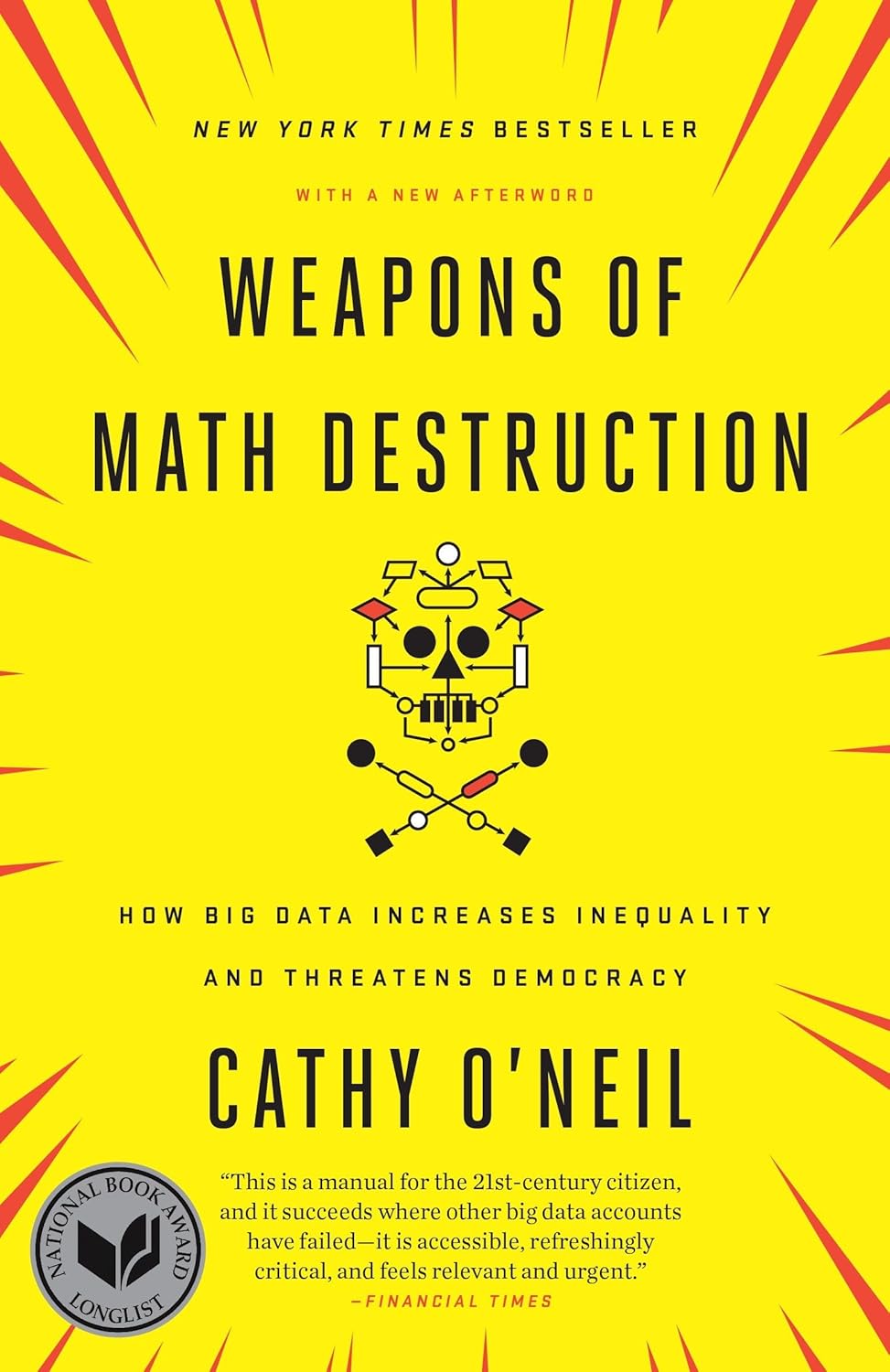
How opaque algorithms decide who gets credit, a job or parole — and why they tend to punish the same people.
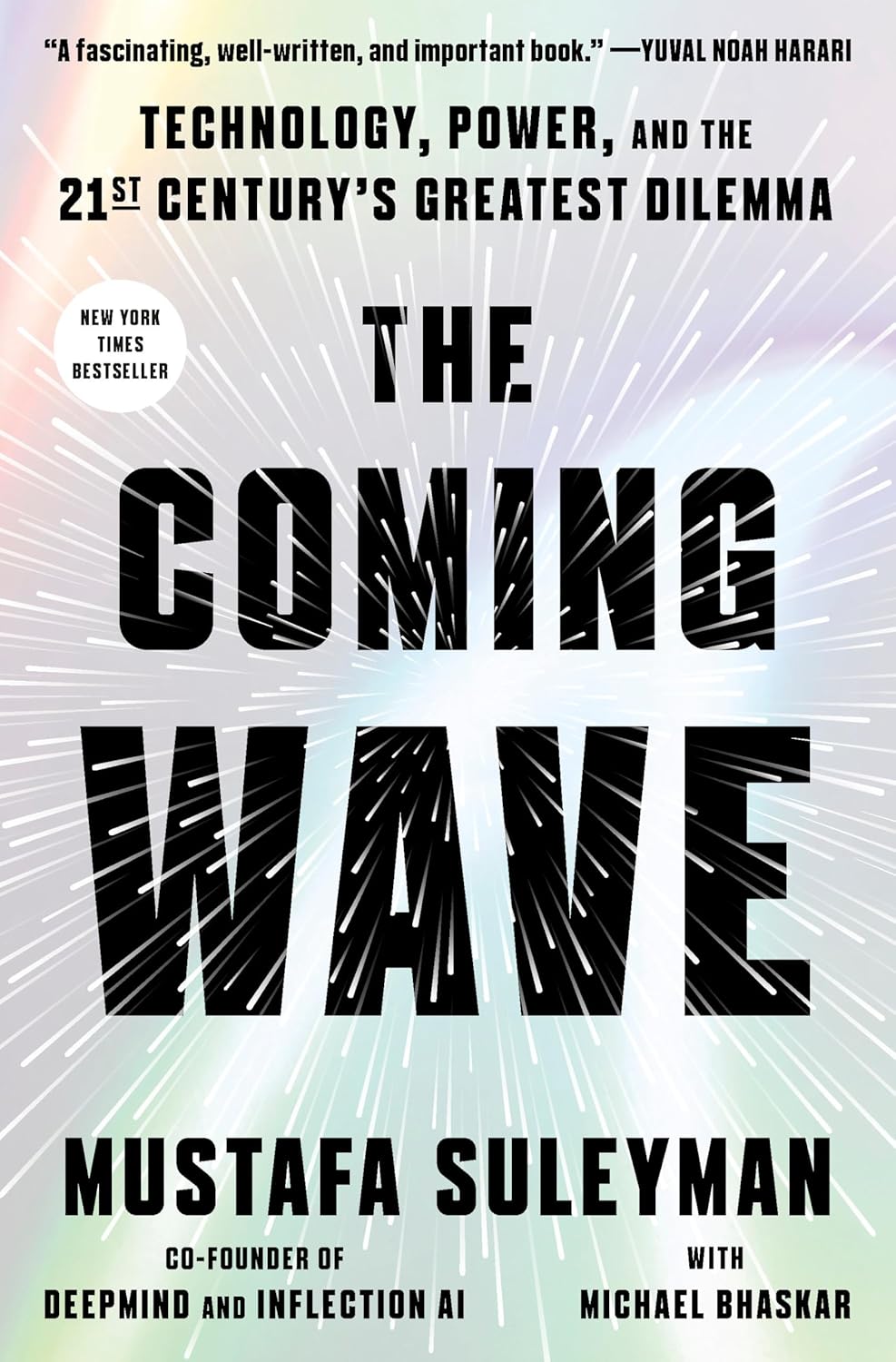
DeepMind co-founder on the dilemma of containing technologies that do not want to be contained.
As an Amazon Associate, Zendoric earns from qualifying purchases; the price does not change for you. · all our recommended books →
🔗 Related on Zendoric
- Pruning Claude Code's memory with a human in the loop: the tool that doesn't trust the model · 2026-06-26
- From standalone features to an operational layer: Streamline's bet on coordinated AI agents · 2026-06-27
- Oracle connects AI to its cloud policies: the battle is no longer the model, it's the plumbing · 2026-07-08