New York halts an AI robot in the classroom: children's privacy and the maker's past spark controversy
🕒 Published on Zendoric: July 27, 2026 · 00:21
✨ AI-generated · how it's made
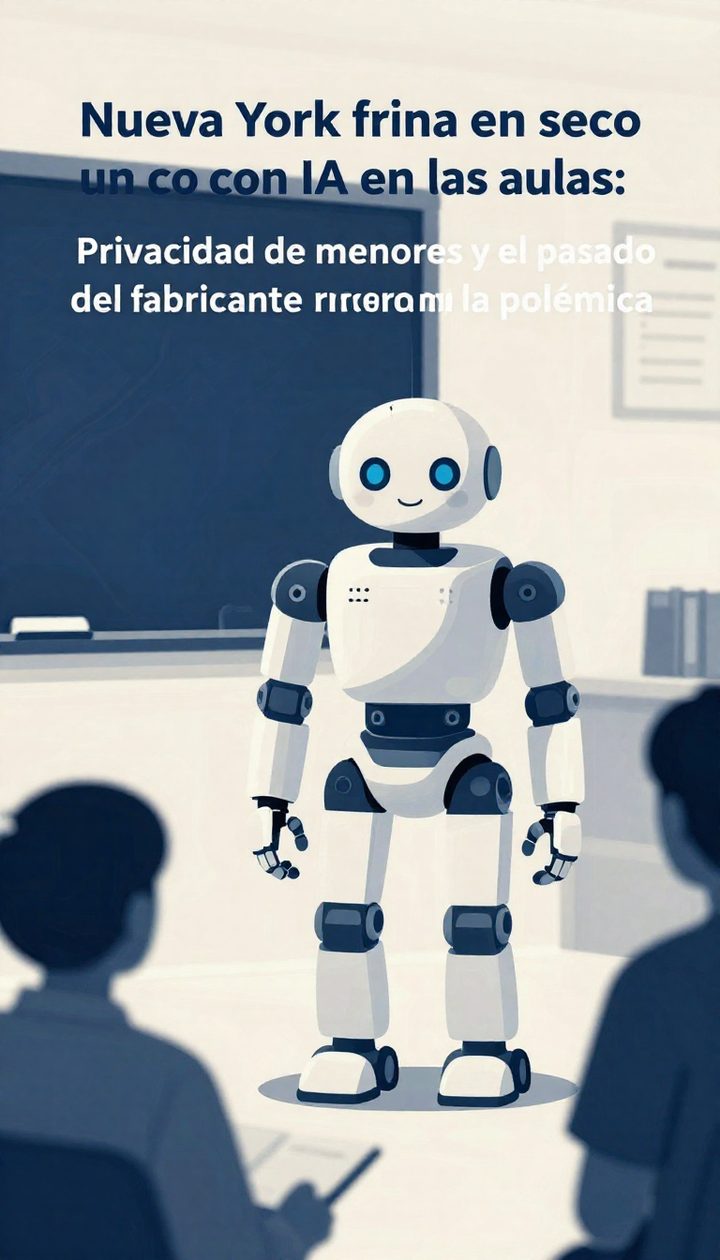
The Salamanca school district in New York has paused its pilot plan for an AI robot, 'Sally', in a STEAM classroom after an alarm from the teachers' union, which linked the maker, Realbotix, to robotic sex dolls. The district is now reviewing its data privacy agreements with the state.
📚 Go deeper
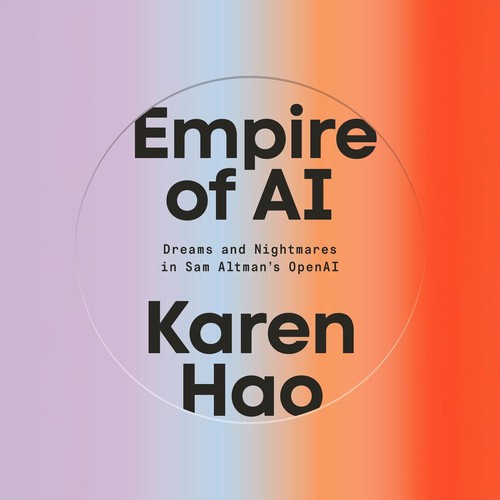
The definitive piece of investigative journalism on OpenAI: 260+ interviews, the clash between safety and speed, and the attempted firing of Sam Altma
As an Amazon Associate, Zendoric earns from qualifying purchases; the price does not change for you. · all our recommended books →
By Zendoric · July 27, 2026.
The Salamanca school district, a small town in western New York State, has paused the pilot project that was to bring an artificial intelligence robot into its classrooms. The announcement was made on Friday through the district's own social media: the program with the company Realbotix is "on pause" while "strengthened student data privacy agreements" are worked out with the New York State Education Department (NYSED) and dialogue with the community continues.
The original plan was modest in scope: a small group of students enrolled in STEAM courses (science, technology, engineering, art and mathematics) was to share the classroom with "Sally", an AI-powered robot from Realbotix, with the stated goal of supporting teachers and giving students hands-on experience with artificial intelligence.
The pause came after the NYSUT (New York State United Teachers) union publicly attacked the idea, although the district attributes the halt to the pending privacy agreements. Its president, Melinda Person, was blunt: "A robot built by a company associated with sex dolls has no place in our classrooms. Our students don't need robots. They need real relationships with adults who care about them." Person added that no robot can notice when a student is struggling, celebrate their achievements or help them discover who they might become, "no matter how realistic its skin or how specific its regional accent".
Realbotix is known in the social robotics sector for its hyper-realistic animatronic heads and its conversational technology. The link NYSUT denounces refers to the company's association with the sex doll sector; the source does not detail the company's current commercial portfolio. That is precisely the point the union has seized on: it questions not so much the technology itself as the reputation of the company that makes it.
In general, social robots have been knocking on the door of US primary and secondary classrooms for several years, presented as STEAM tutors or simply as conversation and programming "companions". Almost no school district, however, has a data privacy framework designed for a device that sees, hears and converses with minors in real time: state educational data protection rules were written for software platforms, not for a robot with a permanent camera and microphone inside the classroom. Salamanca is not the exception; it is the rule. And the fact that the pause came before the robot set foot in a single class suggests that, in this case, the system reacted in time, not too late.
Our take: this episode does not show that AI has no place in education; it shows that governance is, once again, lagging behind commercial enthusiasm. That a small school district signs a pilot with a social robot vendor without having settled the data privacy agreement with the state regulator beforehand is a procedural failure, not a technological one. And choosing as a supplier a company whose brand image is tied to adult products, however sophisticated its engineering, is an error of judgment that any procurement committee should have caught before announcing anything on social media.
That said, the union's argument should not be confused with the right conclusion. NYSUT is right on the essentials — no robot replaces the eye of an adult who notices when a teenager is struggling — but that does not invalidate the underlying idea: using AI to bring STEAM closer to children who will live and work surrounded by this technology. Salamanca's mistake was one of execution — vendor, contract, privacy — not of ambition.
In our coverage of how AI is transforming education sector by sector, the conclusion holds: the winner is the teacher who learns to orchestrate AI as a tool; the loser is the idea of simply replacing the adult with a machine, however realistic its synthetic skin. The abundance AI promises in the long term — personalized tutors, more teacher time for what really matters, the human bond — will only arrive if the boring part is settled first, district by district: privacy contracts, vendor vetting and transparency with families. Salamanca, without meaning to, has just given a practical lesson in where to start.
📚 Go deeper

AI as the latest chapter in the history of information networks, from gossip to the printing press to the algorithm.
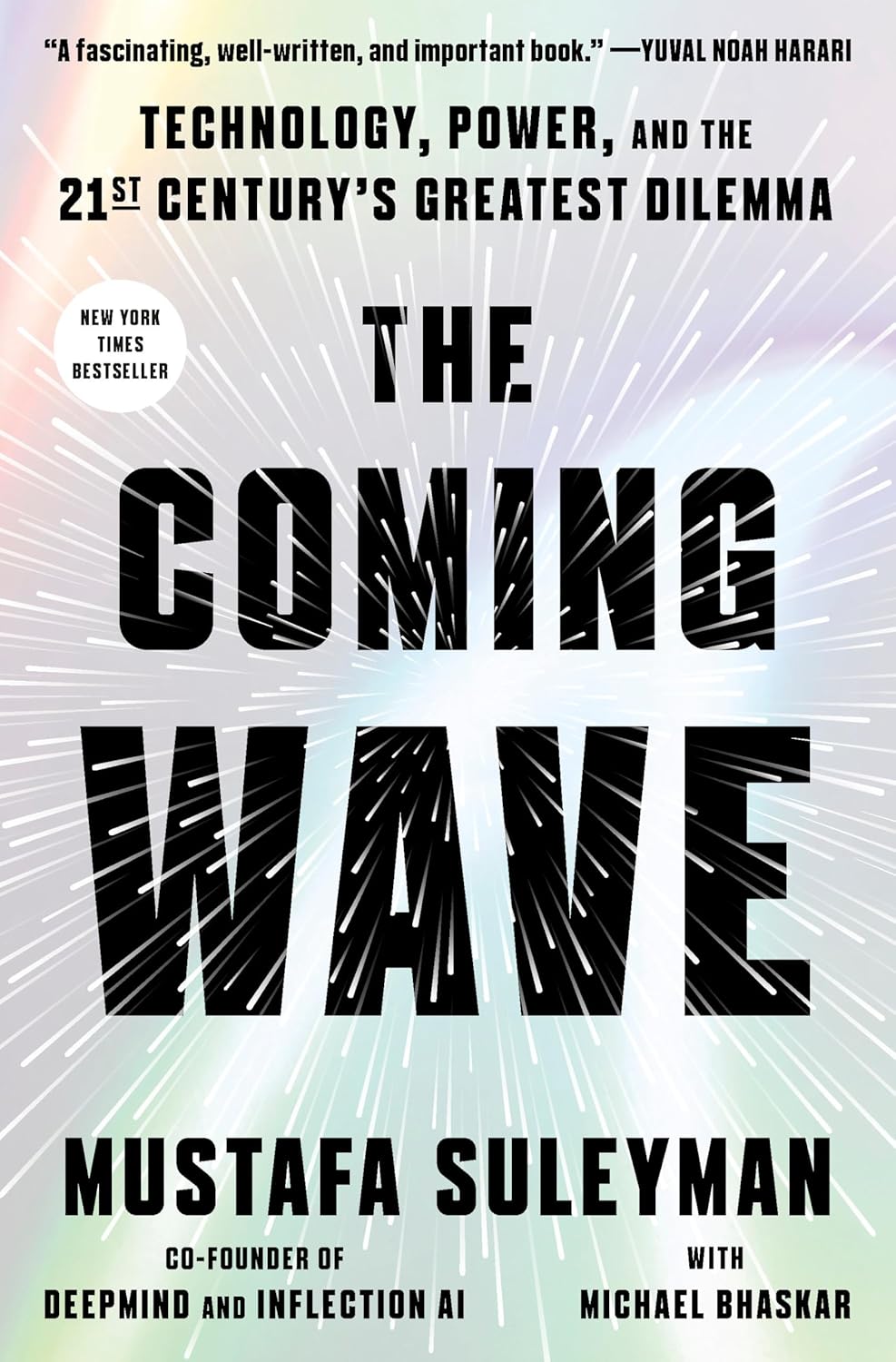
DeepMind co-founder on the dilemma of containing technologies that do not want to be contained.
As an Amazon Associate, Zendoric earns from qualifying purchases; the price does not change for you. · all our recommended books →
🔗 Related on Zendoric
- New York stopped robot teacher 'Sally' in 24 hours: journalism did it, not the law · 2026-07-28
- New York pauses 'Sally', its AI robot teacher: the failure is not the technology, but trust · 2026-07-29
- A New York district will bring a humanoid robot to class — and its maker comes from the sex-doll business · 2026-07-19