A New York district will bring a humanoid robot to class — and its maker comes from the sex-doll business

🕒 Published on Zendoric: July 19, 2026 · 00:04
✨ AI-generated · how it's made
The Salamanca school district in western New York will add a humanoid robot from the company Realbotix this fall as STEM teaching support. The detail fueling the controversy: Realbotix is also the maker of RealDoll sex dolls, as other outlets reveal.
📚 Go deeper
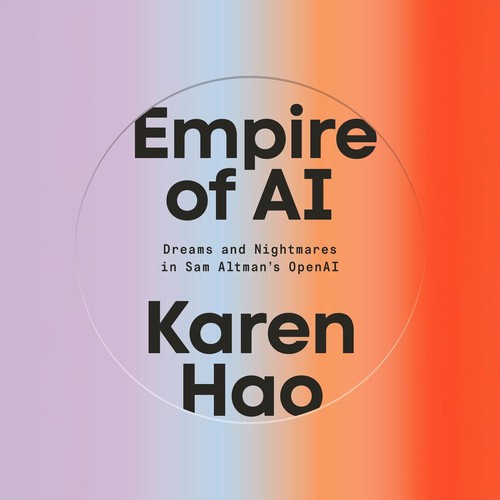
The definitive piece of investigative journalism on OpenAI: 260+ interviews, the clash between safety and speed, and the attempted firing of Sam Altma
As an Amazon Associate, Zendoric earns from qualifying purchases; the price does not change for you. · all our recommended books →
By Zendoric · July 18, 2026.
The Salamanca City Central School District, in Cattaraugus County (western New York), will deploy a humanoid robot named "Sally" in its STEM (science, technology, engineering and mathematics) classrooms this fall, as reported by Syracuse.com and picked up by Fox News. The robot, made by the company Realbotix, has silicone skin and long brown hair, remains seated, and can move its torso and make facial gestures. It comes with an AI assistant called Optio, which students access from their laptops using a unique identifier that lets the system remember previous interactions and tailor its responses to each student's learning history.
The cost of the operation is $57,590, according to Biggo. The district superintendent, Mark Beehler, justified the decision by noting that banning AI in the classroom does not work: "many schools take the easy way out and just ban it, but I've found that students find a way around almost any rule," he told Syracuse.com. Realbotix CEO Andrew Kiguel called the deployment a "historic moment" for humanoid robotics and assured Fox News Digital that the system would operate under the supervision of the district and its teachers, with "education-specific safeguards" and without Realbotix having access to student data.
What the Fox News piece leaves out —and what Kotaku, Gizmodo and Biggo do highlight— is Realbotix's origin: the company is best known as the maker of RealDoll, hyperrealistic sex dolls. It's a detail that completely changes how the case reads. It is not the same for a humanoid robot for children to be built by an industrial robotics company as by one that has built its business and expertise in synthetic skin, facial expressiveness and customization on products of a sexual nature. That background does not automatically invalidate the educational project, but it does demand far stricter scrutiny than it has received so far, and it explains why the same event has generated such different coverage depending on the outlet.
The underlying drive —using AI and robotics to personalize STEM teaching— fits with what we have already documented in the education sector: the model that wins is the one where the teacher orchestrates AI as a support tool, not where it replaces the teacher. Beehler frames it this way, and it is reasonable: teaching the correct use of technology is a better strategy than banning it, especially when students themselves already use it outside the classroom. An assistant that remembers each student's history and adapts its responses has real pedagogical potential, and there is no reason to dismiss it simply because it comes wrapped in a humanoid body.
But the vehicle chosen for that personalization —a robot with a female human appearance, silicone skin and long hair, made by a company specialized in sex dolls— raises questions that go beyond pedagogy. What independent controls exist over the robot's design and behavior beyond the company's own verbal assurances? What effect does it have on children and teenagers to bond emotionally with an anthropomorphic machine designed by the very people who best master the engineering of human realism for sexual purposes? None of these questions has been resolved, and neither the district nor Realbotix has so far offered an external audit to settle them.
This is exactly the kind of short-term friction we anticipated when AI moves from the office to the classroom: the technology can be genuinely useful, but its institutional deployment moves faster than the safety, privacy and appropriateness standards it should have. In healthcare, in banking, in the military, we have seen governance lag behind capability; in schools, with minors involved, that gap weighs much more. If the Salamanca project works and is documented transparently —academic results, supervision protocols, independent review of the vendor—, it could be a valuable precedent for how to integrate physical AI into education. If it amounts to no more than a flashy headline without that rigor, it will be just the first chapter of an avoidable controversy.
📚 Go deeper
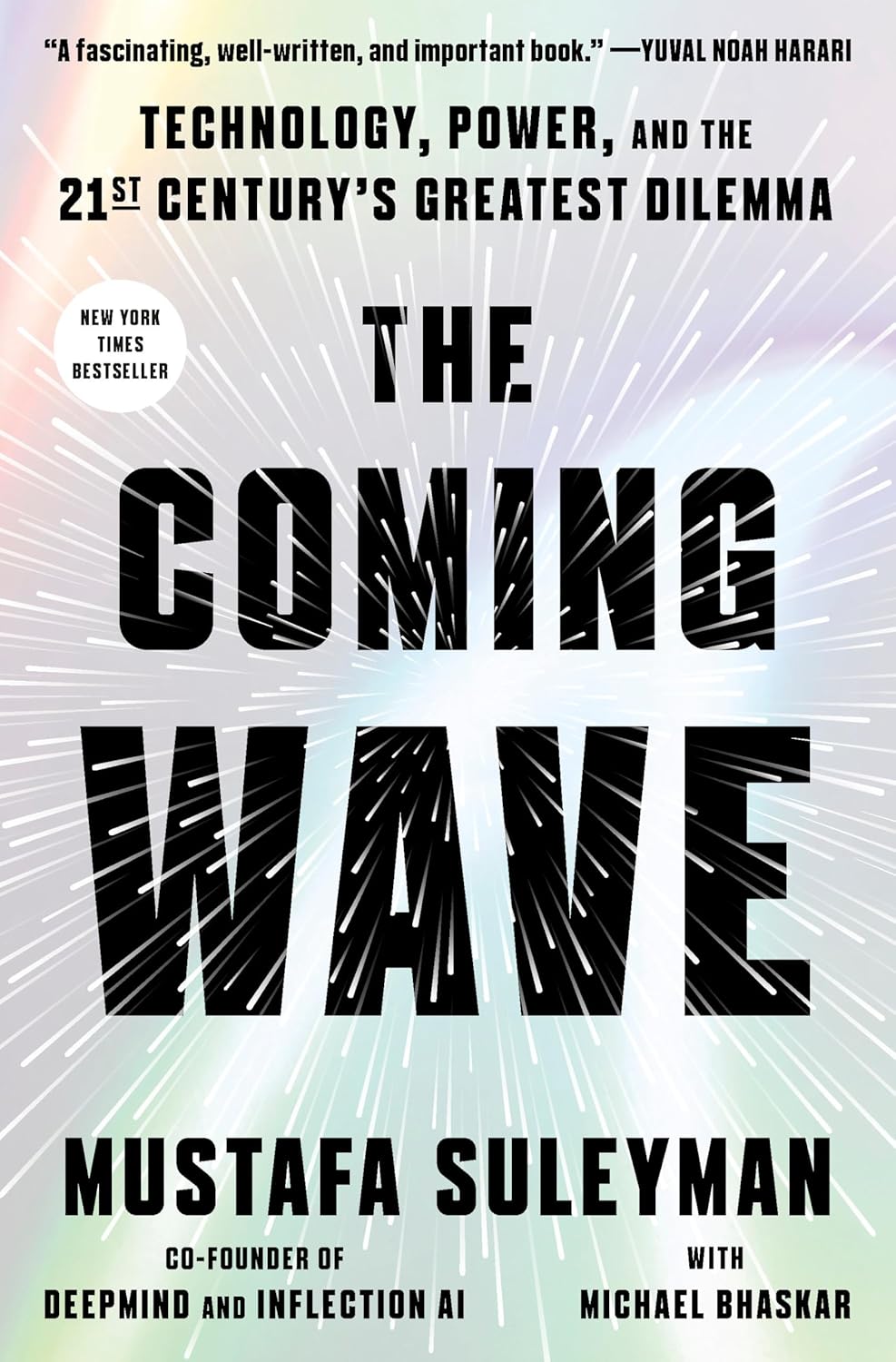
DeepMind co-founder on the dilemma of containing technologies that do not want to be contained.

AI as the latest chapter in the history of information networks, from gossip to the printing press to the algorithm.
As an Amazon Associate, Zendoric earns from qualifying purchases; the price does not change for you. · all our recommended books →
🔗 Related on Zendoric
- A NY School Bought a $58K Classroom Robot From a Sex-Doll Maker. The Real Story Is Procurement. · 2026-07-19
- New York halts an AI robot in the classroom: children's privacy and the maker's past spark controversy · 2026-07-27
- Sally, the $57,590 robot arriving at a rural high school in New York (and not here to replace anyone) · 2026-07-21