A NY School Bought a $58K Classroom Robot From a Sex-Doll Maker. The Real Story Is Procurement.

🕒 Published on Zendoric: July 19, 2026 · 00:04
✨ AI-generated · how it's made
A Western New York district is paying $57,590 for a humanoid classroom robot from Realbotix, a firm that also owns the maker of the RealDoll sex mannequin. Strip away the lurid headline and what's left is a more useful warning: schools are buying expensive hardware to do what a $300 laptop already does, without reading the data fine print.
📚 Go deeper
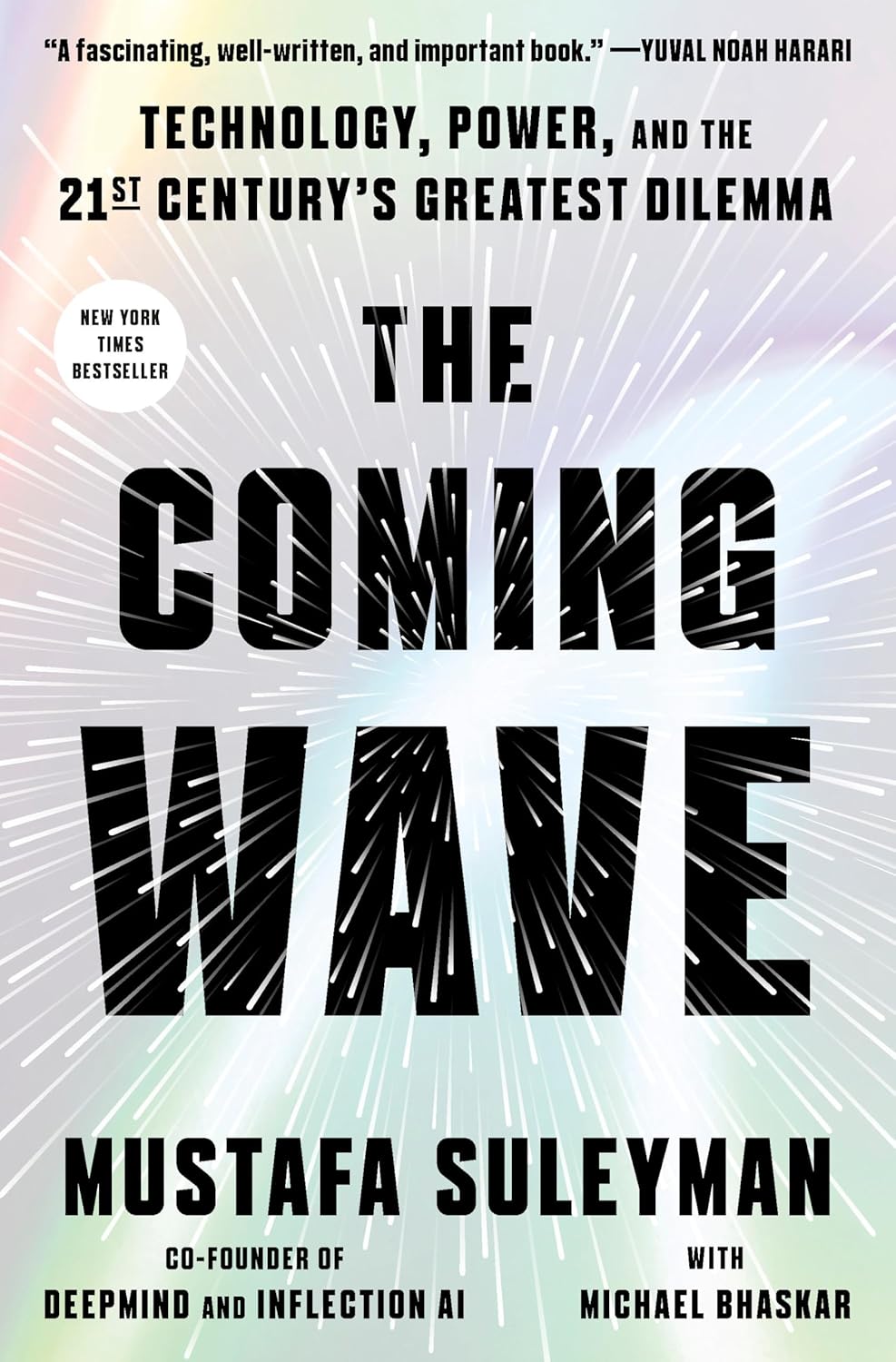
DeepMind co-founder on the dilemma of containing technologies that do not want to be contained.
As an Amazon Associate, Zendoric earns from qualifying purchases; the price does not change for you. · all our recommended books →
The facts, per Gizmodo citing Techspot: the Salamanca City Central School District in Western New York will pay $57,590 (discounted from a $95,000 list price) for a humanoid robot called "Sally," built by Realbotix. Like a similar deployment at a San Diego charter school reported last month, the robot essentially acts as a physical mouthpiece for a large language model.
Realbotix has a tangled corporate lineage worth stating plainly. The company was called Tokens.com until May 2024. A month before rebranding, it acquired the firm now known as Abyss Creations, maker of the RealDoll — a life-sized sex mannequin the company has, since at least 2018, been pitching to upgrade into an AI "companion." Gizmodo is explicit that it is not alleging the classroom product does anything improper; the link is corporate ownership, not shared function. We'll hold the same line: the sex-robot angle is a real fact about the vendor, but it is not evidence about what "Sally" does in a room full of children.
Our thesis: the headline is the least important thing here. The actual story is a procurement failure dressed up as innovation. Gizmodo asks the obvious question and we'll amplify it — if a teacher wants a student to talk to a chatbot, a laptop and an internet connection do the same job for a fraction of the cost. Nearly $58,000 buys the anthropomorphic packaging, not the intelligence. The LLM is the commodity; the glowing humanoid shell is the upsell. That inversion — paying premium prices for the least valuable layer — is exactly the pattern institutions keep falling into when they buy the theater of AI instead of its substance.
The part that deserves genuine scrutiny is data. A robot placed in a classroom sees and hears minors, continuously. Gizmodo raises the plausible concern that classroom footage could feed future model training, and again is careful to say it is not accusing Realbotix of doing so. We'd frame it as governance, not accusation: any school putting a sensor-laden device in front of children needs to read the EULA and data-handling terms as carefully as a contract with a testing company. The right question is not "is this creepy" but "who owns what this device records, and for how long." That is answerable, in writing, before a purchase order is signed.
Our read: this is a small-district cautionary tale, not a civilizational one, and it's worth keeping the two apart. AI in education has a genuine long-term upside — the teacher who orchestrates a tutor that adapts to every student individually is a real and hopeful prospect. But that future is delivered by software and pedagogy, not by five-figure humanoid mannequins from vendors with unrelated business lines. The near-term risk isn't that a robot replaces the teacher; it's that cash-strapped schools spend scarce budgets on hardware novelty while the cheaper, better option — good software, clear data rules, a teacher in the loop — sits on the shelf. Buy the intelligence. Skip the shell. Read the contract.
📚 Go deeper
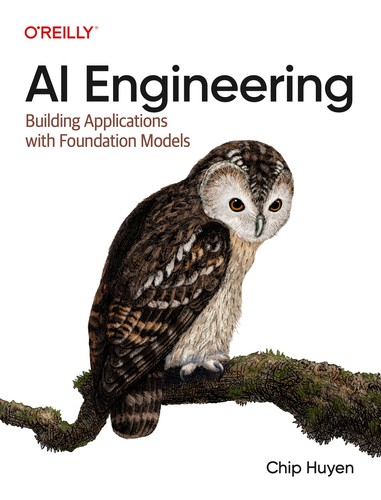
The reference manual for building products on top of AI models: prompts, RAG, fine-tuning, agents, evaluation and deployment.
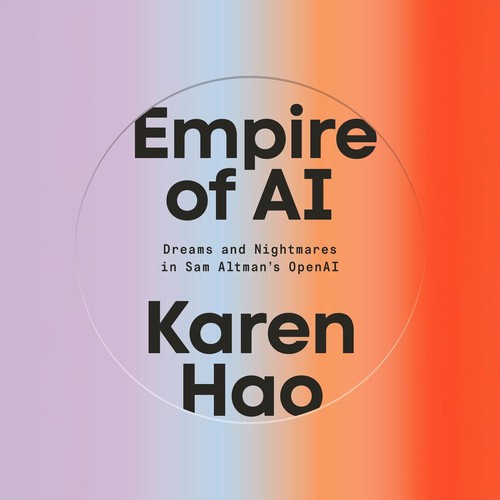
The definitive piece of investigative journalism on OpenAI: 260+ interviews, the clash between safety and speed, and the attempted firing of Sam Altma
As an Amazon Associate, Zendoric earns from qualifying purchases; the price does not change for you. · all our recommended books →
🔗 Related on Zendoric
- A New York district will bring a humanoid robot to class — and its maker comes from the sex-doll business · 2026-07-19
- Sally, the $57,590 robot arriving at a rural high school in New York (and not here to replace anyone) · 2026-07-21
- New York halts an AI robot in the classroom: children's privacy and the maker's past spark controversy · 2026-07-27