California wants to ban AI from setting your price based on who you are, not what you buy

🕒 Published on Zendoric: July 27, 2026 · 00:21
✨ AI-generated · how it's made
California is debating AB 2564, which would bar the use of AI to charge different prices for the same product based on the buyer's profile. Consumer Reports found differences of up to 23% on the same jar of peanut butter, same store, same moment. The tech industry warns of risks to coupons.
📚 Go deeper

AI as the latest chapter in the history of information networks, from gossip to the printing press to the algorithm.
As an Amazon Associate, Zendoric earns from qualifying purchases; the price does not change for you. · all our recommended books →
By Zendoric · July 27, 2026.
In California, buying the same jar of Skippy peanut butter, in the same store and at the same time, can cost one person $2.99 and another $3.69: almost 23% more expensive for the second, according to a Consumer Reports study cited by Justin Brookman, the public interest attorney who represents that organization. The difference does not depend on a coupon or the time of day: it depends on what the system knows about who is buying.
That mechanism has a name: surveillance pricing, the practice of using personal data — location, browsing history, device, purchasing habits — to calculate an individualized price instead of a single price for everyone. Assembly Bill (AB) 2564, brought forward by Assemblymember Chris Ward (Democrat, San Diego) under the name Surveillance Pricing Act, seeks to ban this practice for California retailers. The text cleared the Assembly with 42 votes in favor and 21 against on May 27, and on June 22 it advanced through the Senate Privacy, Digital Technologies and Consumer Protection Committee by 5 votes to 2; it now awaits its turn in the Judiciary Committee.
Ward frames the problem in terms of scale: "surveillance pricing is a growing phenomenon that a lot of people don't know is already happening," he told California Black Media. The bill's backers add a racial dimension: according to the Electronic Frontier Foundation (EFF), a leading digital rights organization, these algorithmic models lean heavily on ZIP codes and localized demographic data, which tends to translate into higher prices for Black and non-white communities. There are, according to the source, no precise public figures on how many Black Californians are affected today; it is a reasoned inference from how the system works, not a closed measurement, and it should be read with that caution.
The opposition comes from a coalition of technology companies and associations that consider AB 2564's wording too broad. Chamber of Progress, an association representing the digital industry, argued in a letter to the Assembly that the rule would also eliminate the personalized digital coupons many families rely on to stretch their budgets, and that it opens the door to costly litigation against small retailers. Robert Singleton, its policy director for California and the West Coast, sums it up like this: he shares the concern about the cost of living, but believes the law, as drafted, could end up harming the families it says it protects. Even a supportive legislator, Democratic Assemblymember Lori Wilson, voted in favor in May while still warning about that risk: every retailer that litigates passes that cost on to the final price for everyone.
As industry context, this fight is not exclusive to California: it is the logical continuation of the wave of data privacy laws that began with the CCPA (California Consumer Privacy Act) and now targets the next link in the chain, the commercial use of that data to decide what each person is charged. Dynamic pricing is not new — airlines and ride-hailing apps have been adjusting fares according to demand for years — but the leap that worries people here is different: it is not the market that moves the price, it is the person's profile. That boundary is exactly what this kind of law tries to draw, and it will not be the last: other states are already legislating or investigating in the same direction.
Our take is that this is precisely the kind of AI regulation we advocate: based on evidence, not on panic. Consumer Reports is not denouncing a hypothesis, it provides a controlled test — same product, same store, same moment — with a measurable price difference, a higher standard than most debates about algorithms, which usually stop at suspicion. At the same time, the industry's objection about litigation and legitimate coupons is not just public relations: a poorly calibrated law can make commerce more expensive for everyone, including the promotions that do benefit the consumer. The real challenge for the Judiciary Committee is not choosing between AI yes or AI no, but distinguishing with legal precision between personalization that informs — a loyalty discount, a volume coupon — and personalization that extracts — charging more because the system calculates that you, specifically, would pay more.
In the long run, the same data and model infrastructure that today makes it possible to calculate how much can be squeezed out of each shopper is, potentially, the one that would allow the opposite: dynamic subsidies that lower the price for those who need it most, instead of raising it for those who can least afford it. The technology does not decide the direction; that is decided by who governs it and the incentives under which it is deployed. Laws like AB 2564 do not hold AI back: they try to ensure that its first major commercial use is not, once again, charging more to those who have least.
📚 Go deeper
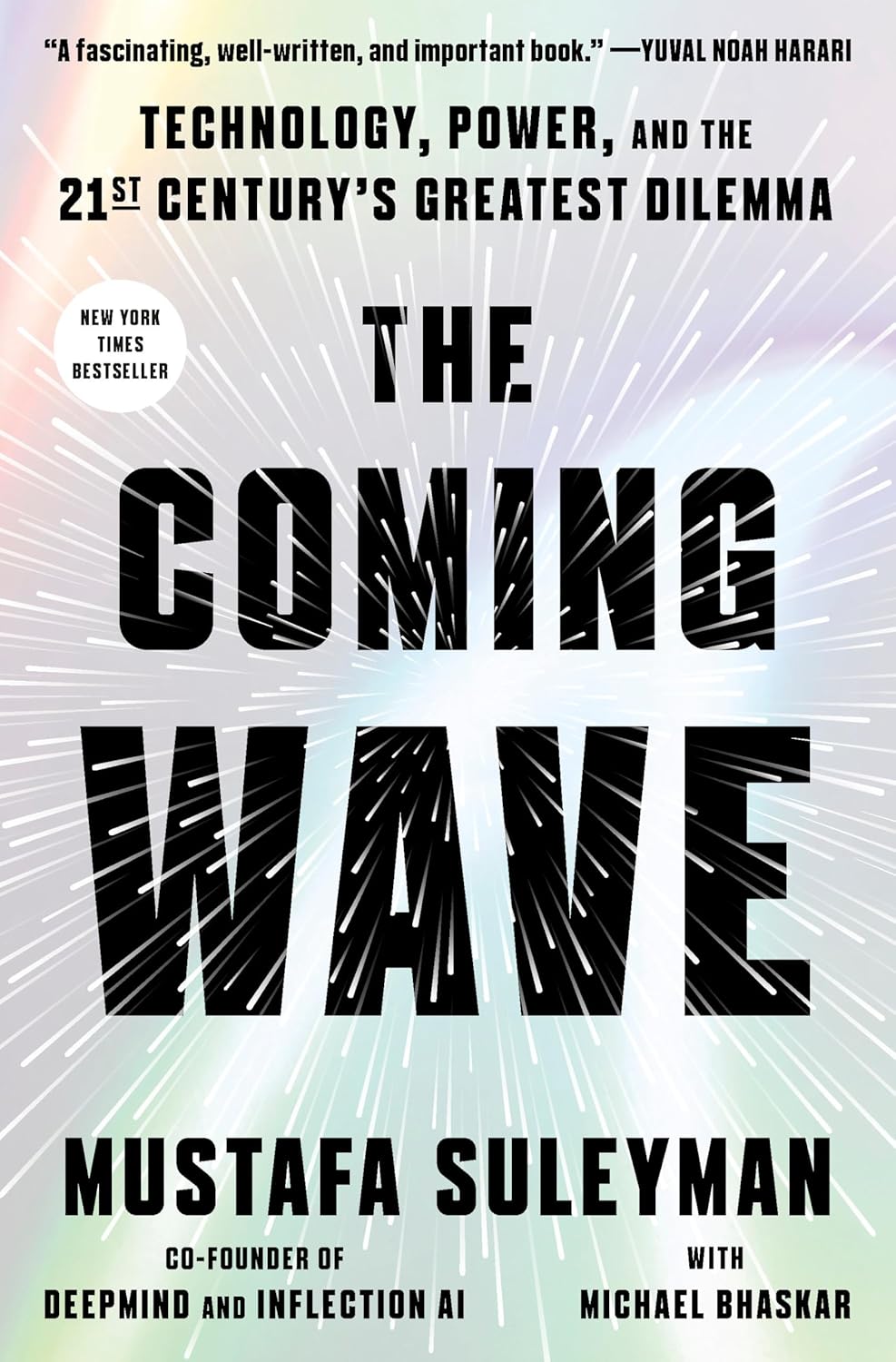
DeepMind co-founder on the dilemma of containing technologies that do not want to be contained.

The book that started the existential-risk debate and that half the industry still cites.
As an Amazon Associate, Zendoric earns from qualifying purchases; the price does not change for you. · all our recommended books →
🔗 Related on Zendoric
- When the state shuts down a model: the Fable 5 case redefines who's in charge of frontier AI · 2026-06-25
- RAMageddon: when even Apple breaks its sacred rule, we know the crisis is historic · 2026-06-27
- Hasbro Asks Child Voice Actors to Hand Their Voices to AI: A Test Case for Consent in the Synthetic Era · 2026-06-28