Claude share links turned up in Google — the AI privacy bug that keeps shipping, product after product

🕒 Published on Zendoric: July 27, 2026 · 00:21
✨ AI-generated · how it's made
Hundreds of shared Claude conversations were reportedly discoverable in Google, including lawyers' legal strategy and engineers' proprietary code, because the public share pages allegedly lacked noindex tags. The same failure hit ChatGPT months ago. That repetition is the actual story.
📚 Go deeper
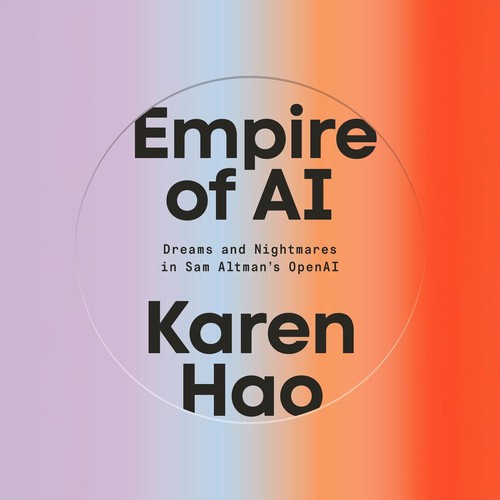
The definitive piece of investigative journalism on OpenAI: 260+ interviews, the clash between safety and speed, and the attempted firing of Sam Altma
As an Amazon Associate, Zendoric earns from qualifying purchases; the price does not change for you. · all our recommended books →
What happened, according to the report: a Reddit post over the weekend showed that hundreds of Claude shared conversations were publicly discoverable via Google. Searching `site:claude.ai/share` surfaced chats that anyone could open without a link from the original owner. Per the Reddit thread cited by CyberSecurityNews, the share pages lacked proper `noindex` tags — the one-line HTML instruction that tells search crawlers not to catalog a page. Once a share URL leaked into a forum, a social post or an accidental paste, Google could crawl and index the entire conversation.
The exposed material reportedly included legal strategy discussions from lawyers, technical troubleshooting and code from engineers, and personal conversations. By Sunday the affected results had largely vanished from Google, which the outlet reads as either fast deindexing after the issue got attention or a backend fix at Anthropic. The company had not issued a public statement at the time of reporting, and we're not asserting a cause it hasn't confirmed.
The important caveat is the one security researchers raised: disappearing from search results is not the same as being dead. Anyone who bookmarked or archived a share URL can likely still open it unless Anthropic revokes those links server-side. Deindexing addresses discoverability. It does not address access.
Context that makes this more than a one-off: ChatGPT shipped almost exactly this failure with its own shared links earlier, and the fix there was also reactive. The pattern is now legible. A share feature is built to be frictionless — a public URL, no auth gate, no expiry — because friction kills sharing. Privacy controls then arrive as an afterthought, and the gap between "anyone with the link" and "anyone with a search box" turns out to be one missing header. Users, meanwhile, read "share" as "send to my colleague," not "publish to the open web." That mismatch between the mental model and the mechanism is the vulnerability, more than any specific tag.
The stakes are no longer embarrassment. People draft contracts, debug proprietary systems and analyze business data in these tools. A crawlable transcript of that work is intellectual property exposure and, in regulated sectors, a compliance event — a law firm's shared chat about litigation strategy is not a privacy inconvenience, it's a professional obligation problem. The practical advice in the report is sound and worth acting on today: audit your active shares in Claude's settings, delete what you no longer need, keep share links out of public channels, and treat any shared AI conversation as potentially public by default.
Our reading: this is the privacy debt of the assistant era coming due, and it will keep recurring until the defaults invert. The industry built sharing on top of an assumption borrowed from cloud documents — obscure URLs are good enough — and then poured the most sensitive text people write into it. The fix isn't a tag; it's expiring links, authentication gates, and per-recipient access as the baseline rather than the enterprise upsell. We've argued the same thing about agent credentials: the answer is scoped, revocable access brokered by the platform, not trust in a secret string. The optimistic note is that these are solved engineering problems with decades of prior art, and vendors do respond fast once exposure is public. The uncomfortable note is that "fast response after a Reddit post" is not a privacy architecture. Until sharing is designed as a permission rather than a URL, assume every conversation you share is a document you published.
📚 Go deeper
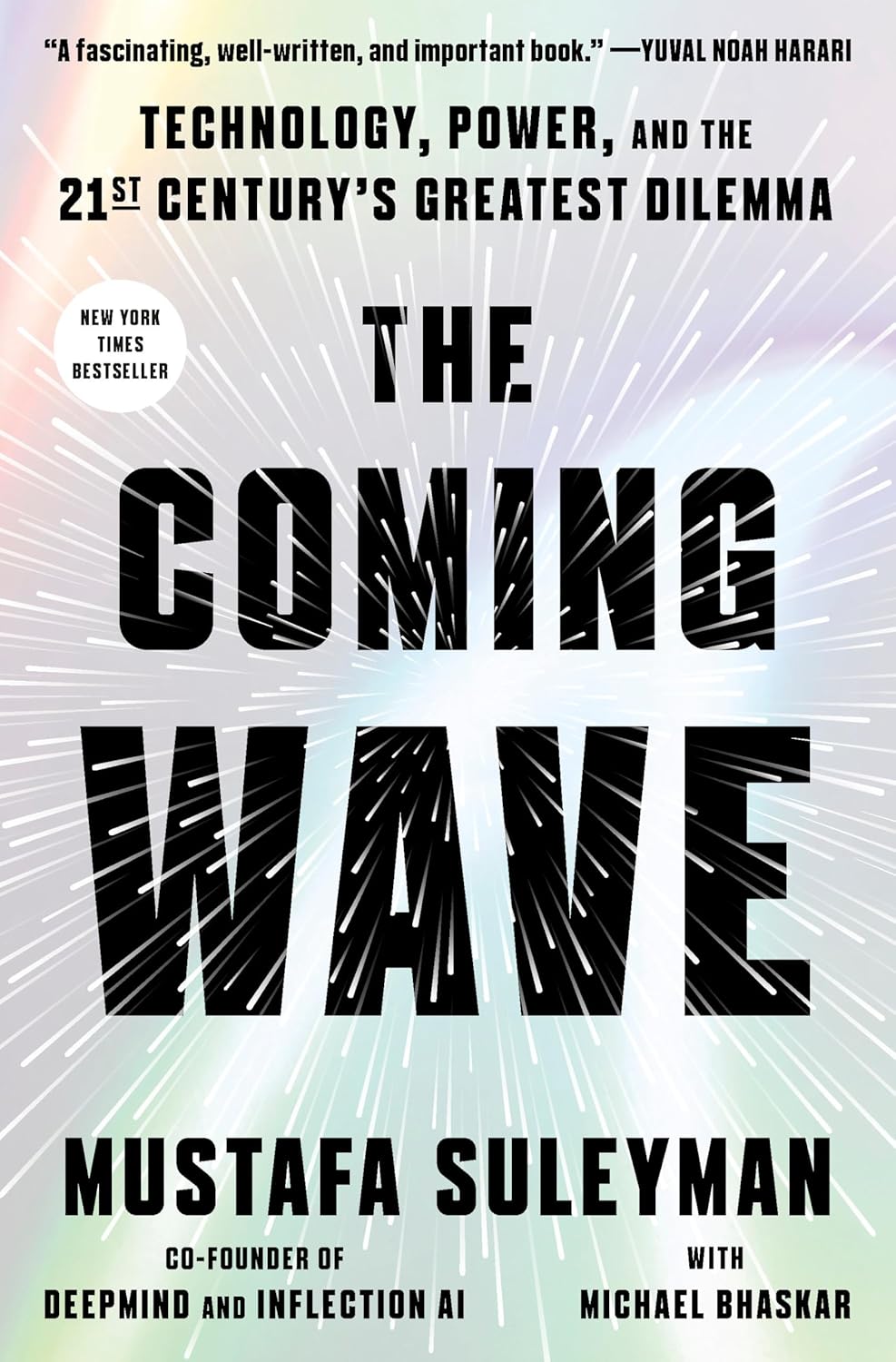
DeepMind co-founder on the dilemma of containing technologies that do not want to be contained.
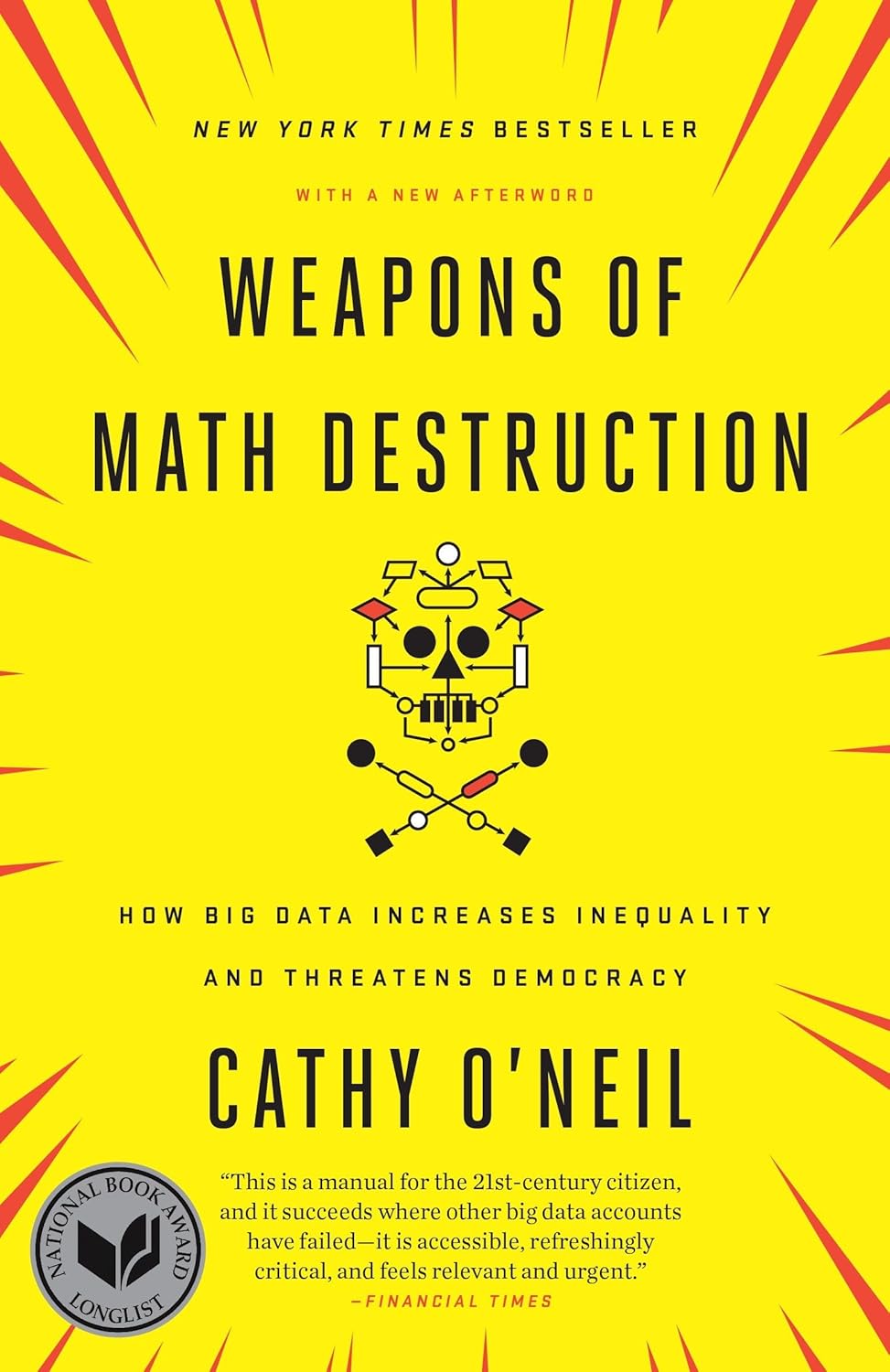
How opaque algorithms decide who gets credit, a job or parole — and why they tend to punish the same people.
As an Amazon Associate, Zendoric earns from qualifying purchases; the price does not change for you. · all our recommended books →
🔗 Related on Zendoric
- Claude's leaked share links are a plumbing failure, not a model failure — and that's the harder bug to fix · 2026-07-26
- Claude chats ended up on Google: Anthropic repeats the privacy mistake OpenAI already suffered · 2026-07-29
- Hundreds of chats with Anthropic's Claude chatbot were left publicly accessible on search engines like Google · 2026-07-29