FIRST Tech Challenge México 2026: 30 teams from eight countries and a bet on the skills AI doesn't replace

🕒 Published on Zendoric: July 26, 2026 · 00:23
✨ AI-generated · how it's made
Thirty student teams from eight countries competed with robots at FIRST Tech Challenge México 2026, on the Tecmilenio Ferrería campus. Behind the tournament there is more than trophies: a breeding ground for the skills — judgment, engineering, teamwork — that AI does not replace, but needs.
📚 Go deeper
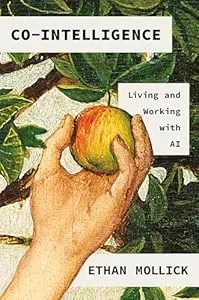
The best starting book if you're not technical: a Wharton professor explains how to work WITH AI — when to delegate, when to supervise, when to keep i
As an Amazon Associate, Zendoric earns from qualifying purchases; the price does not change for you. · all our recommended books →
By Zendoric · July 25, 2026.
Thirty student teams from eight countries gathered at the Tecmilenio Ferrería campus to compete in the FIRST Tech Challenge (FTC) México Premier Event 2026, the Mexican stage of one of the most widespread youth robotics tournaments on the planet. The teams, made up of teenagers between 12 and 18 years old, design, program and compete with robots that must make decisions autonomously during part of each match, according to the event's own report.
FTC belongs to the family of competitions run by FIRST (For Inspiration and Recognition of Science and Technology), a US organization founded in the late 1980s that has since pushed young people around the world to solve engineering challenges with limited resources and time. This is no showcase contest: teams solder, program, fail in public in front of a panel of judges and try again, with both the result and the design process being scored.
The event's own materials in Mexico frame it as something more than a competition: a space to "discover talent" and build the skills the labor market of the artificial intelligence era will demand. It is a reading we share, though with caveats.
Our take: tournaments like this train precisely the opposite of what generative AI is automating first. As we have noted in our sector-by-sector analysis of AI's impact on employment, routine and administrative work is the most exposed, while judgment under pressure, physical iteration and teamwork hold up better. A teenager who spends a weekend debugging a robot that fails live, in front of a panel of judges, is training exactly the kind of muscle — diagnosis, decision-making, collaboration — that no language model replaces on its own.
That does not erase the underlying problem: access to this kind of training — mentors, robotics kits, trips to international tournaments — remains unequal across countries, schools and families, and that inequality is one of the short-term costs the transition to AI exposes most starkly. But it also points in the right direction: the more young people who reach the next decade knowing how to orchestrate technology instead of competing against it, the closer we will be to the abundance AI promises being shared out rather than merely concentrated.
📚 Go deeper
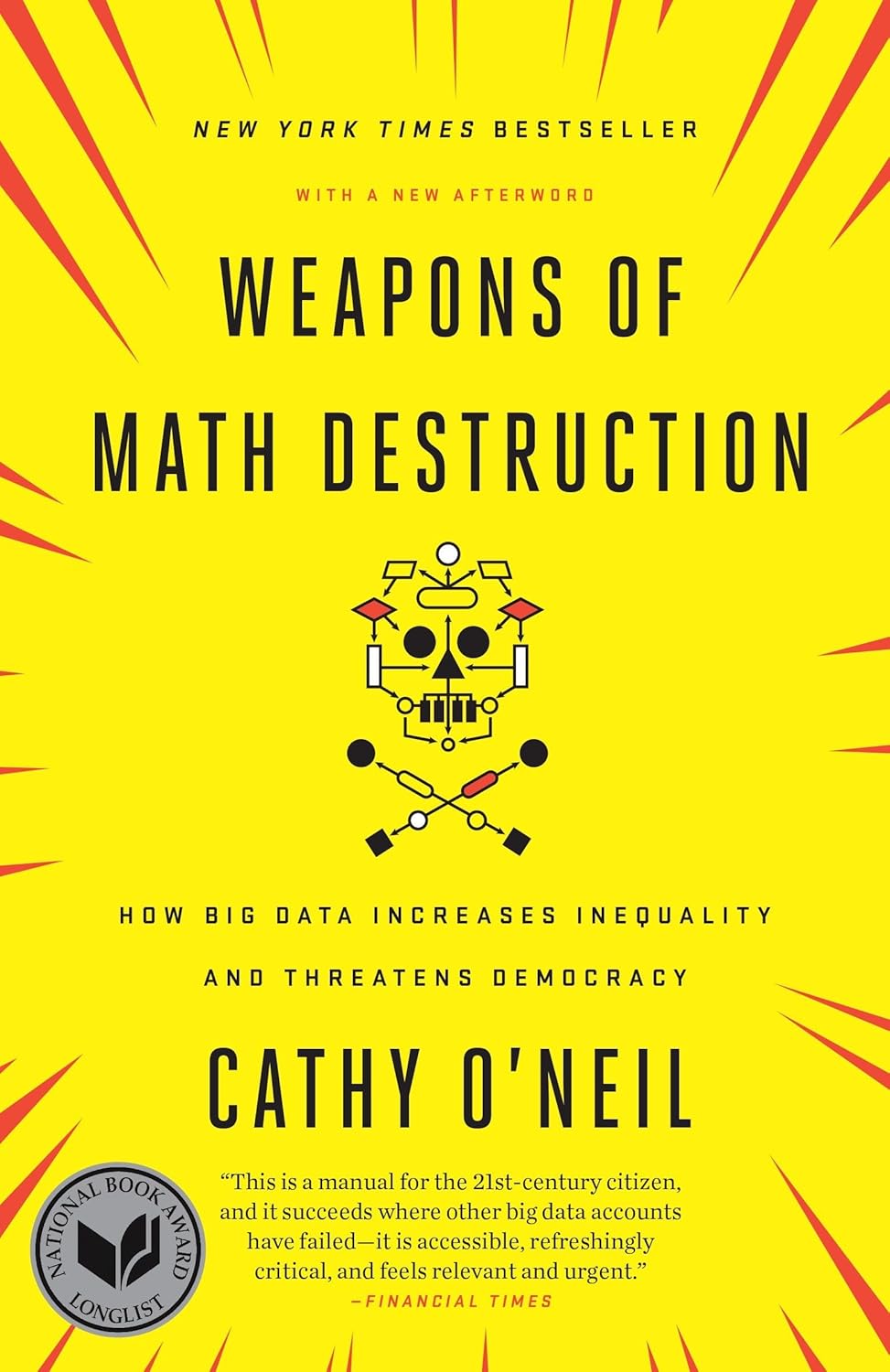
How opaque algorithms decide who gets credit, a job or parole — and why they tend to punish the same people.

DeepMind co-founder on the dilemma of containing technologies that do not want to be contained.
As an Amazon Associate, Zendoric earns from qualifying purchases; the price does not change for you. · all our recommended books →
🔗 Related on Zendoric
- Amazon Shuts Its AGI Lab After 18 Months: It Decided Renting the Frontier Beats Building It · 2026-07-28
- Chicago bans laptops for first-year law students: betting that human judgment, not AI, still earns the degree · 2026-07-16
- A Greenwich school cuts classes to two hours a day with AI: the rest, life skills · 2026-07-21