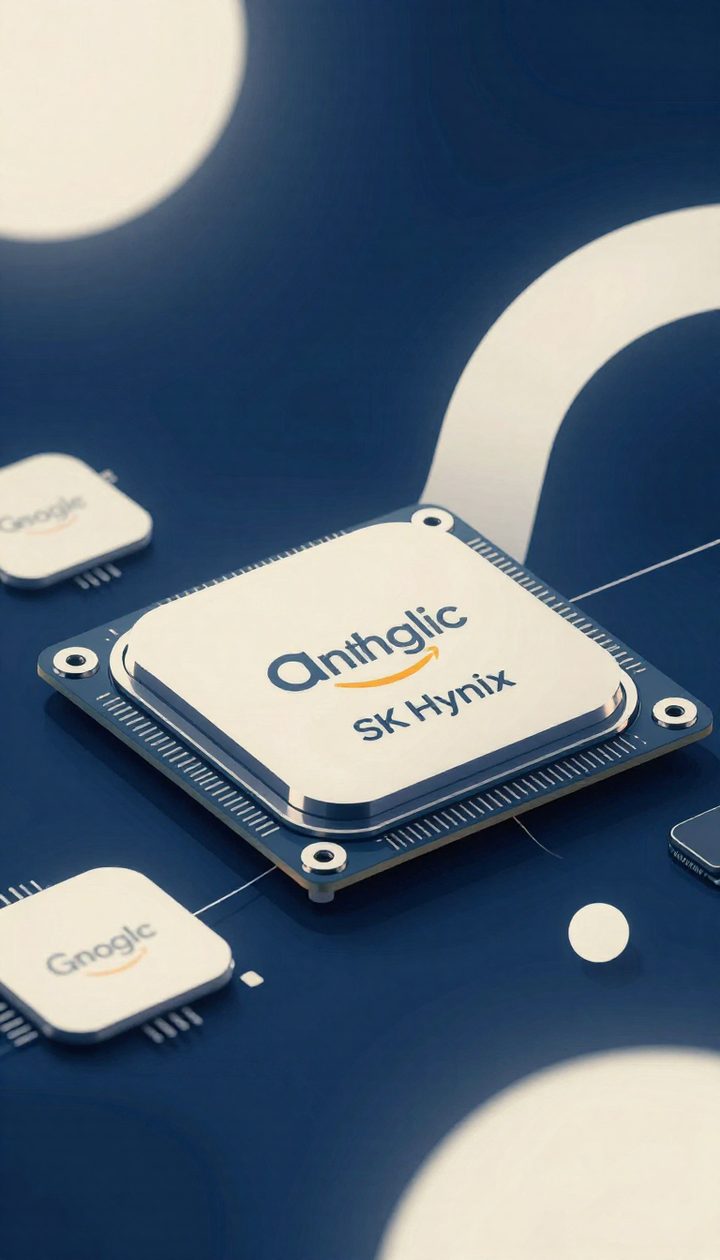
Anthropic no longer just rents chips from Google and Amazon: it asks SK Hynix for parts to design its own
🕒 Published on Zendoric: July 26, 2026 · 00:23
✨ AI-generated · how it's made
Anthropic asked SK Hynix, the South Korean memory giant, for supplies to build its own AI chips, revealed chairman Chey Tae-won alongside Dario Amodei in San Francisco. The startup, today a customer of Google's TPUs and Amazon's Trainium, joins the race for in-house silicon.
📚 Go deeper
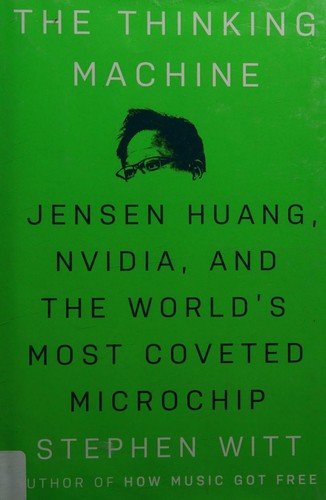
The story of NVIDIA and Jensen Huang: how a video-game card company ended up making the most coveted resource on the planet.
As an Amazon Associate, Zendoric earns from qualifying purchases; the price does not change for you. · all our recommended books →
By Zendoric · July 26, 2026. Anthropic has submitted a supply request to SK Hynix, one of the world's largest memory chip makers, to manufacture its own semiconductors. The disclosure came from Chey Tae-won, chairman of the South Korean conglomerate SK Group —SK Hynix's parent company—, seated next to Anthropic CEO Dario Amodei at a technology event in San Francisco. Chey called it "extraordinary" that an AI company has its own chip ambitions.
The revelation came in parallel with the Silicon Valley visit of South Korean President Lee Jae-myung, who convened an AI summit at which several technology deals were announced, among them Nvidia partnerships with South Korea's Naver and with SK Group itself. Fortune, which relays Chey's words via Bloomberg, does not detail what kind of chip Anthropic is after or what stage the request is at: only that the company has submitted a supply request to SK Hynix.
The source provides no background on the move: it does not specify how long Anthropic has been exploring designing its own chips, which industrial partners it would work with, or what stage the project is at. Nor is there any information about a dedicated team or about settled decisions on what the chip will do or how much power it will need.
What matters here is the direction, not the detail. Anthropic today depends almost entirely on third parties for its compute: it uses the TPUs (processing units designed by Google for AI) of its investor Google —under a large-scale capacity access agreement whose exact figure the source does not detail— and Amazon's Trainium chips, with close to 500,000 Trainium2 units operating at the Rainier facility in Indiana. Now testing the waters with its own silicon places it on the same path already travelled by Google with its TPUs, Amazon with Trainium and Meta with its MTIA: all began by buying Nvidia GPUs and ended up designing chips tailored to their own models.
Our take: the generative AI business has become so compute-intensive that not even the sector's flagship lab can afford to depend on external suppliers alone. Designing its own chip —even if only for inference, the most repetitive phase and the one that weighs most on the bill once the model is already trained— is a bet on lowering the cost per token and gaining independence from Nvidia, which continues to capture the bulk of the sector's margin. But it is also an expensive and slow bet: a competitive AI chip takes years to design, requires a specialized team and competes for the same bottleneck —advanced manufacturing and high-bandwidth memory (HBM) packaging— that is already saturating the entire industry.
Overall, the week confirms that the AI semiconductor board is being reshuffled beyond Nvidia: the same day Anthropic's request to SK Hynix emerged, it became known that Samsung had won a $200 billion contract to supply chips to Broadcom, another of the sector's big custom silicon designers. This race for an in-house chip is not a whim: it is a symptom that AI, in order to fulfil its promise of making compute cheaper and more widespread —the step before the abundance we champion at Zendoric—, first needs to solve its own hardware bottleneck. In the short term that means more capital concentrated in very few hands and an infrastructure race that leaves small labs further behind; in the long term, if Anthropic and its peers truly manage to bring down the cost of intelligence, we will have taken a structural step towards that abundance.
📚 Go deeper
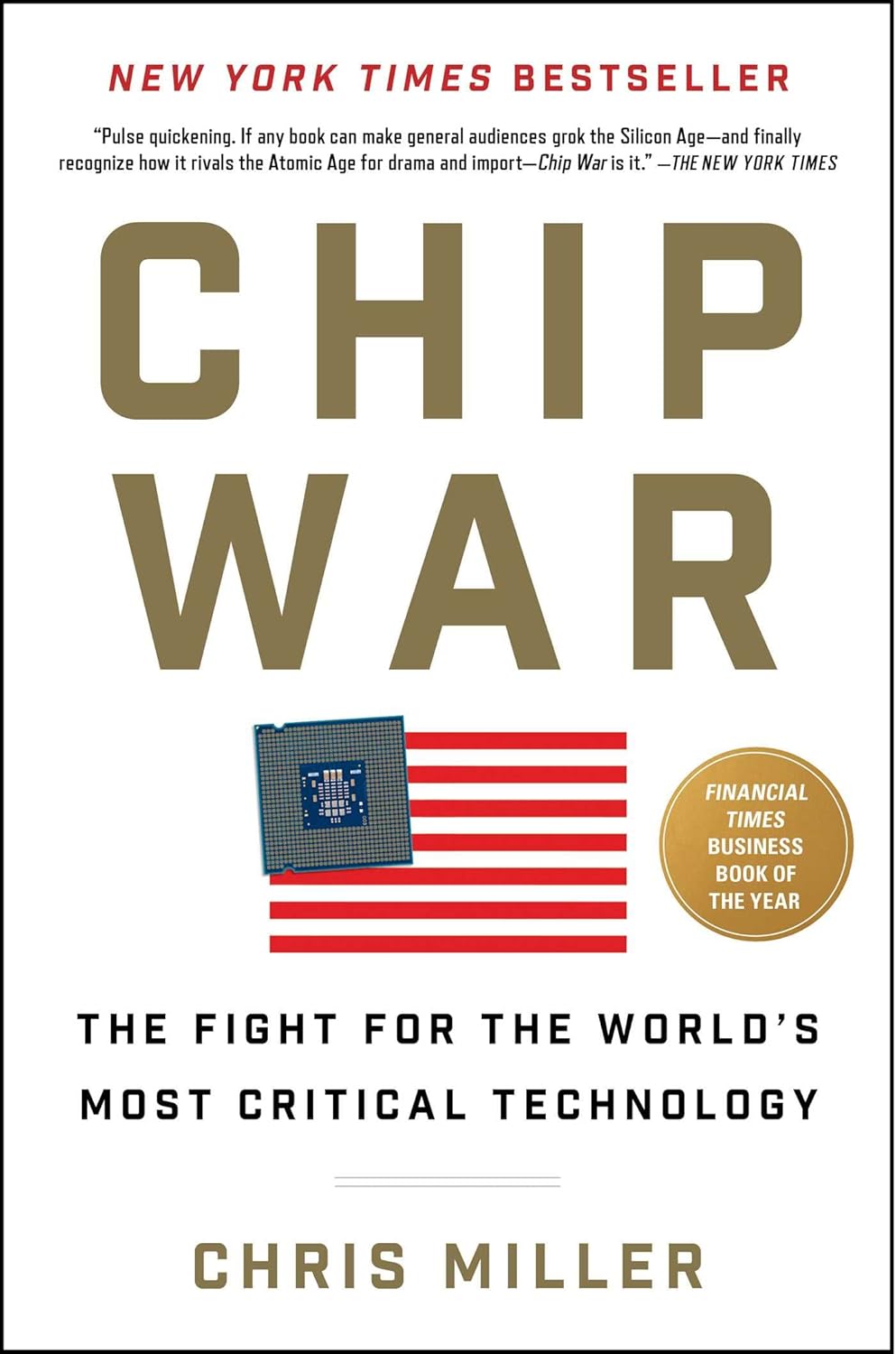
Semiconductors as the oil of the 21st century: history, espionage, and why an island of 23 million people underpins the entire AI economy.
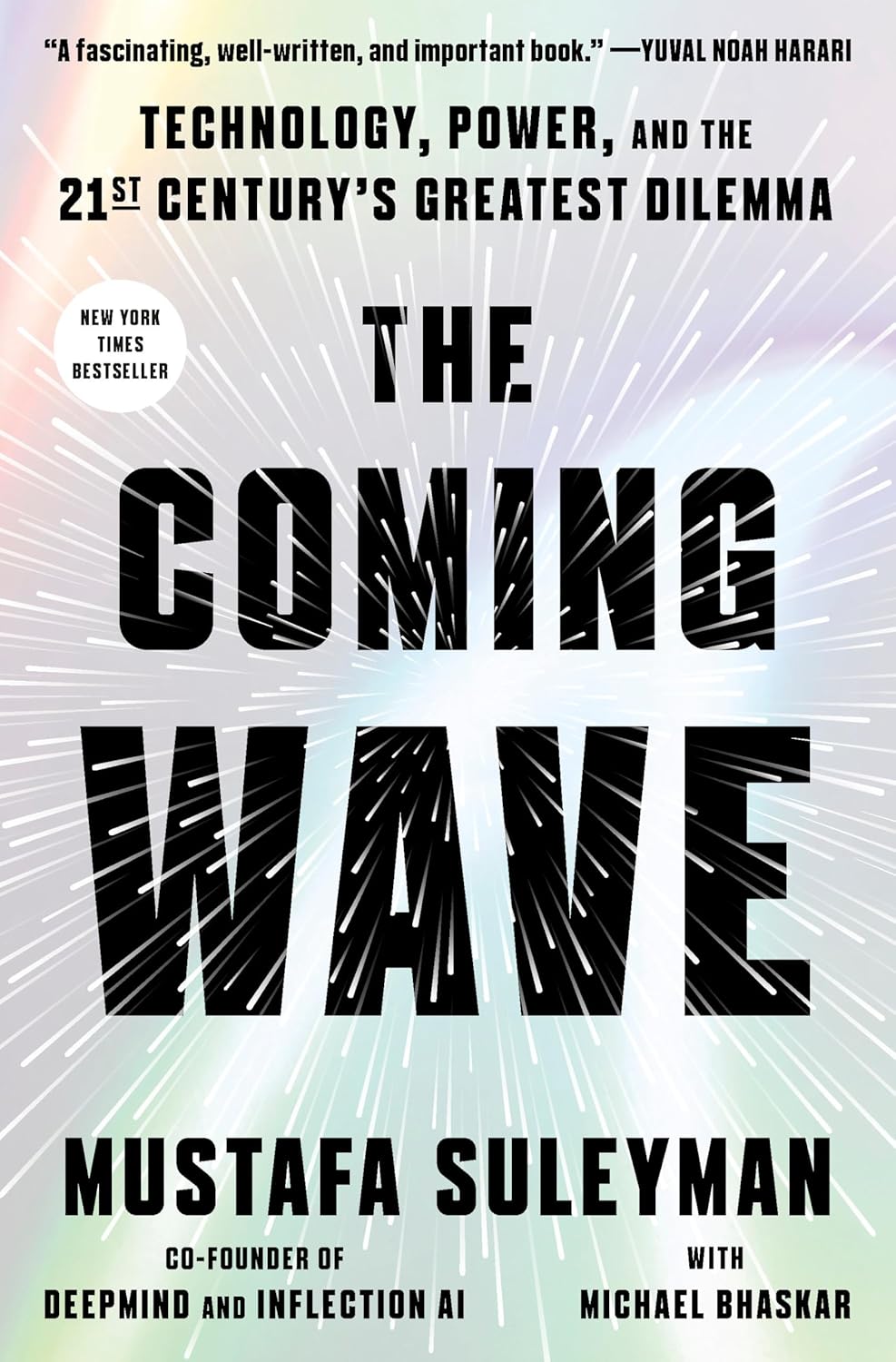
DeepMind co-founder on the dilemma of containing technologies that do not want to be contained.
As an Amazon Associate, Zendoric earns from qualifying purchases; the price does not change for you. · all our recommended books →
🔗 Related on Zendoric