Alphabet's record profit is a mirage: AI burns through cash while its Anthropic bet soars on paper

🕒 Published on Zendoric: July 24, 2026 · 00:29
✨ AI-generated · how it's made
Alphabet says it has quadrupled profit, but one analyst warns: it's accounting, not operational. The company posted its first quarter with negative free cash flow while AI spending surges, and its paper gains come from revaluing stakes like Anthropic, whose holding in Alphabet's hands already stands at around $124 billion according to Bloomberg.
📚 Go deeper
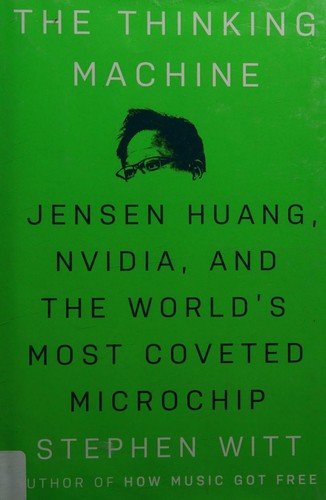
The story of NVIDIA and Jensen Huang: how a video-game card company ended up making the most coveted resource on the planet.
As an Amazon Associate, Zendoric earns from qualifying purchases; the price does not change for you. · all our recommended books →
By Zendoric · July 24, 2026.
Alphabet has just reported a profit that, on paper, has quadrupled. But, as MarketWatch reports citing a Wall Street analyst, that growth is "illusory": Google's parent company posted in the same quarter its first-ever negative free cash flow, just as it has raised its capital expenditure guidance (capex, the investment in physical infrastructure) to leave the door open to exceeding $200 billion for the year.
The accounting trick, though legal and common, has a name: Alphabet holds stakes in private companies—among them SpaceX and Anthropic—that it must mark to market each quarter and book directly to its income statement, even without selling a single dollar of those shares. If the implied value of those companies rises, Alphabet's profit rises with it, without a single euro of real cash coming in. It's the U.S. accounting standard for equity instruments (ASU 2016-01, in effect since 2018), and it explains why a company can boast a record profit in the same quarter it runs out of free cash flow for the first time in its history.
The second data point, published by Bloomberg and also picked up by the press covering Anthropic, quantifies one piece of that mirage: Alphabet's stake in Anthropic has risen to around $124 billion. It's a notable jump in the book value of a single investment, and a sign of just how much the private generative AI market has appreciated in just a few quarters. Alphabet is not only a cloud and chip (TPU) provider for Anthropic; it is also a shareholder, and that dual role—investor and infrastructure provider—is increasingly common among the cloud giants (Microsoft-OpenAI, Amazon-Anthropic follow the same pattern).
The underlying story, however, is not in Anthropic's revaluation, but in what Alphabet is spending to avoid falling behind in the AI race. Exceeding $200 billion in annual capex—essentially data centers, chips, and energy capacity—is an unprecedented figure for the company, and it explains why the business has begun consuming cash instead of generating it. Wall Street has spent months debating whether that pace of investment is sustainable or whether we are facing an overcapacity that will take years to pay off.
Our reading: this is not a sign of fraud or accounting cosmetics—the standard is the same for the entire sector—but it is a symptom of a broader problem worth watching. When much of the big tech companies' profit depends on how their own cross-bets in AI startups are revalued, the balance sheet becomes harder to read and more sensitive to a shift in private-market sentiment: if those valuations drop, the same mechanism that inflates profit today will deflate it tomorrow. It's the accounting flip side of the AI infrastructure bubble we've been discussing for months: the spending on data centers is real and is paid in cash; the revaluation of stakes is on paper and can evaporate.
In the short run, this feeds reasonable caution about the pace of AI investment: when a company the size of Alphabet burns cash for the first time in its history, it's a sign that the spending cycle is at a point of real tension, not just rhetorical. In the long run, we continue to believe that this infrastructure—the data centers, the chips, the energy—is precisely what's needed for AI to go from demo to basic utility and, over time, to bring about the abundance we talk about at Zendoric. But the road there runs through quarters like this one, in which the headline profit and the real financial health tell different stories.
📚 Go deeper
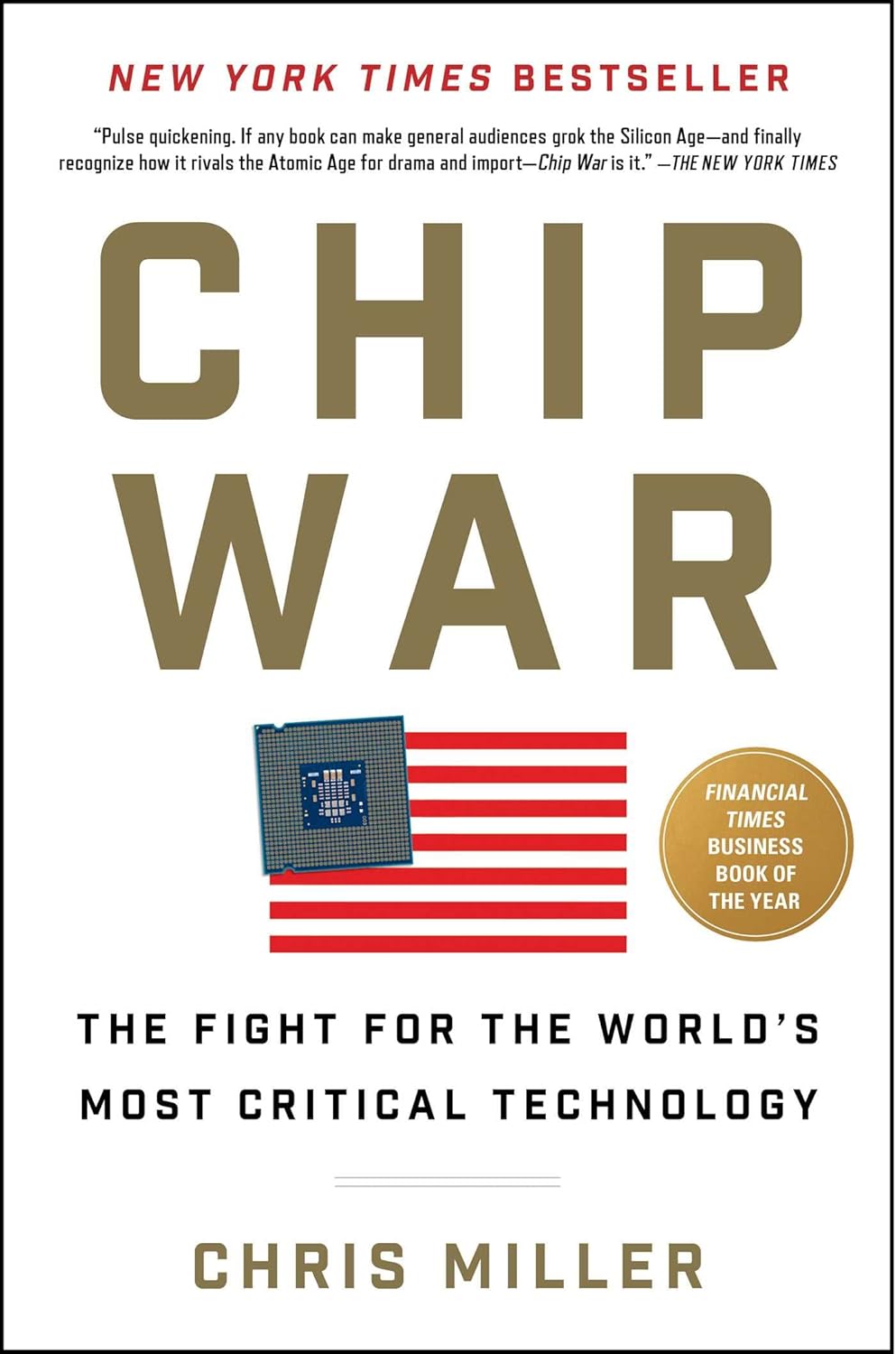
Semiconductors as the oil of the 21st century: history, espionage, and why an island of 23 million people underpins the entire AI economy.
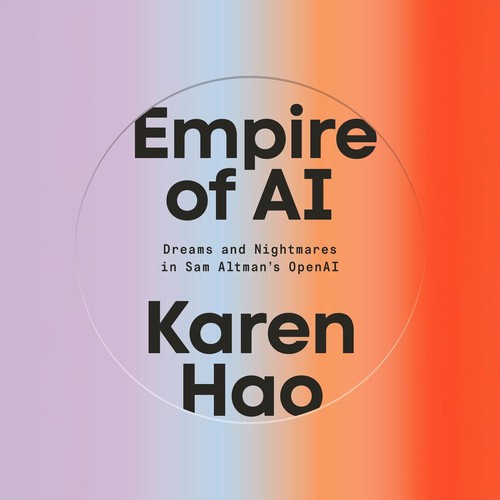
The definitive piece of investigative journalism on OpenAI: 260+ interviews, the clash between safety and speed, and the attempted firing of Sam Altma
As an Amazon Associate, Zendoric earns from qualifying purchases; the price does not change for you. · all our recommended books →
🔗 Related on Zendoric
- Arm falls 11% even as demand for its AI chips exceeds its manufacturing capacity twentyfold · 2026-07-09
- Anthropic bills like infrastructure, not like an app: how it's gaining ground on OpenAI in the enterprise · 2026-07-09
- Meta negotiates renting its cloud to Anthropic, its rival in models, in a twist that betrays the real problem with its AI spending · 2026-07-19