Inkling: the ~975B-parameter model that activates only 41B per token
🕒 Published on Zendoric: July 23, 2026 · 00:24
✨ AI-generated · how it's made
The article describes Inkling, a language model best understood not as a single 975-billion-parameter brain that fully activates on each inference, but as a huge store of specialized capacity of which only a small fraction is used at each step.
📚 Go deeper

The only novel on the list, by a Nobel laureate: an artificial friend observes humans with a blend of lucidity and innocence no essay achieves.
As an Amazon Associate, Zendoric earns from qualifying purchases; the price does not change for you. · all our recommended books →
By TheSequence · July 22, 2026.
The article describes Inkling, a language model best understood not as a single 975-billion-parameter brain that fully activates on every inference, but as a vast store of specialized capacity of which only a small fraction is used at each step. The centerpiece of this architecture is a "router" that, for each token, selects a reduced subset of that total capacity. This makes the effective computation (the arithmetic actually executed) sparse, even though storage, network infrastructure and model deployment still require a very large scale.
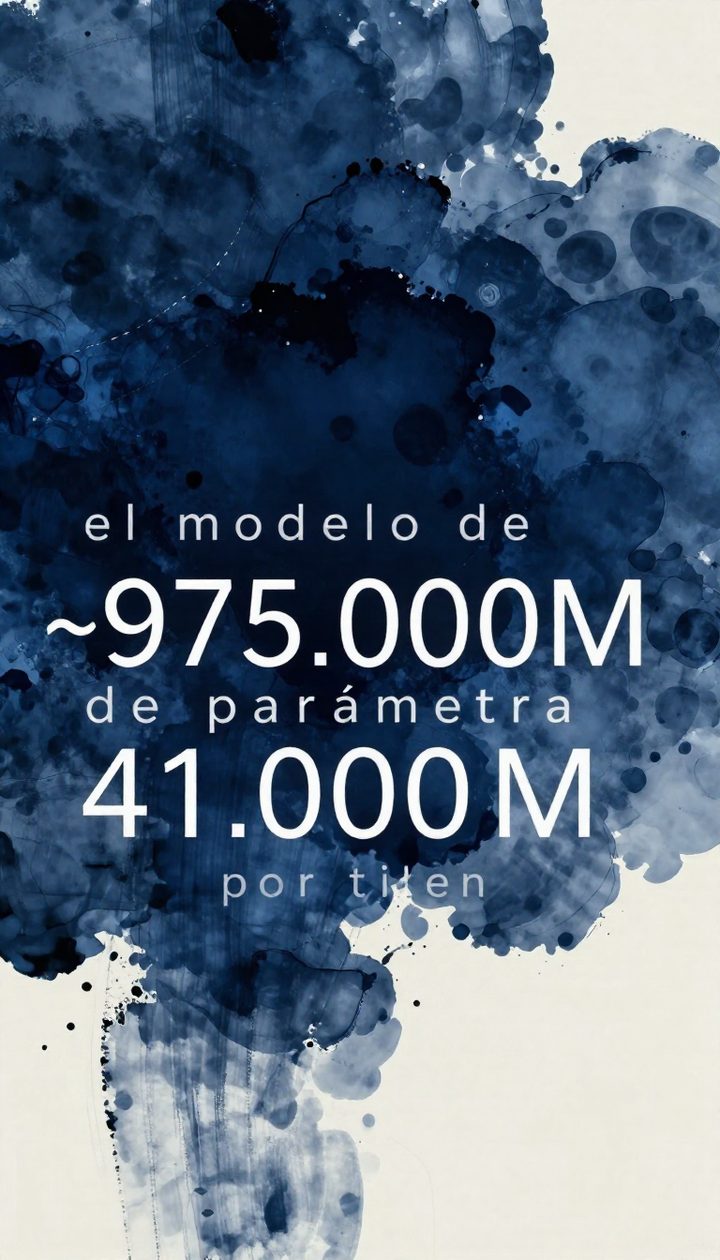
The figure that leads the description of Inkling is its total size: 975 billion parameters, a number that, according to the text itself, is close enough to a trillion that the difference only matters to accountants. The most relevant figure, however, is the one that accompanies it: barely 41 billion parameters are activated per token processed. Put another way, the model has an enormous total capacity, but any individual word passing through the network only touches around 4.2% of that capacity.
To explain how this mechanism works, the newsletter turns to an analogy: imagine a university with 256 specialized departments on each relevant floor. When a token arrives, the whole university is not summoned to attend to it. Instead, a "dispatcher" chooses six departments that seem useful for that specific token, adds two general-purpose departments that always take part, combines the work of all of them and moves on to the next token. As an example of this dynamic specialization, the text notes that a line of Python code might summon a different set of specialists than a sentence in Greek, the label on a diagram or a fragment of audio would.
The body of the newsletter received is incomplete (it cuts off right after these examples, before continuing the technical explanation), so no further details are available about the architecture, benchmark performance, the lab or team behind Inkling, or comparisons with other mixture-of-experts (MoE) models such as those of competitors. In general, this type of "mixture-of-experts" design with per-token routing is an established trend in the sector for large-scale models, since it allows the model's total capacity to be scaled without proportionally driving up the computational cost per inference, though this is general industry context and not a specific claim made in the newsletter about Inkling.
📚 Go deeper
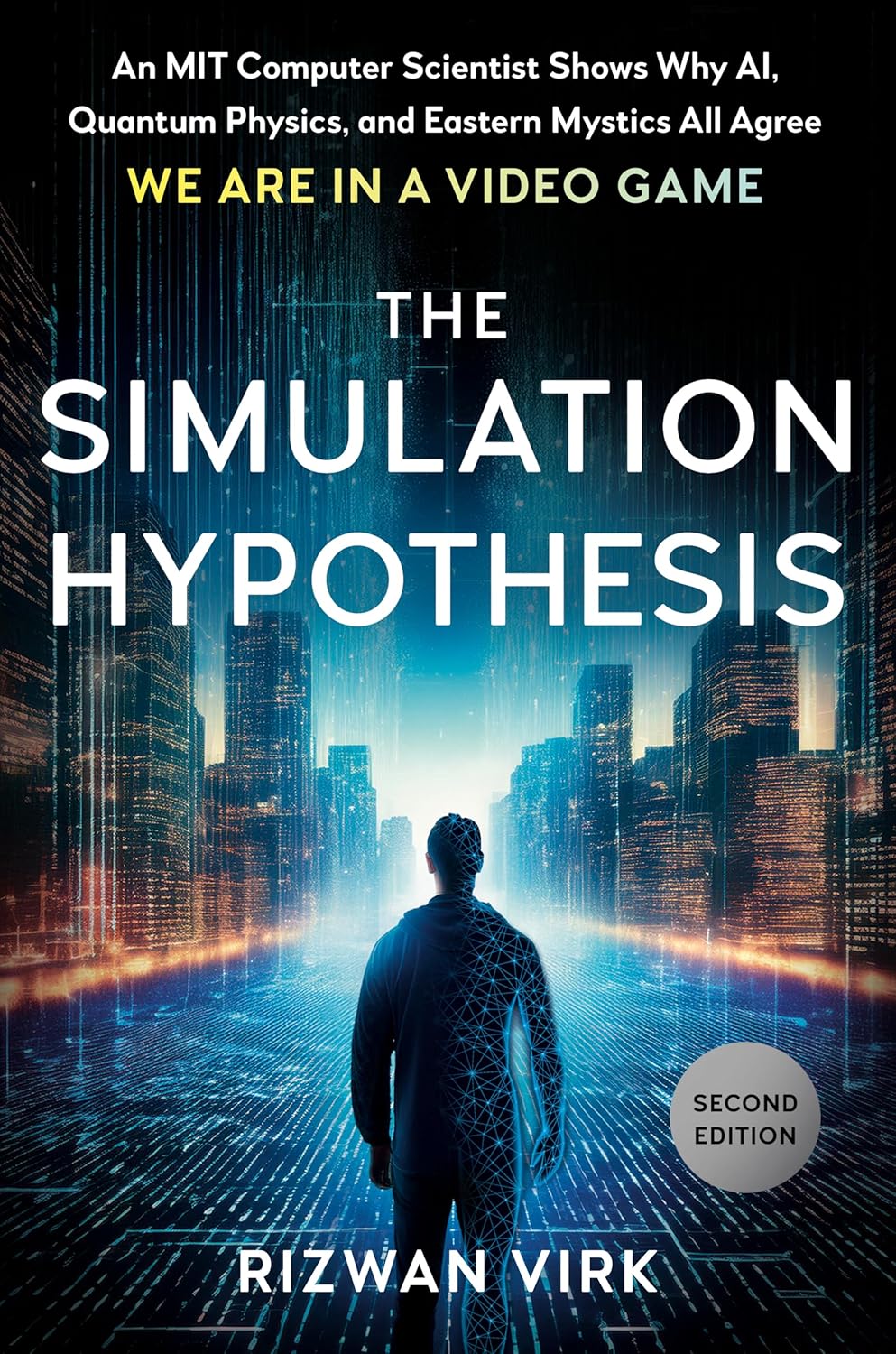
An MIT computer scientist connects AI, quantum physics and video games to take an uncomfortable question seriously: what if we live in a simulation? M

The memoir of the creator of ImageNet, the scientist who made the deep learning revolution in vision possible.
As an Amazon Associate, Zendoric earns from qualifying purchases; the price does not change for you. · all our recommended books →
🔗 Related on Zendoric
- Palo Alto Networks and CrowdStrike post their best quarter ever, driven by AI-linked cybersecurity demand · 2026-07-03
- mlx-serve: frontier AI now fits on a Mac, with no cloud or subscription — the symptom of a deeper shift · 2026-07-04
- Anthropic discovers 'J-space': a hidden global workspace where Claude thinks without saying it · 2026-07-08