The week AI turned political, personal and strange: Chinese models, Google and digital companies

🕒 Published on Zendoric: July 22, 2026 · 01:59
✨ AI-generated · how it's made
This week the debate over artificial intelligence swung between geopolitics, the economics of the models, users' loneliness and even a pop-culture phenomenon, leaving a shared feeling: the technology is advancing in capability just as the disputes around it grow more confusing.
📚 Go deeper
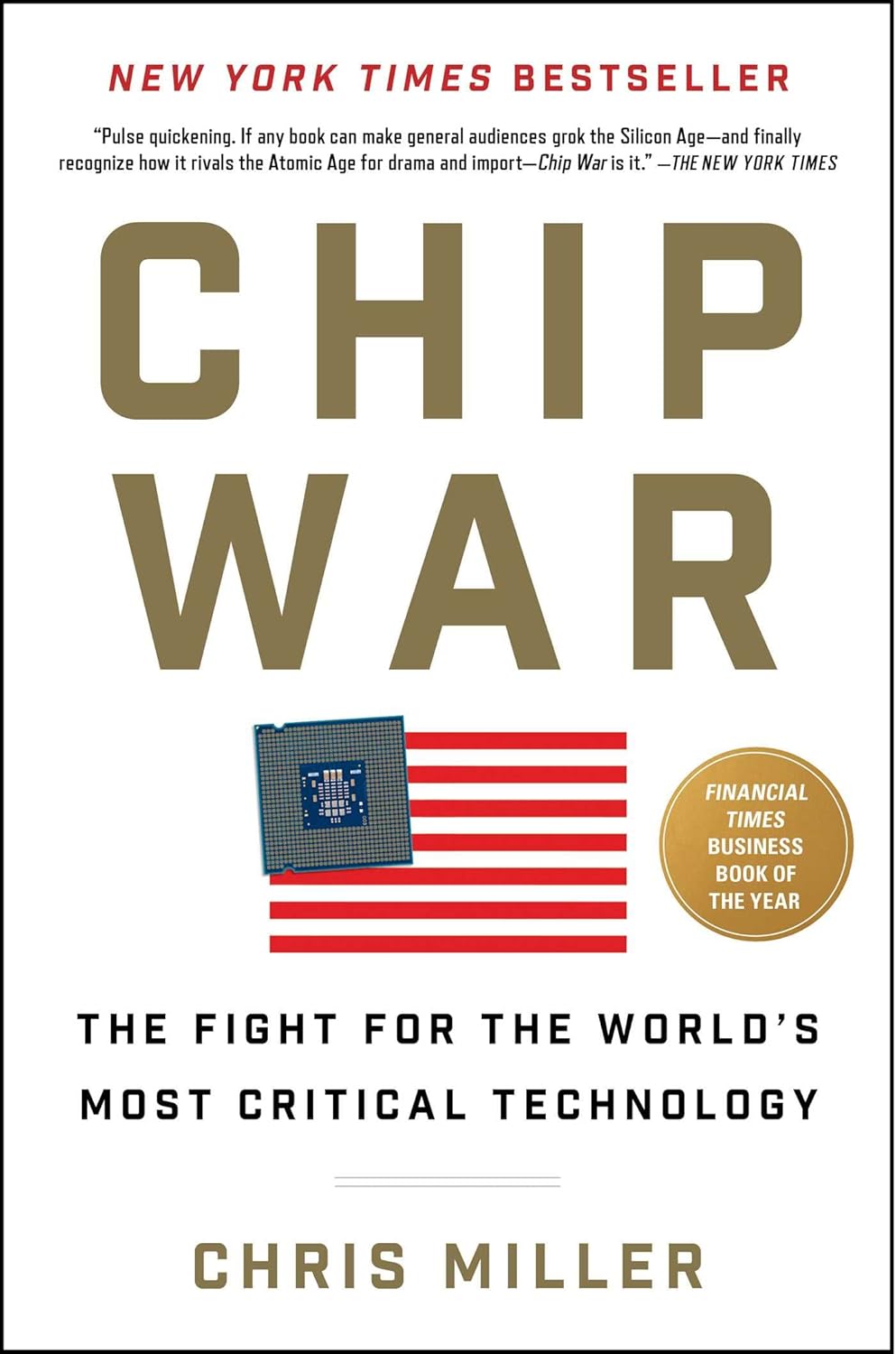
Semiconductors as the oil of the 21st century: history, espionage, and why an island of 23 million people underpins the entire AI economy.
As an Amazon Associate, Zendoric earns from qualifying purchases; the price does not change for you. · all our recommended books →
This week the debate around artificial intelligence swung between geopolitics, the economics of models, users' loneliness and even a pop-culture phenomenon, leaving a shared feeling: the technology is advancing in capability just as the disputes surrounding it grow more confusing.
The first front is that of open-source models turned into a matter of foreign policy. The possibility of a "soft ban" in the United States on Chinese open-source models is raised: no formal law would be needed, it would be enough for the government to signal that using them means coming under scrutiny for many companies to steer clear out of caution. The paradox is that this pressure collides with uncomfortable technical data: it is mentioned that the Chinese model Kimi K3 reportedly detected 15 serious security flaws that other models, identified as Codex and Fable, failed to find. When a foreign model is both cheap and useful, the idea of "just not using it" stops sounding like a complete strategy, and cleanly separating national security from commercial competition seems increasingly difficult.
Tied to this is an argument about how to truly measure the cost of using these models. The core idea is that tokens are not interchangeable: a cheap token that requires twice as many steps to complete a task does not necessarily represent a saving. The case of Kimi K3 is cited, with a price per token roughly half that of Fable, but which reportedly consumed about twice as many tokens to solve the same job, leaving the real cost per task surprisingly similar between the two. The conclusion put forward is that the useful metric is not the quantity of tokens produced, but the "cost per completed task," since nobody hires a model to generate text, but to finish a job.
Another point addressed is the pressure that Google's AI search exerts on independent publishers. The logic is simple: the more answers Google delivers directly within its search engine, the more users stay inside its ecosystem and the fewer clicks reach the sites that originally provided the information. It is noted that Google's claim that click volume remains stable generates skepticism, because it does not match what publishers themselves say they observe in their traffic. The response presented as most likely is not so much fighting for search-engine ranking, but depending less on it: building direct relationships with the audience through newsletters, video and content that cannot be summarized in an automatic answer box. This is acknowledged to be, more than an easy solution, a survival plan.
On the hardware front, it is mentioned that Google is reportedly developing a chip that "freezes" parts of an AI model directly into the silicon, seeking speed and efficiency without relying on a general-purpose processor for everything. The comparison made is with an ASIC: extraordinarily good at a single task, but far less useful as soon as that task changes, something risky in a field where new generations of models appear rapidly. That is why the most logical terrain for this idea is considered to be phones and other edge devices, where a smaller, stable model can remain fixed long enough for the specialized hardware to actually pay off the investment.
A more human topic is that of AI companions. It is admitted that they can offer isolated people a private space to talk, explore their identity or simply feel heard, and that benefit is not dismissed. The central concern is what is described as a "superstimulus" effect: a companion that offers constant attention and validation, without any of the friction inherent in a real human relationship. That comfort could make ordinary social life start to feel unrewarding by comparison. Under that logic, measures such as the usage time limits proposed in China or recurring reminders that one is talking to something artificial stop seeming exaggerated and are presented as a reasonable response to that risk.
Finally, a moment of cultural clash is captured: a video of a well-known streamer, iShowSpeed, performing on a large-scale stage, something interpreted as confirmation that internet content creators are no longer a marginal curiosity, but can reach the status of a major star without the advance warning that the traditional media hierarchy used to give before someone reached the top. The comment captured is not that internet fame is real —that was already known—, but that now this rise to stardom seems complete.
Taken together, the thread connecting all these cases is the tension between the immediate convenience that AI offers —cheaper models, faster answers, company available 24 hours a day, instant fame— and the costs that only become visible over time: geopolitical dependence, misleading price metrics, erosion of the independent media ecosystem, hardware that ages quickly and human bonds that compete at a disadvantage against an algorithm designed to never disappoint.
📚 Go deeper
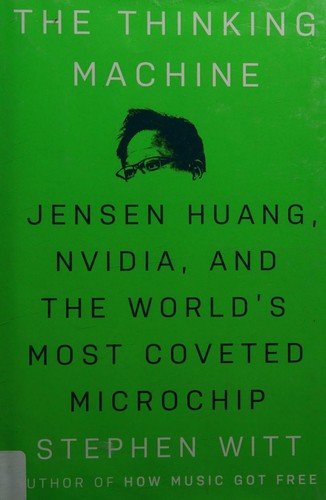
The story of NVIDIA and Jensen Huang: how a video-game card company ended up making the most coveted resource on the planet.
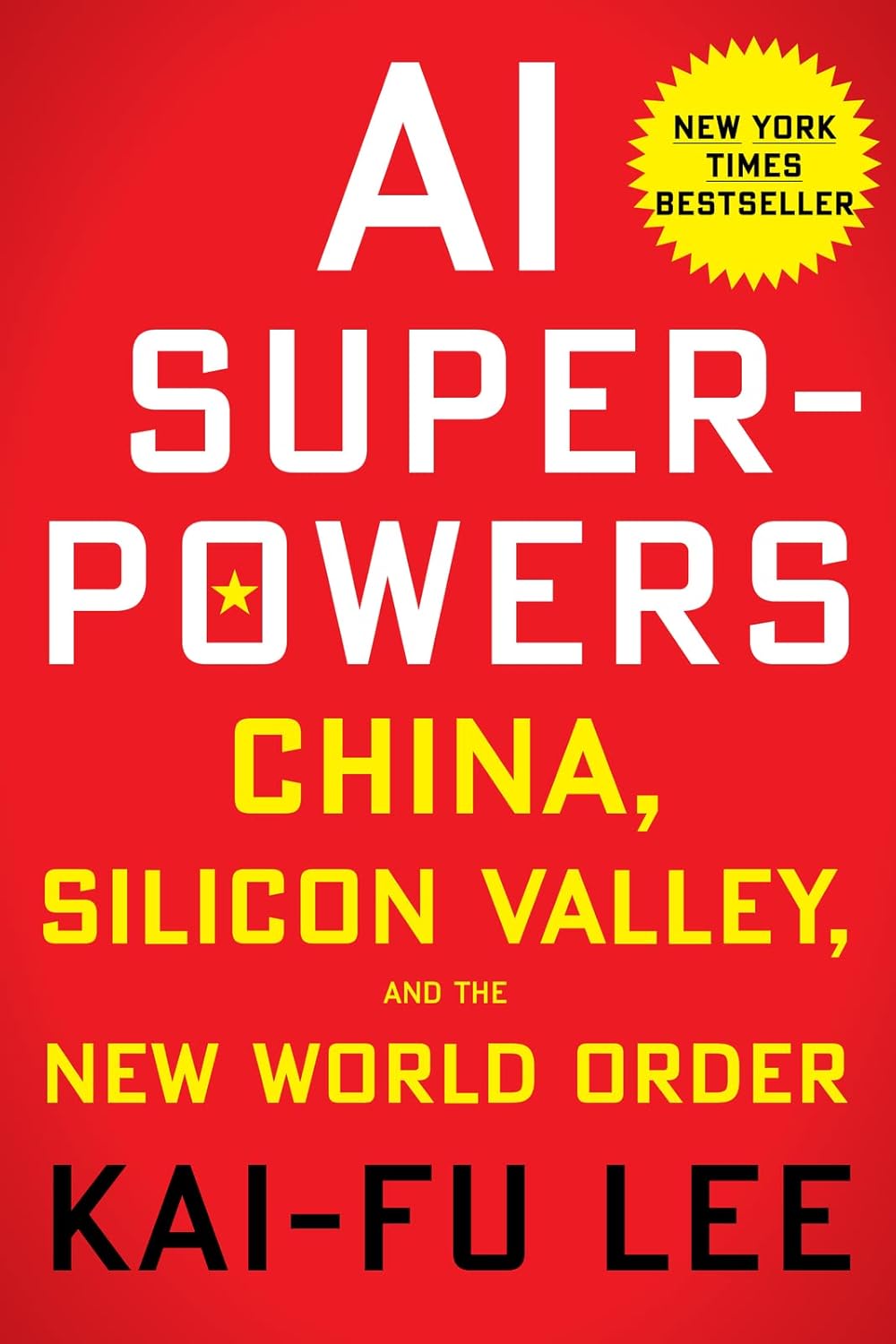
China vs.
As an Amazon Associate, Zendoric earns from qualifying purchases; the price does not change for you. · all our recommended books →
🔗 Related on Zendoric
- Claude's leaked share links are a plumbing failure, not a model failure — and that's the harder bug to fix · 2026-07-26
- Nvidia, Microsoft and Meta call for no restrictions on open-weight AI models · 2026-07-28
- Trump's secret battle against Chinese AI: a ban on open models that would benefit OpenAI and Anthropic? · 2026-07-22