AI breaks into Chinese microdramas: a $14 billion industry amid full disruption

🕒 Published on Zendoric: July 22, 2026 · 01:59
✨ AI-generated · how it's made
The content downloaded from this NBC News article corresponds only to the fragment visible before the paywall ('Subscribe to read this story ad-free'), so the following summary is based solely on that partial information and not on the full development of the report.
📚 Go deeper
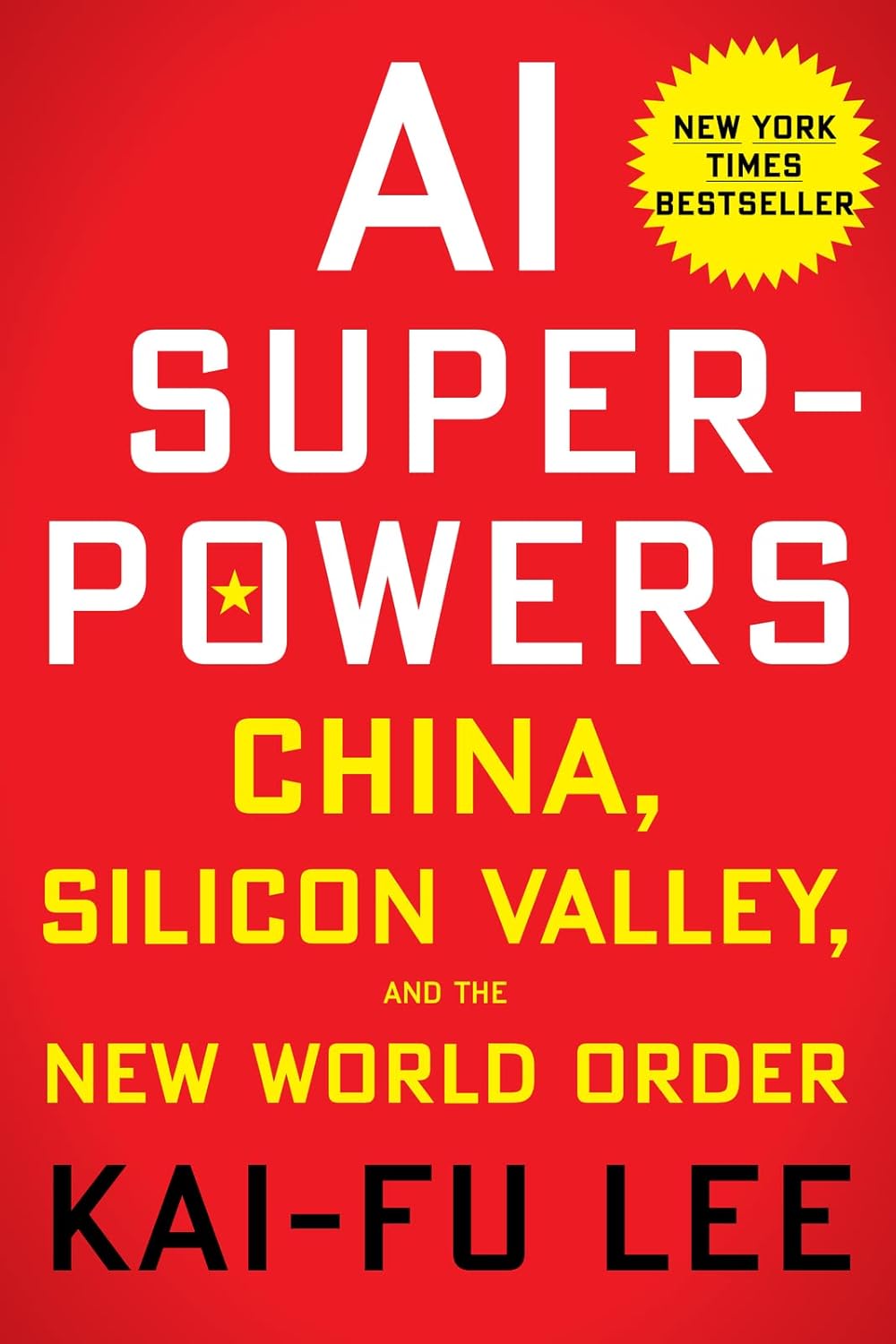
China vs.
As an Amazon Associate, Zendoric earns from qualifying purchases; the price does not change for you. · all our recommended books →
The content downloaded from this NBC News article corresponds only to the fragment visible before the paywall ('Subscribe to read this story ad-free'), so the following summary is based exclusively on that partial information and not on the full development of the report.
The article, written by Janis Mackey Frayer, Dawn Liu, Erin Tan and Larissa Gao and published on July 20, 2026, addresses how artificial intelligence is transforming China's microdrama (mini-drama) industry: short productions characterized by hyper-emotional plots —tumultuous romances, revenge involving time travel, and explosive family secrets—.
According to the text, this is a $14 billion industry that is also rapidly expanding in the United States. The report bases part of its reporting in Zhengzhou, China, and includes the testimony of Gao Qingge, a Beijing-based microdrama director, who tells NBC News: 'AI is changing everything,' adding that 'AI can save a lot of money.'
The article indicates that AI is already involved in the writing, acting and production of these series, suggesting that the full report likely explores the replacement of screenwriters, actors and production crews with AI-assisted video and text generation tools, as well as the impact on employment within the sector. However, the downloaded content does not include those details, specific examples, additional figures or statements from other sources, so it is not possible to develop those aspects here without speculating.
In short: the available material confirms the existence of a trend —the AI-driven automation of microdrama production in China and its disruptive effect on a multibillion-dollar industry— but the substantive detail of the report (employment figures, examples of AI tools used, reactions from actors or screenwriters, comparison with the U.S. market) remains behind the paywall and cannot be summarized faithfully without access to the full text.
📚 Go deeper
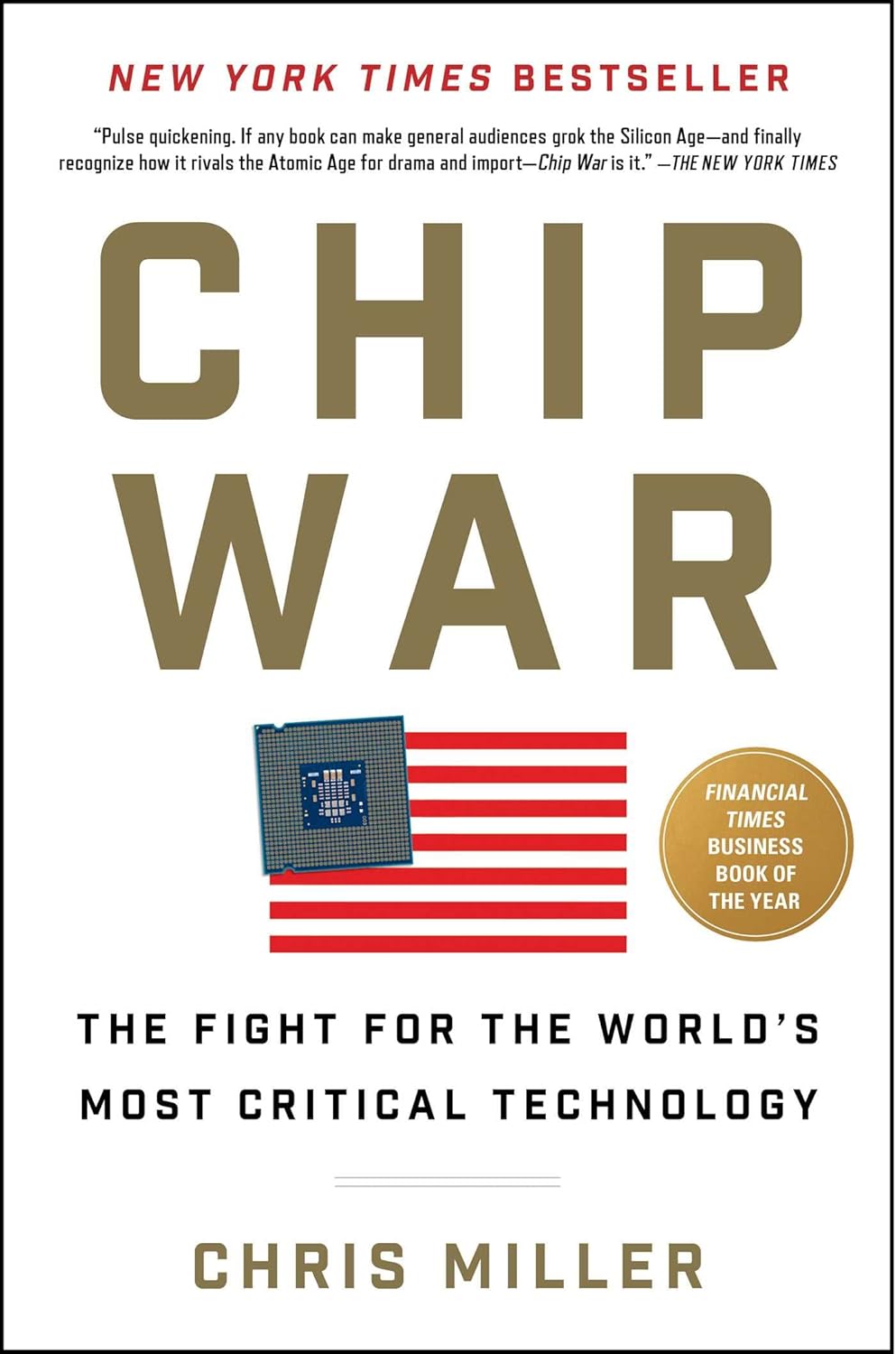
Semiconductors as the oil of the 21st century: history, espionage, and why an island of 23 million people underpins the entire AI economy.
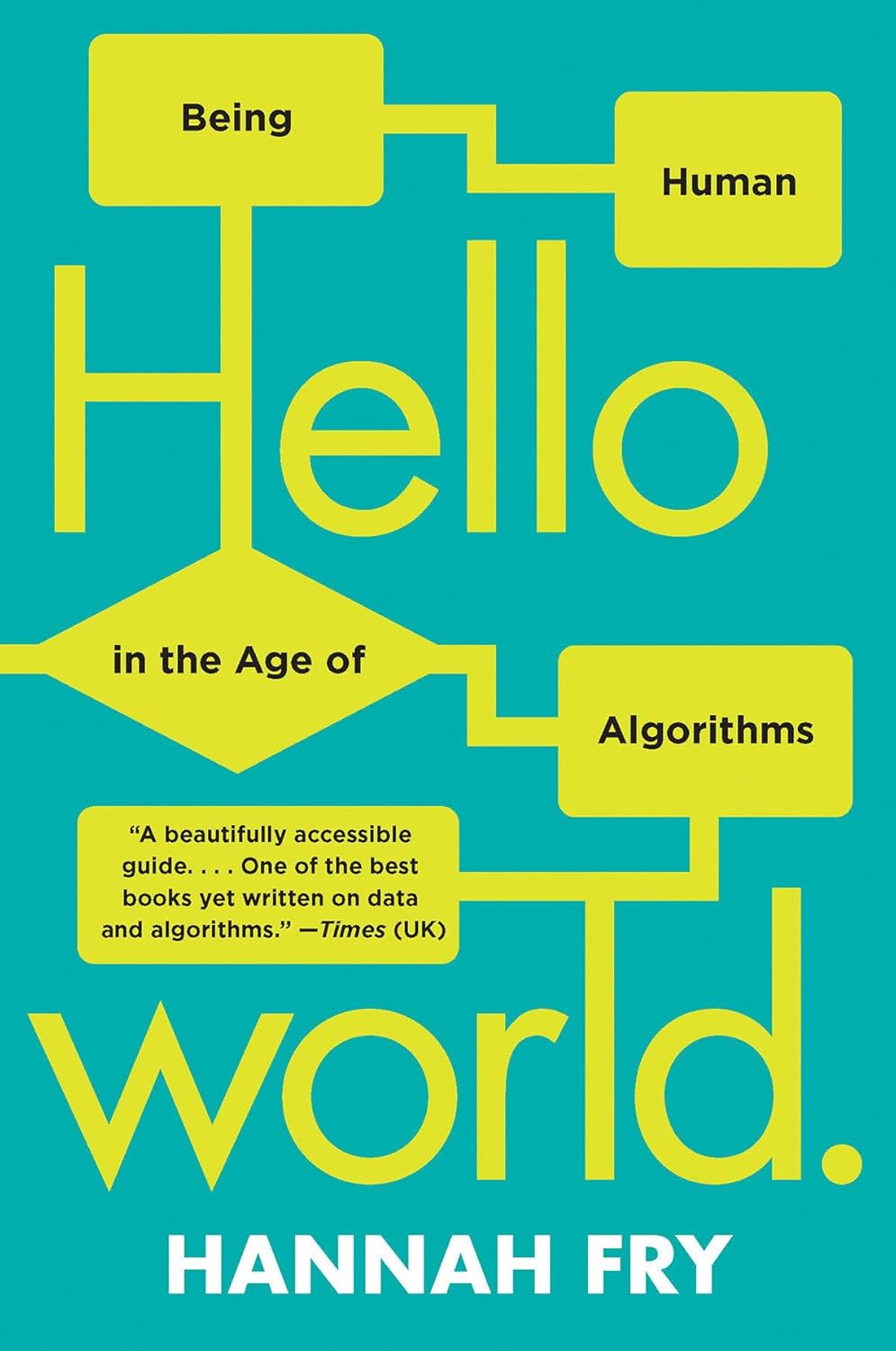
Algorithms in justice, medicine, cars and art, explained with British humor and mathematical honesty.
As an Amazon Associate, Zendoric earns from qualifying purchases; the price does not change for you. · all our recommended books →
🔗 Related on Zendoric