Apple's Trade-Secret Suit Against OpenAI Threatens the Hardware Bet and the IPO Pitch

🕒 Published on Zendoric: July 21, 2026 · 00:20
✨ AI-generated · how it's made
Apple has sued OpenAI over trade secrets, accusing it of a pattern of misconduct to pull confidential information from current and former Apple employees — and naming hardware chief Tang Tan directly. The timing collides with OpenAI's rumored smart-speaker device and its confidential IPO filing, raising the question of whether litigation, not competition, becomes the real obstacle to its hardware ambitions.
📚 Go deeper
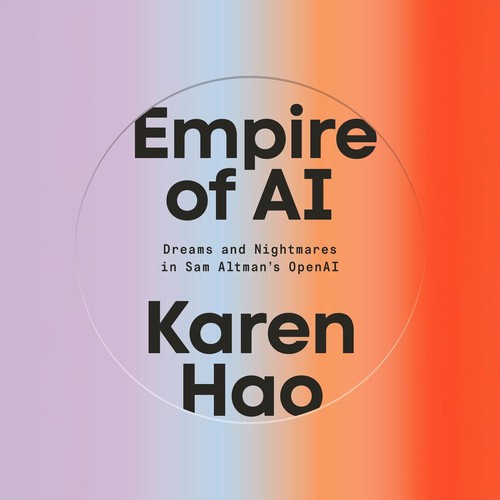
The definitive piece of investigative journalism on OpenAI: 260+ interviews, the clash between safety and speed, and the attempted firing of Sam Altma
As an Amazon Associate, Zendoric earns from qualifying purchases; the price does not change for you. · all our recommended books →
Apple filed a trade secrets lawsuit against OpenAI last week, alleging what TechCrunch's Equity podcast describes as "a pattern of misconduct at the highest levels" aimed at getting current and former Apple employees to hand over confidential information. The complaint names OpenAI's chief hardware officer, Tang Tan — a former senior Apple executive — directly. OpenAI has responded that it is "not aware of any evidence that this complaint has merit," a standard denial, but the allegations themselves are pointed enough that Equity co-host Kirsten Korosec called it the biggest tech story of the week.
The context matters as much as the accusation. OpenAI has been building a hardware division led by former Apple design chief Jony Ive, teased vaguely last year in a video of the two sitting in a San Francisco café. The first product is reportedly a mobile smart speaker, an always-listening device that raises its own set of social and privacy questions — as Equity co-host Anthony Ha notes, such a device doesn't just listen to its owner, it listens to everyone nearby, forcing a renegotiation of consent norms in shared spaces. Layered on top of this is OpenAI's confidential IPO filing, which insiders expect to surface as early as late 2026 or early 2027, based on Sam Altman's own cautious public language.
That overlap is what makes the lawsuit strategically dangerous, independent of its legal merits. Equity co-host Sean O'Kane argues that even without a court-ordered injunction, litigation "naturally leads to delays" in whatever OpenAI is building — delays that Apple, a company that doesn't file suits "willy nilly," may well have anticipated. The bigger problem is investor-facing: OpenAI's business today is overwhelmingly software, and any IPO pitch to bankers that leans on a nascent, legally contested hardware division introduces exactly the kind of disclosure risk that regulators and underwriters scrutinize closely. Korosec predicts OpenAI will not rush to settle, pointing to its recent courtroom win against Elon Musk as evidence the company is now willing to absorb the cost and reputational friction of a trial rather than concede ground early.
Our reading: this fits a pattern we've tracked before — the real battleground in AI is shifting away from raw model capability and toward the surrounding infrastructure of distribution, talent, and product design (the same logic behind the Karp thesis that margin lives in applications, not foundation models). A hardware push is OpenAI's attempt to own that layer directly rather than cede it to Apple or Google. But litigation over poached trade secrets is a reminder that scaling into new product categories carries legal and reputational friction that pure software plays largely avoid. None of this changes the long-run trajectory — diversified AI hardware ecosystems are part of how AI-enabled tools eventually reach everyone, cheaply and ambiently. But in the short term, expect exactly this kind of noise: talent disputes, IP fights, and IPO timelines colliding with unresolved litigation. It's friction, not derailment — unless a judge decides otherwise.
📚 Go deeper
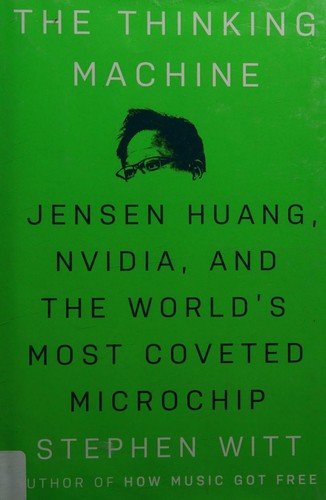
The story of NVIDIA and Jensen Huang: how a video-game card company ended up making the most coveted resource on the planet.
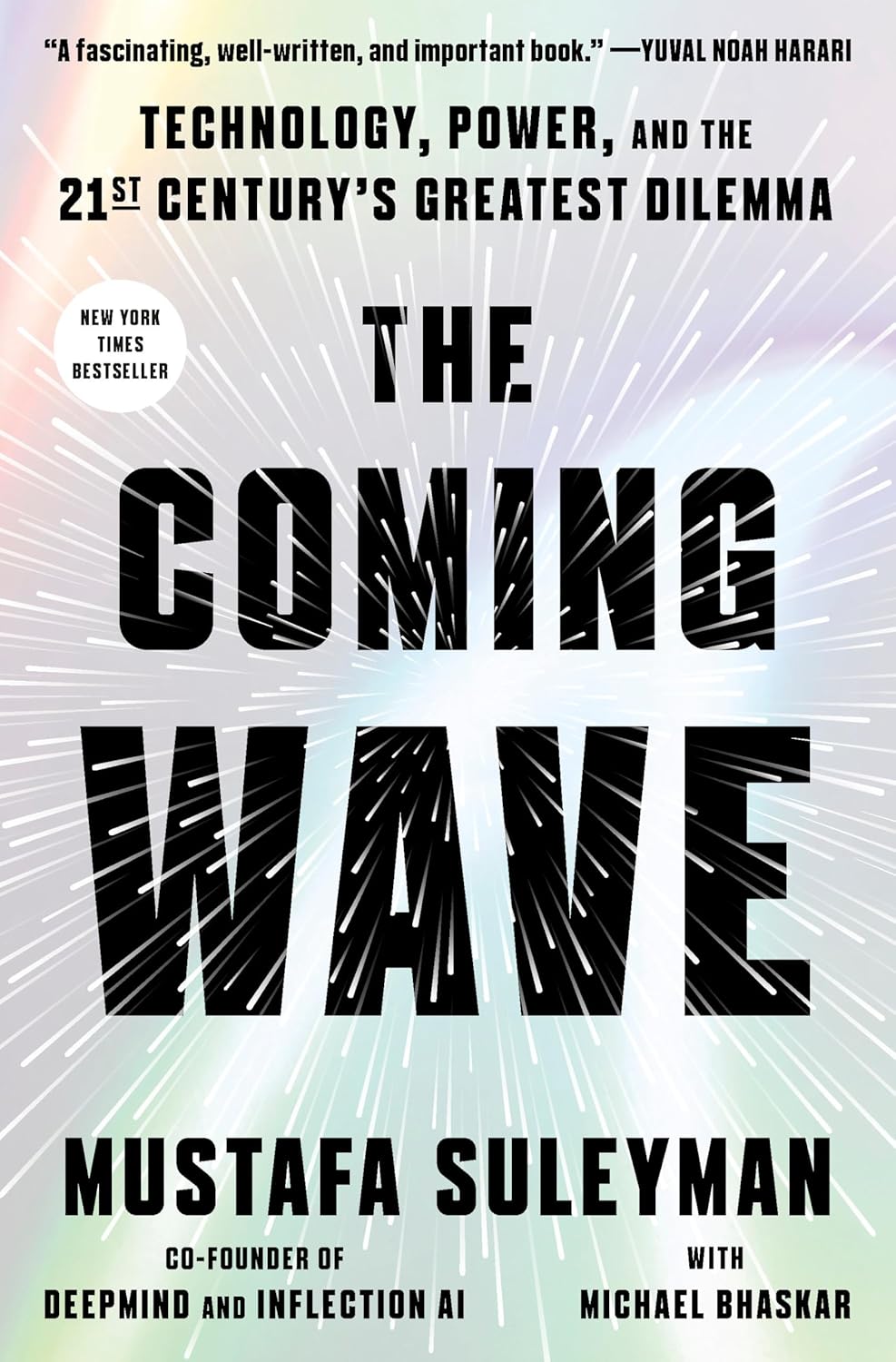
DeepMind co-founder on the dilemma of containing technologies that do not want to be contained.
As an Amazon Associate, Zendoric earns from qualifying purchases; the price does not change for you. · all our recommended books →
🔗 Related on Zendoric