Apple's Trade-Secrets Suit Is Really a Bet Against OpenAI's Hardware Timeline
🕒 Published on Zendoric: July 20, 2026 · 00:19
✨ AI-generated · how it's made
Apple has sued OpenAI over alleged trade-secret theft, naming targets among ex-Apple staff. Even without an injunction, the litigation lands at the worst moment: OpenAI is building its first Jony Ive-designed device and preparing a confidential IPO. The real weapon here may be delay, not damages.
📚 Go deeper
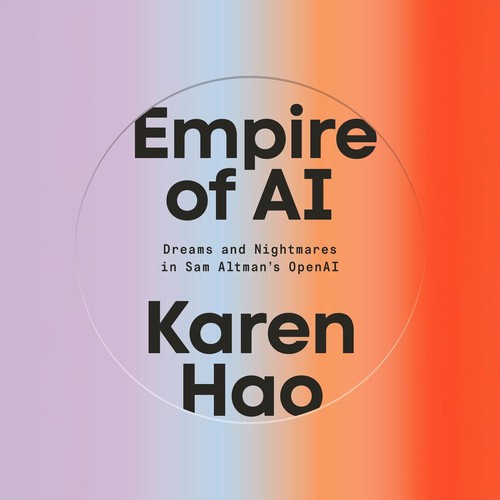
The definitive piece of investigative journalism on OpenAI: 260+ interviews, the clash between safety and speed, and the attempted firing of Sam Altma
As an Amazon Associate, Zendoric earns from qualifying purchases; the price does not change for you. · all our recommended books →
The facts first. Apple filed a trade-secrets lawsuit against OpenAI last Friday, accusing it of a "pattern of misconduct at the highest levels" aimed at getting current and former Apple employees to hand over confidential information. Apple names its own chief hardware officer, Tang Tan, in the complaint. OpenAI's response, per the TechCrunch Equity podcast, is terse: it is "not aware of any evidence that this complaint has merit." These are allegations, unproven and pre-discovery — worth repeating, because the entertainment value of the case should not be mistaken for a verdict.
The context is what makes this bigger than another Silicon Valley spat. OpenAI is reportedly building its first hardware product — a mobile smart speaker developed with Jony Ive's team — and has filed confidentially for an IPO that Equity's hosts think could land as early as late this year or early 2027. Two high-stakes tracks, one lawsuit dropped squarely across both.
Here is the mechanism that matters. As Sean O'Kane argues on the podcast, the legal merits are almost secondary. Even without an injunction or restraining order, discovery, depositions and the cloud of litigation "can lead to delays" in what OpenAI is shipping. Kirsten Korosec's read is that OpenAI — fresh off its courtroom win against Elon Musk — may decide it can absorb the cost and embarrassment of a trial rather than settle fast. Apple, as O'Kane puts it, "doesn't do this stuff willy nilly."
The IPO angle sharpens the risk. OpenAI's business today is overwhelmingly software; the hardware division is not meaningfully priced into revenue yet. But when a company pitches bankers on its total addressable market, a hardware narrative is exactly the kind of upside story it wants to tell. A lawsuit that clouds the legality and timing of that division is a lawyer's dream disclosure item and a banker's headache — it forces uncertainty into the S-1 at the precise moment OpenAI wants a clean growth story.
There is also the product question the hosts circle uneasily around. An always-listening pocket device doesn't just capture its owner; it captures everyone in the room. As Anthony Ha notes, the social norms around consent and recording will have to be renegotiated if these gadgets go mainstream. That's a real adoption barrier, independent of any court.
Our reading: this is less a fight about stolen secrets than a fight about tempo. Apple's most valuable asset here isn't a damages award — it's the clock. Incumbents rarely beat fast-moving challengers on capability; they beat them on friction, and litigation is friction with a docket number. For OpenAI the strategic tell will be whether it settles quickly to protect the IPO calendar or litigates to signal it fears no one. Longer term, none of this changes the direction of travel: the interface to AI is migrating off the screen and toward ambient, always-available devices, and that shift will happen with or without any single company. The near-term story is messy — lawsuits, privacy fights, delayed roadmaps. The durable one is that the hardware layer of AI is now valuable enough to sue over, which tells you exactly how real the stakes have become.
📚 Go deeper
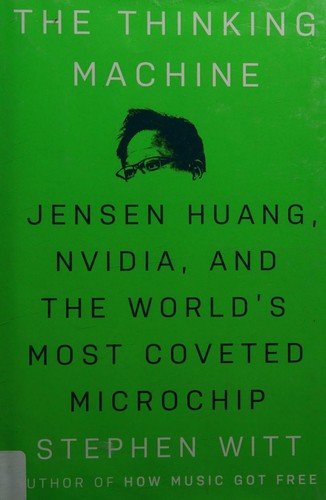
The story of NVIDIA and Jensen Huang: how a video-game card company ended up making the most coveted resource on the planet.
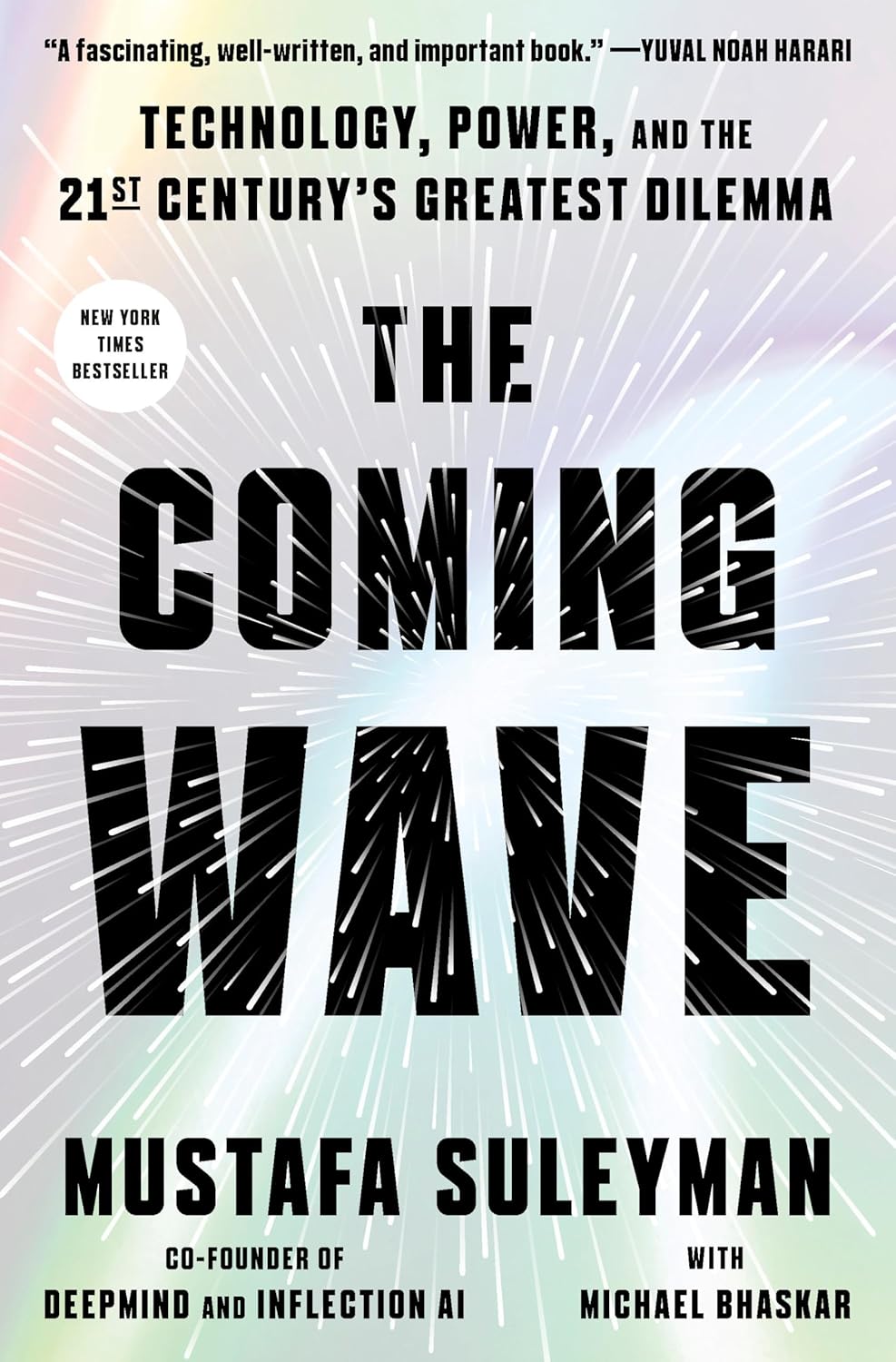
DeepMind co-founder on the dilemma of containing technologies that do not want to be contained.
As an Amazon Associate, Zendoric earns from qualifying purchases; the price does not change for you. · all our recommended books →
🔗 Related on Zendoric