Apple's trade-secret suit lands at OpenAI's worst moment: on the eve of an IPO

🕒 Published on Zendoric: July 17, 2026 · 00:24
✨ AI-generated · how it's made
Apple has sued OpenAI over alleged trade-secret misappropriation, claiming misconduct that reaches its chief hardware officer and that 400+ ex-Apple staff now work there. With an IPO reportedly targeted for later this year, the timing turns a talent-poaching fight into a governance and trust story.
📚 Go deeper
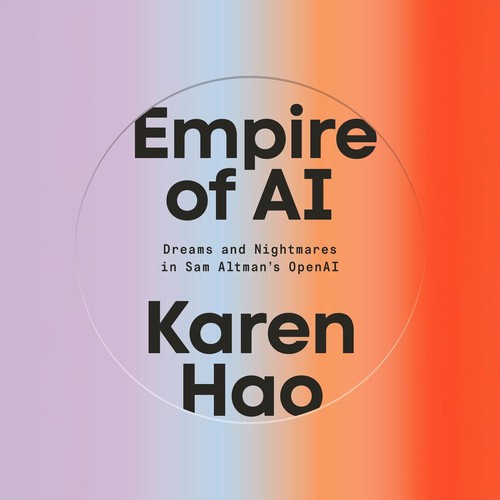
The definitive piece of investigative journalism on OpenAI: 260+ interviews, the clash between safety and speed, and the attempted firing of Sam Altma
As an Amazon Associate, Zendoric earns from qualifying purchases; the price does not change for you. · all our recommended books →
The facts, per the complaint reported by TechCrunch: Apple filed a trade-secrets lawsuit against OpenAI last Friday, alleging a pattern of misconduct that reaches up to OpenAI's chief hardware officer, and claiming that more than 400 former Apple employees now work at the company. OpenAI's public response has so far been carefully hedged. The backdrop matters as much as the filing itself — OpenAI is reportedly eyeing an IPO as early as later this year, is building out hardware (a rumored screenless, movable speaker), and just shipped a $230 keyboard for its Codex tool. These are the accusations of one party in a lawsuit, not established findings; hiring from a rival is legal, and the case will turn on whether specific protected information moved, not on headcount alone.
Still, the framing is potent. Silicon Valley has always run on talent mobility, and a company can recruit hundreds of engineers without misusing anything. The legal question is narrow and evidentiary: did particular trade secrets travel with particular people? The reputational question is broader, and that is where the timing bites. A firm preparing to sell shares to the public is selling a story about durable, defensible advantage. A high-profile suit alleging its hardware push was built partly on a rival's know-how muddies that story precisely when underwriters and institutional buyers are pricing risk.
Our reading: strip away the drama and this is really a fight over where value is migrating. OpenAI is trying to graduate from a model company into a device company — the hardest, most capital-intensive, most patent-dense terrain there is, and Apple's home turf. Poaching hardware talent is the fastest way in, and lawsuits like this are partly a strategic tax the incumbent imposes to slow the newcomer and to remind everyone whose playbook is being copied. Expect discovery to be long, a settlement plausible, and the litigation to become a recurring line item in OpenAI's risk disclosures rather than an existential threat.
The deeper thread the case exposes is trust. TechCrunch's own hosts tie it to a bigger question running through the week's news: how much should anyone hand their data to AI companies? That is the right frame. As these firms move from software into devices that sit in our homes and listen and move, the standard we should hold them to rises — on provenance of their technology, on how they treat rivals' secrets, and on what they do with ours. A public listing raises that bar further, because scrutiny becomes structural rather than optional.
The long view stays constructive but clear-eyed. Competition between the best hardware company on earth and the most aggressive AI lab should, over time, accelerate genuinely useful ambient computing — the kind of tooling that eventually helps in medicine, accessibility and everyday work. But the short-term reality is messier: talent wars, courtroom leverage and IPO theater. The winners of the next phase won't be decided by who hired whom, but by who earns trust while building it — and that is a test measured over years, not news cycles.
📚 Go deeper
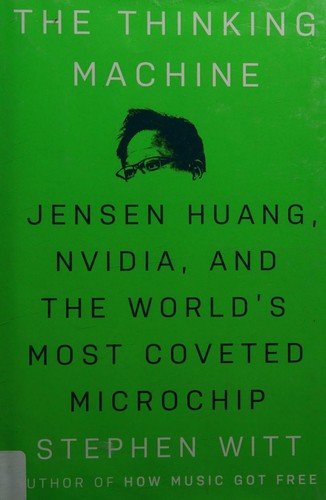
The story of NVIDIA and Jensen Huang: how a video-game card company ended up making the most coveted resource on the planet.
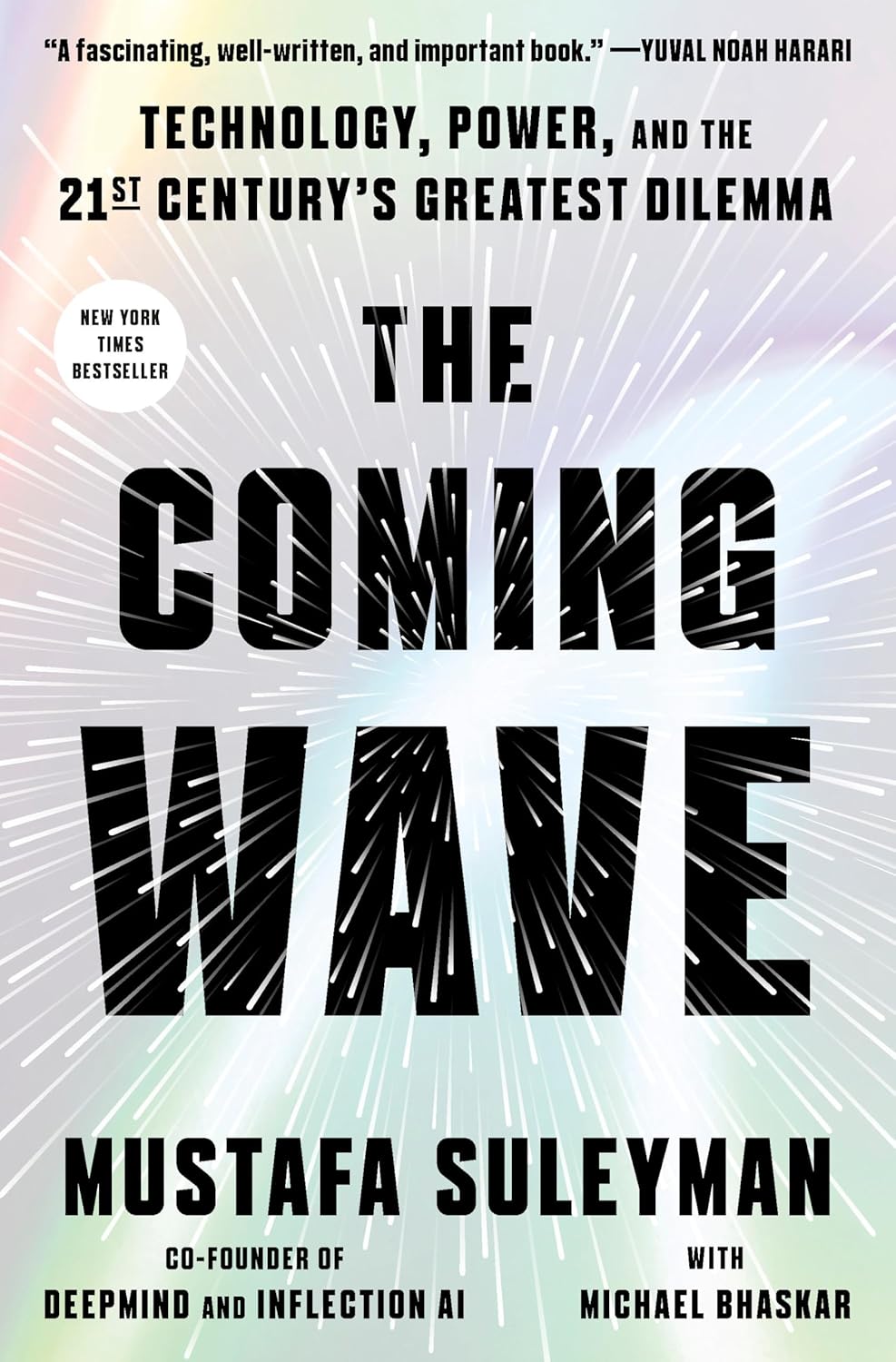
DeepMind co-founder on the dilemma of containing technologies that do not want to be contained.
As an Amazon Associate, Zendoric earns from qualifying purchases; the price does not change for you. · all our recommended books →
🔗 Related on Zendoric