Apple Sues OpenAI Over Alleged Trade-Secret Theft: The AI War Moves Into the Silicon

🕒 Published on Zendoric: July 11, 2026 · 00:27
Apple has sued OpenAI in California, alleging a months-long scheme to lift confidential hardware secrets through departing Apple employees. If the claims hold, the fight over AI is no longer about the smartest model — it's about who controls the device it lives in.
📚 Go deeper
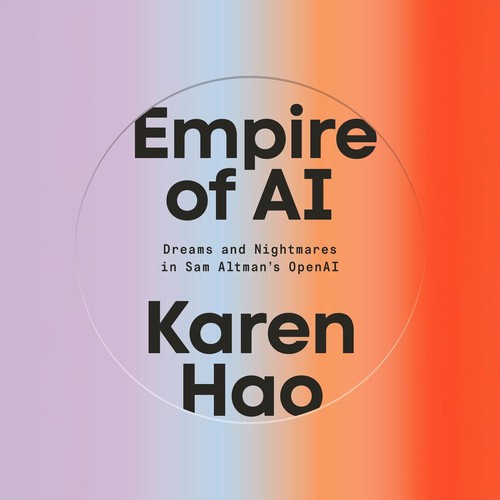
The definitive piece of investigative journalism on OpenAI: 260+ interviews, the clash between safety and speed, and the attempted firing of Sam Altma
As an Amazon Associate, Zendoric earns from qualifying purchases; the price does not change for you. · all our recommended books →
We'll send you a confirmation email (double opt-in). Privacy.
According to a lawsuit Apple filed in the Northern District of California, OpenAI orchestrated a months-long scheme to misappropriate Apple's hardware trade secrets as it races to build an AI device. These are allegations, and we attribute them as such: Apple claims that OpenAI hardware lead and former Apple designer Tang Tan, and former engineer Chang Liu, directed Apple employees interviewing at OpenAI to hand over details on unreleased devices, components, manufacturing processes, and vendor relationships. Apple further alleges a pattern of departing recruits emailing themselves confidential files, that Tan retained a "Need to Know" security-procedures document and shared it with new hires to help them evade Apple's exit controls, and that Liu kept an Apple laptop and exploited a vulnerability to download dozens of confidential documents. Apple calls OpenAI's hardware business "rotten to its core." OpenAI, per the filing, did not respond when Apple first raised concerns in February. OpenAI has not, in this material, answered the claims — and unproven allegations are not findings of fact.
Strip away the courtroom drama and the strategic signal is loud. The frontier of AI competition is visibly shifting from software to hardware — from who has the cleverest model to who can put it in your pocket. OpenAI, having hired away legendary Apple design chief Jony Ive's talent and now, per Apple, its designers and engineers, is trying to compress decades of hardware learning into a crash program. Apple's core accusation is essentially that you cannot shortcut that curve legitimately, so someone tried to steal it.
This maps directly onto a thread we've been tracking: the competitive bottleneck in AI is moving down the stack toward physical substrate — chips, supply chains, manufacturing know-how, vendor relationships. We've noted compute becoming the scarce resource and the majors integrating vertically toward silicon. This suit adds the hardware-device layer to that same story. Models are increasingly commoditized; what's genuinely hard to replicate is the tacit, experiential knowledge of building and manufacturing a product at scale — precisely the kind of knowledge that, as we've argued about automation generally, resists shortcuts. Apple's advantage was never a single secret; it's the accumulated institutional craft of doing this for decades.
There's a human and governance dimension too, and it cuts in an uncomfortable direction. The alleged mechanism is people — engineers moving between rivals, carrying knowledge in their heads and, Apple says, on their laptops. In a talent market this hot, the line between legitimate mobility (which the industry depends on and largely benefits from) and misappropriation gets litigated case by case. Whatever the verdict, expect a chilling effect: tighter exit protocols, more aggressive non-competes where enforceable, and heavier surveillance of departing staff. That's friction the whole sector will feel.
Our reading: don't read this as mere corporate soap opera. It's evidence that AI's center of gravity is descending from the cloud toward the device and the factory floor — and that the barriers to entry there are steep, physical, and slow to build honestly. For the long-term optimism we hold, that's actually reassuring in one respect: a world where hardware craft still matters is a world where value isn't monopolized by whoever trains the biggest model, and where decades of patient engineering still count. But the near-term reality is a bruising, litigious scramble among a handful of giants for control of the next computing platform. Who owns the device that mediates our relationship with AI is not a trivial question — it shapes who governs the technology, and that, far more than any single lawsuit's outcome, is what matters.
📚 Go deeper
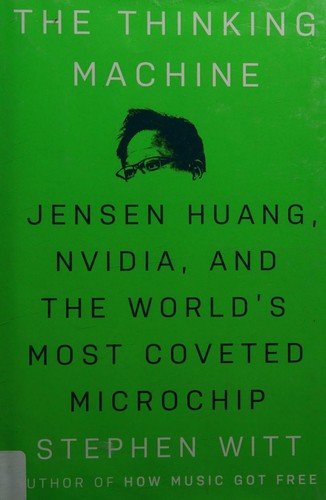
The story of NVIDIA and Jensen Huang: how a video-game card company ended up making the most coveted resource on the planet.
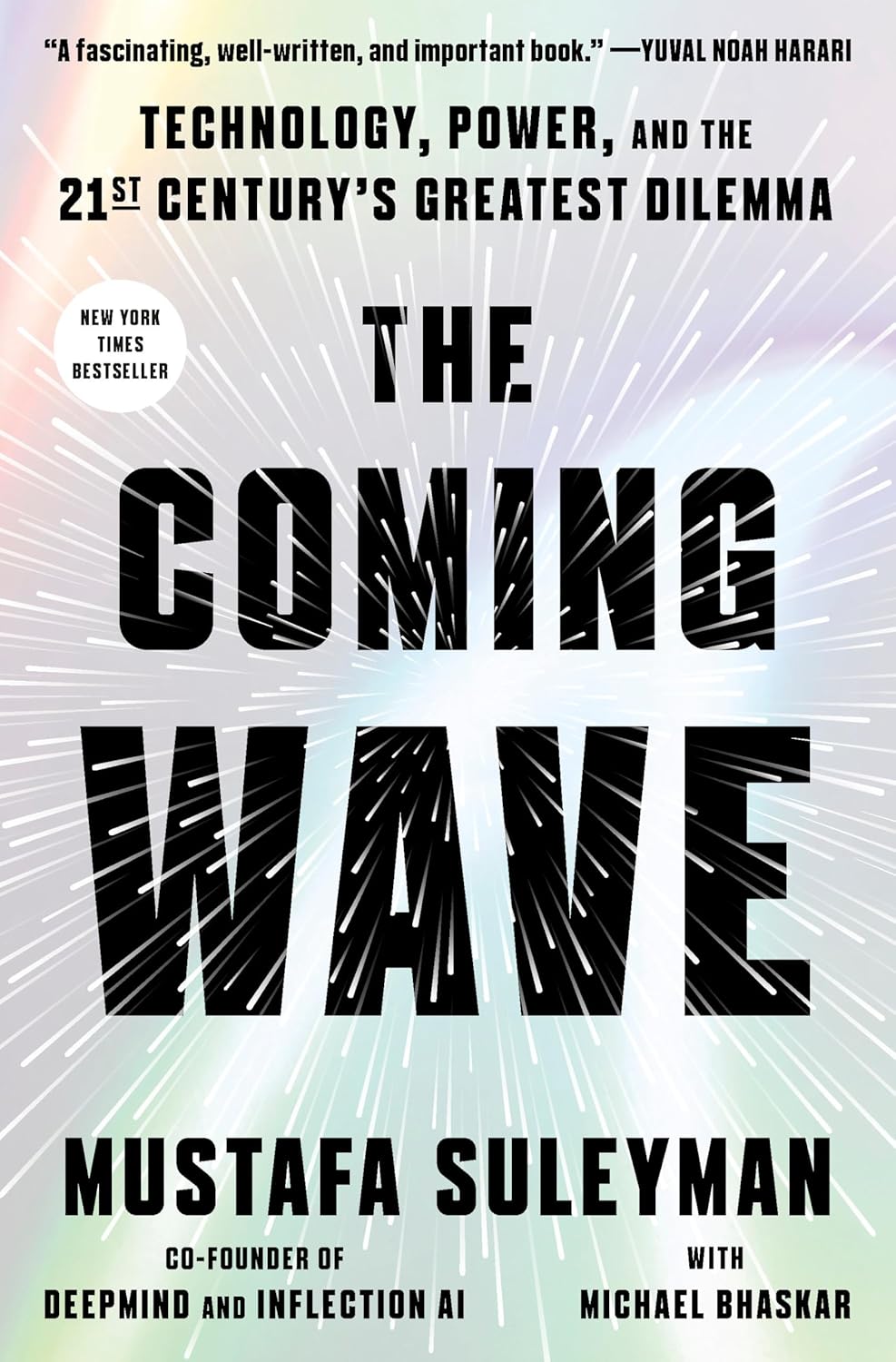
DeepMind co-founder on the dilemma of containing technologies that do not want to be contained.
As an Amazon Associate, Zendoric earns from qualifying purchases; the price does not change for you. · all our recommended books →
🔗 Related on Zendoric
Sources & references
- macrumors.com — Apple Sues OpenAI Over Alleged Trade-Secret Theft: The AI War Moves Into the Silicon
Get the analysis by email · free
One email a day analysing the AI essentials. Free, no spam, unsubscribe anytime.
We'll send you a confirmation email (double opt-in). Privacy.