Samsung lays off 839 employees in the U.S. while its AI chips send profit up 19-fold

🕒 Published on Zendoric: July 20, 2026 · 00:19
✨ AI-generated · how it's made
Samsung has laid off 839 people from its mobile and consumer electronics divisions in New Jersey and Texas, mostly in sales and marketing, just as its AI memory business multiplied quarterly profit 19-fold. The same company sums up, in a single payroll, who wins and who loses with the AI boom.
📚 Go deeper

The best starting book if you're not technical: a Wharton professor explains how to work WITH AI — when to delegate, when to supervise, when to keep i
As an Amazon Associate, Zendoric earns from qualifying purchases; the price does not change for you. · all our recommended books →
By Zendoric · July 19, 2026.
Samsung has laid off around 839 employees in the United States, as the company itself confirmed to Reuters: 739 in Englewood Cliffs (New Jersey) and about 100 in Plano (Texas), according to anonymous sources cited by the agency. The affected positions belong to its displays, mobile and other consumer electronics operations and, according to Reuters, are concentrated in sales and marketing rather than the factory floor. Samsung has noted that most employees were offered a transfer before being laid off.
The timing contrast is what makes this more than just another round of cuts. In early July, Samsung reported a 19-fold jump in profits in its chip and memory division, driven by demand for components for AI data centers. And this spring there were reports, picked up by Gizmodo, that the mobile division could post its first-ever loss in that business in the company's history, partly because of the very rise in component costs that AI has fueled. One company, two AI economies: the one that builds the infrastructure is soaring, while the one selling the finished product to consumers is tightening its belt.
There is also a labor-power asymmetry worth noting. In South Korea, where the memory business is concentrated, Samsung's organized workers authorized a strike, and in May, under pressure not to disrupt production, the company agreed to bonuses of up to $400,000, according to the article. In the United States, the eliminated sales and marketing jobs are not the kind that typically unionize, and Gizmodo recalls a 2019 report by the South Korean outlet Hankyoreh documenting intense anti-union activity by Samsung executives in various countries ('even the smallest gestures of collective action drew retaliation,' according to that report). That accusation should be read for what it is—a piece of investigative journalism about corporate practices, not a judicially proven fact—but the pattern it illustrates, negotiating with leverage in Korea and adjusting unilaterally in the U.S., is consistent with what we've seen in other sectors.
This fits a thesis we've been arguing about employment and AI: the blow does not fall evenly. It's not that 'AI takes away jobs' in the abstract; it's that it reorders which profiles matter and who has the ability to negotiate the terms of that reordering. Workers with a capacity for collective organization and a strategic position in the chain (the memory factory feeding the data-center boom) capture part of the surplus. The sales and marketing profiles of a mature consumer business, lacking that leverage, absorb the adjustment. It is the same pattern we've seen in banking or law firms: administrative value gets compressed first; value based on judgment, relationships or bargaining power holds up.
Over the longer term, Samsung's own case is a good reminder that the AI boom does not distribute its rewards evenly, not even within a single company. The abundance that AI can bring—more computing power, more science, more automation of routine work—first passes through a painful reallocation phase, and that phase is better managed where there are counterweights: unions, regulatory frameworks, real bargaining power. In general, the more a business depends on selling directly to the end consumer in a mature market (mobile phones, in this case), the more exposed it is to the AI boom itself driving up its input costs without improving its sales. The takeaway is not that the AI boom is bad for Samsung; it's that Samsung now runs at two speeds, and in the slower one real jobs are being lost—today, in New Jersey and Texas.
📚 Go deeper
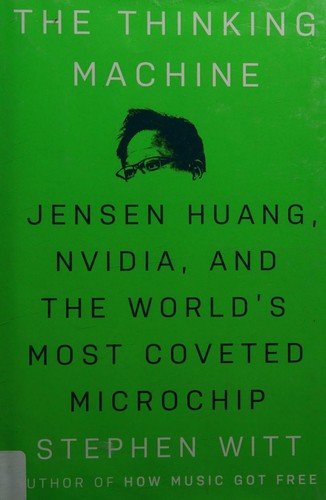
The story of NVIDIA and Jensen Huang: how a video-game card company ended up making the most coveted resource on the planet.
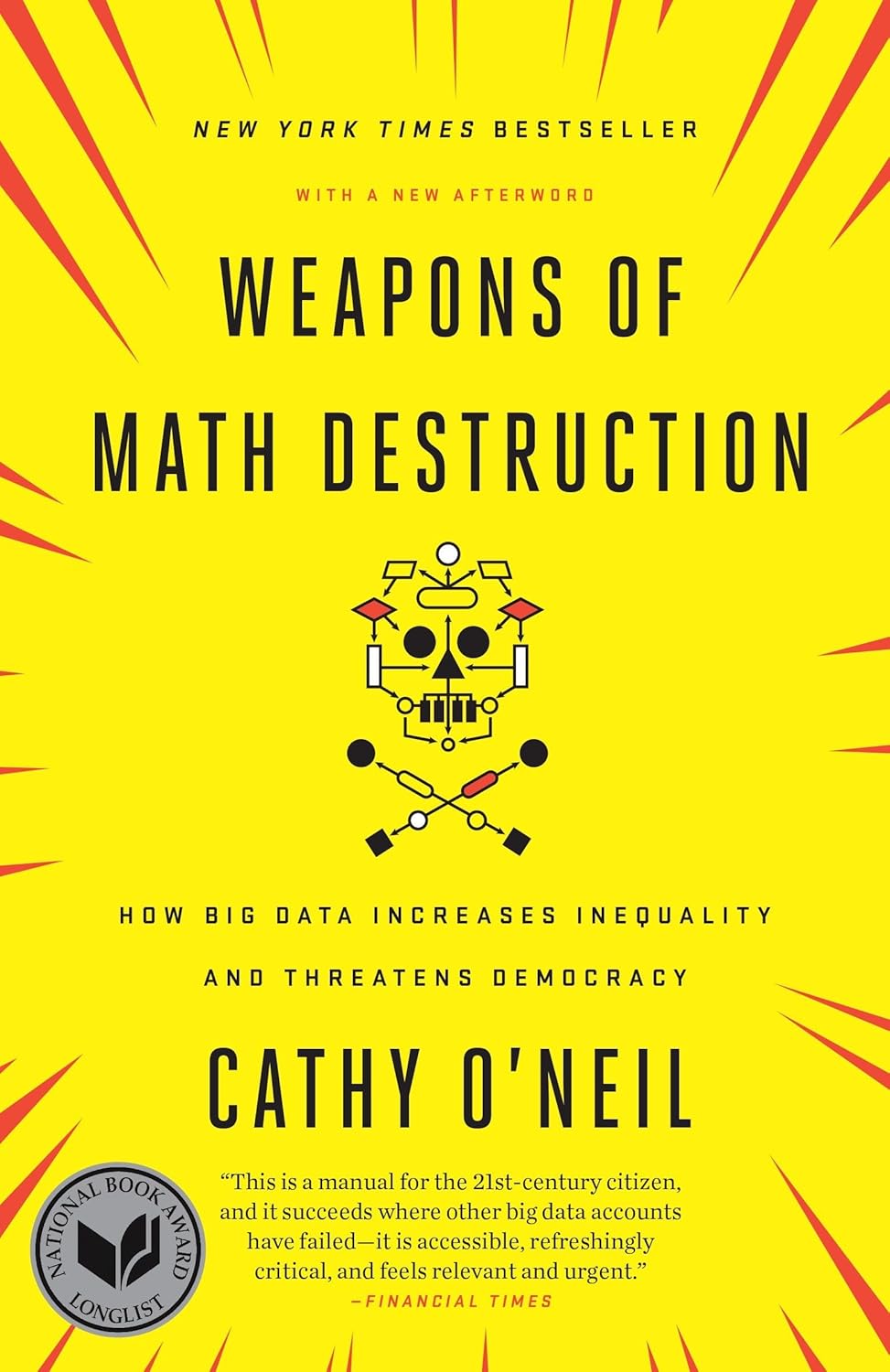
How opaque algorithms decide who gets credit, a job or parole — and why they tend to punish the same people.
As an Amazon Associate, Zendoric earns from qualifying purchases; the price does not change for you. · all our recommended books →
🔗 Related on Zendoric