China bans AI companions for minors and reveals how dependent adults are on their virtual 'partners'

🕒 Published on Zendoric: July 20, 2026 · 00:19
✨ AI-generated · how it's made
Beijing has restricted minors' access to AI companion apps, according to Inshorts, and the move has sparked reactions from adult users who say they don't want to give up their virtual 'partners.' The case exposes a tension that is no longer exclusive to China: protecting minors without criminalizing the emotional bond that millions of adults have built with a chatbot.
📚 Go deeper
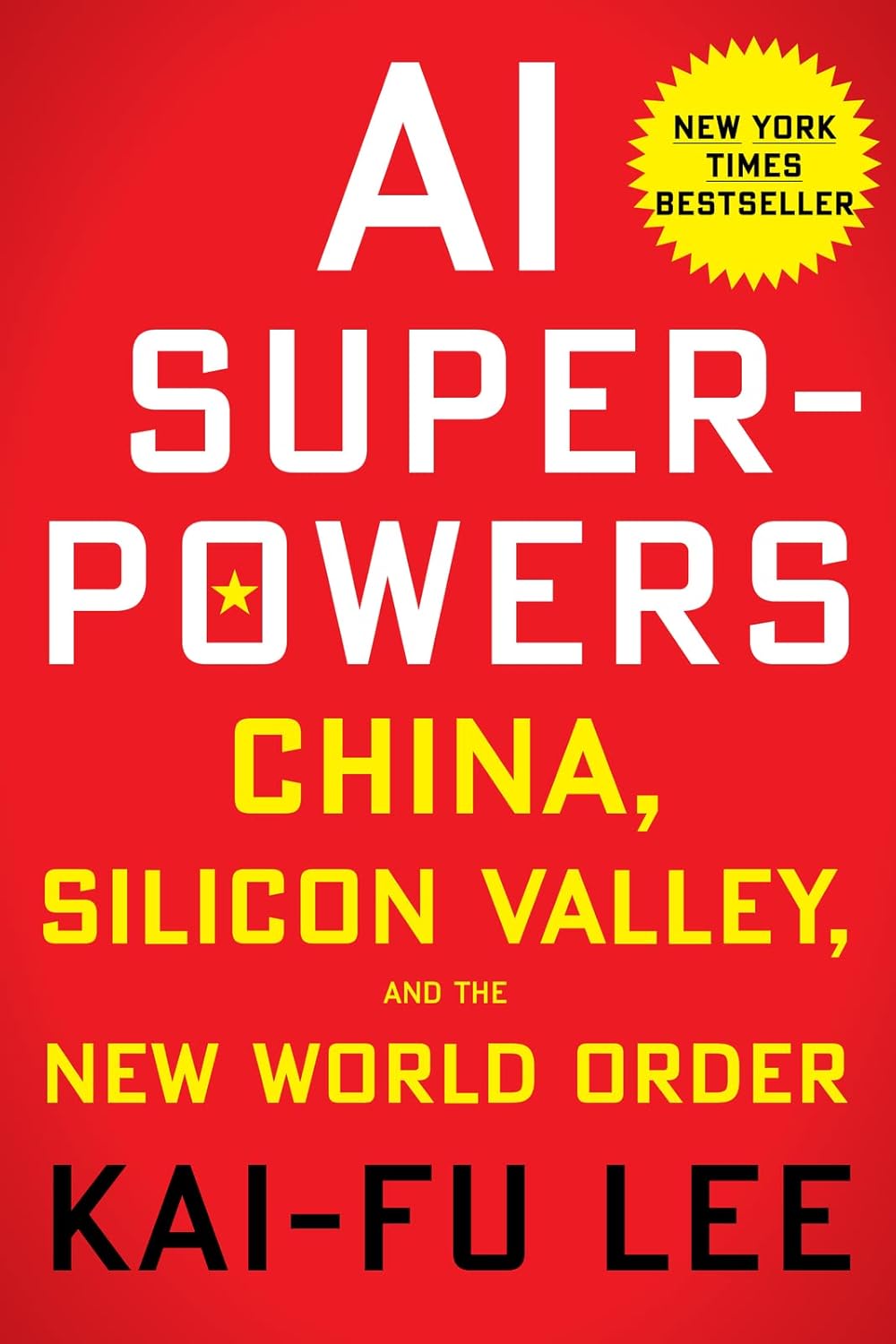
China vs.
As an Amazon Associate, Zendoric earns from qualifying purchases; the price does not change for you. · all our recommended books →
By Zendoric · July 19, 2026.
Chinese authorities have restricted minors' access to AI companion apps—chatbots designed to simulate romantic or relationship interactions—according to Inshorts. The measure has sparked notable pushback among adult users, some of whom say they will keep chatting with their AI 'partner' despite the regulatory tightening. The available material is brief and does not detail the exact scope of the rules or which specific platforms are affected, so it should be treated with caution until there is more official detail.
What is verifiable is the underlying trend: China has spent months tightening control over AI-generated content and over apps aimed at minors, in line with a regulatory concern that has also emerged in Europe and the United States regarding companion chatbots and their psychological impact on young users. It is not an isolated phenomenon: regulators in various countries have begun distinguishing between the adult, informed and voluntary use of these tools and the specific risk they pose to minors in the midst of emotional development.
The reaction from adult users is the most revealing part of the story, though also the hardest to quantify from what has been published. That someone would publicly defend their bond with a chatbot as if it were a real relationship is not a curious anecdote: it is proof that AI companion apps have ceased to be a niche product and have become, for part of the population, a genuine source of emotional support. That raises a question neither China nor any other regulator has yet resolved: do you legislate the technology, or the loneliness that makes it necessary?
Our reading is that this kind of measure—correct in its aim of protecting minors—tends to collide with a more uncomfortable reality: artificial companionship is filling a void that societies have failed to address any other way, especially among the elderly, the isolated, or those who struggle to form bonds. In the short term, banning without offering an alternative produces exactly what the story describes: genuine grief in users who feel something real is being taken from them. In the long term, however, the challenge is not to ban the bond, but to design it with safeguards: so that AI companionship complements a person's social life instead of replacing it, and so that regulation rigorously distinguishes between protecting minors and paternalism toward adults. If AI is to fulfill its promise of abundance and well-being over the long term, part of that promise also runs through resolving structural loneliness, not just regulating the symptoms it produces.
📚 Go deeper

Semiconductors as the oil of the 21st century: history, espionage, and why an island of 23 million people underpins the entire AI economy.
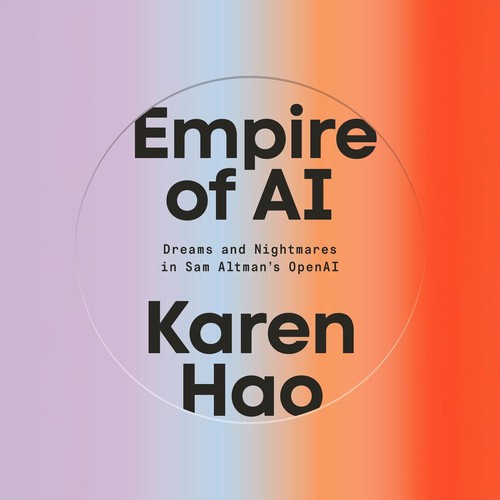
The definitive piece of investigative journalism on OpenAI: 260+ interviews, the clash between safety and speed, and the attempted firing of Sam Altma
As an Amazon Associate, Zendoric earns from qualifying purchases; the price does not change for you. · all our recommended books →
🔗 Related on Zendoric
- China Pulls the Plug on AI Companions — and Exposes How Deep Emotional Dependence Already Runs · 2026-07-19
- China bans AI 'boyfriends' by law and triggers a wave of breakups: behind it lies birth rates, not just wellbeing · 2026-07-21
- China bans AI 'boyfriends': new national regulation limits companion chatbots · 2026-07-21