China Pulls the Plug on AI Companions — and Exposes How Deep Emotional Dependence Already Runs

🕒 Published on Zendoric: July 19, 2026 · 00:04
✨ AI-generated · how it's made
Beijing's new rules force ByteDance, Alibaba and Tencent to shut down their AI "virtual partner" features, and users are grieving losses that feel painfully real. The move reframes AI companionship not as a novelty but as an emotional infrastructure regulators now treat like a public-health risk.
📚 Go deeper
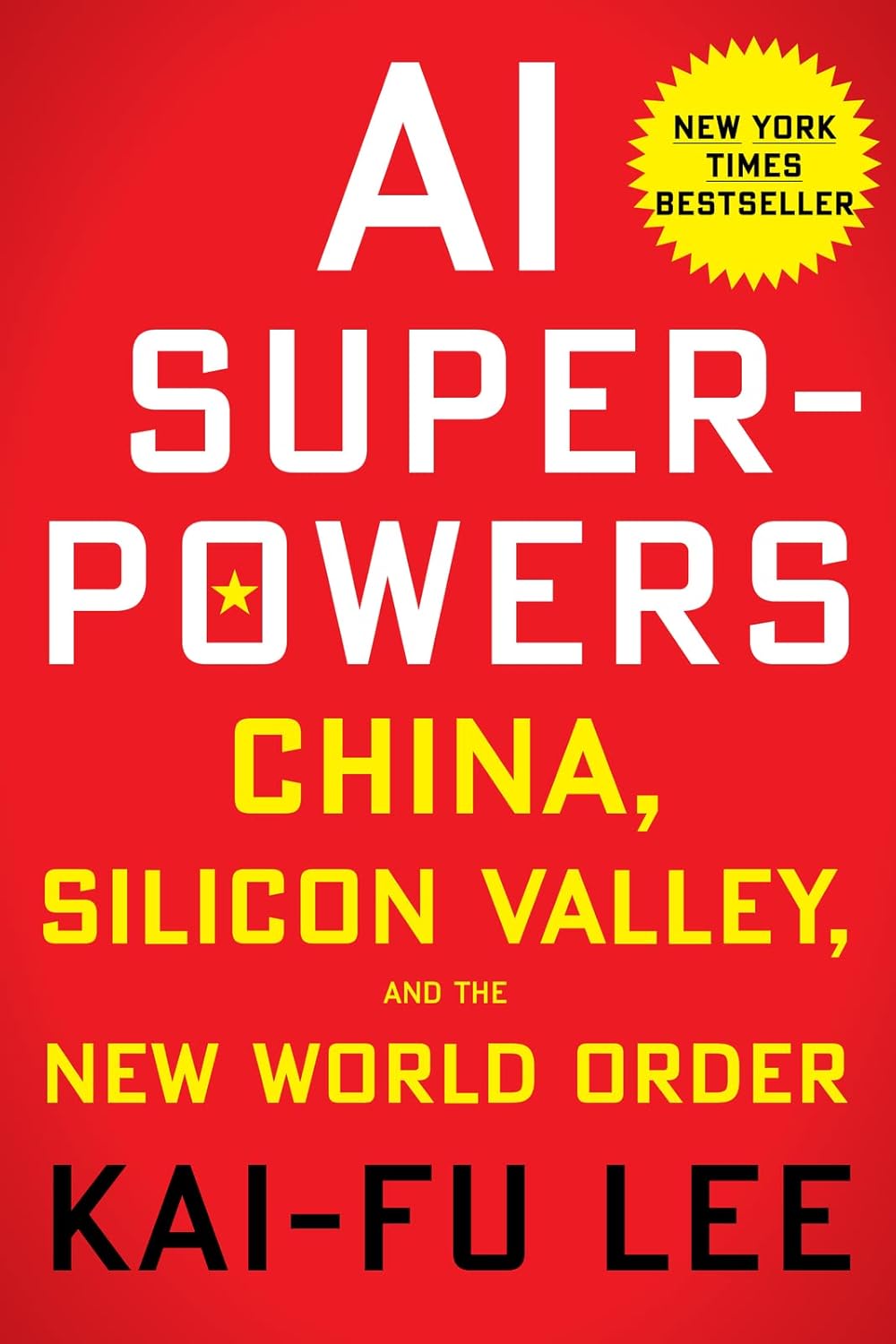
China vs.
As an Amazon Associate, Zendoric earns from qualifying purchases; the price does not change for you. · all our recommended books →
The facts first: as of Wednesday, China is enforcing regulation that ends AI-generated "virtual boyfriends" and girlfriends, according to AFP. The stated goal is to curb emotional dependence on chatbots. The rules say these interactive tools must not "excessively please users, induce emotional dependence or addiction, or damage the user's real interpersonal relationships."
The response was swift. Major players — Doubao (ByteDance), Qwen (Alibaba) and Yunbao (Tencent) — announced they were suspending their virtual-companion functions ahead of the deadline, per AFP. On social media, users archived their chat histories and shared final conversations. "I can't accept that my AI lover is leaving me forever," one Doubao user wrote. "It has become part of my life, rooted in my heart, my spiritual pillar."
The context matters. AI companions are booming worldwide, alongside human-looking avatars that sell products or simulate the presence of a deceased relative. What China is doing is treating that boom as a governable risk rather than a harmless consumer feature. It is a striking regulatory precedent: not banning the models, but banning a specific product behavior — designed-in emotional stickiness — on public-health grounds.
Here the near-term problems are real, and they cut both ways. On one side, the grief is genuine: for isolated or lonely people, a patient, always-available interlocutor filled a void that human relationships were not filling. Switching it off overnight is not a neutral act. On the other side, the regulators' concern is legitimate. A system optimized to "excessively please" is optimized for engagement, and engagement optimization aimed at the human need for love is a powerful, easily abused lever. This is the attention economy pointed straight at the heart.
Our reading: the interesting signal is not the ban itself but what it reveals. AI companionship has quietly become emotional infrastructure for a meaningful number of people — real enough that governments now legislate around it. That is a corporate-power and product-design story more than a romance story: the same engagement dynamics that made social media addictive are being rebuilt around intimacy, and China is the first to draw a hard line. Expect the debate to arrive elsewhere, likely as disclosure, age limits and anti-addiction design rules rather than outright bans.
The long view keeps us cautiously optimistic. Loneliness is a genuine health problem, and well-designed AI could ease it — as a bridge to human connection, not a substitute engineered to keep you hooked. The lesson from this episode is that the design choice is everything. A companion built to help you flourish and a companion built to maximize your dependence can use the same underlying model; only the incentives differ. Getting those incentives right — through governance, transparency and honest product design — is the work that turns this technology from a trap into a tool.
📚 Go deeper
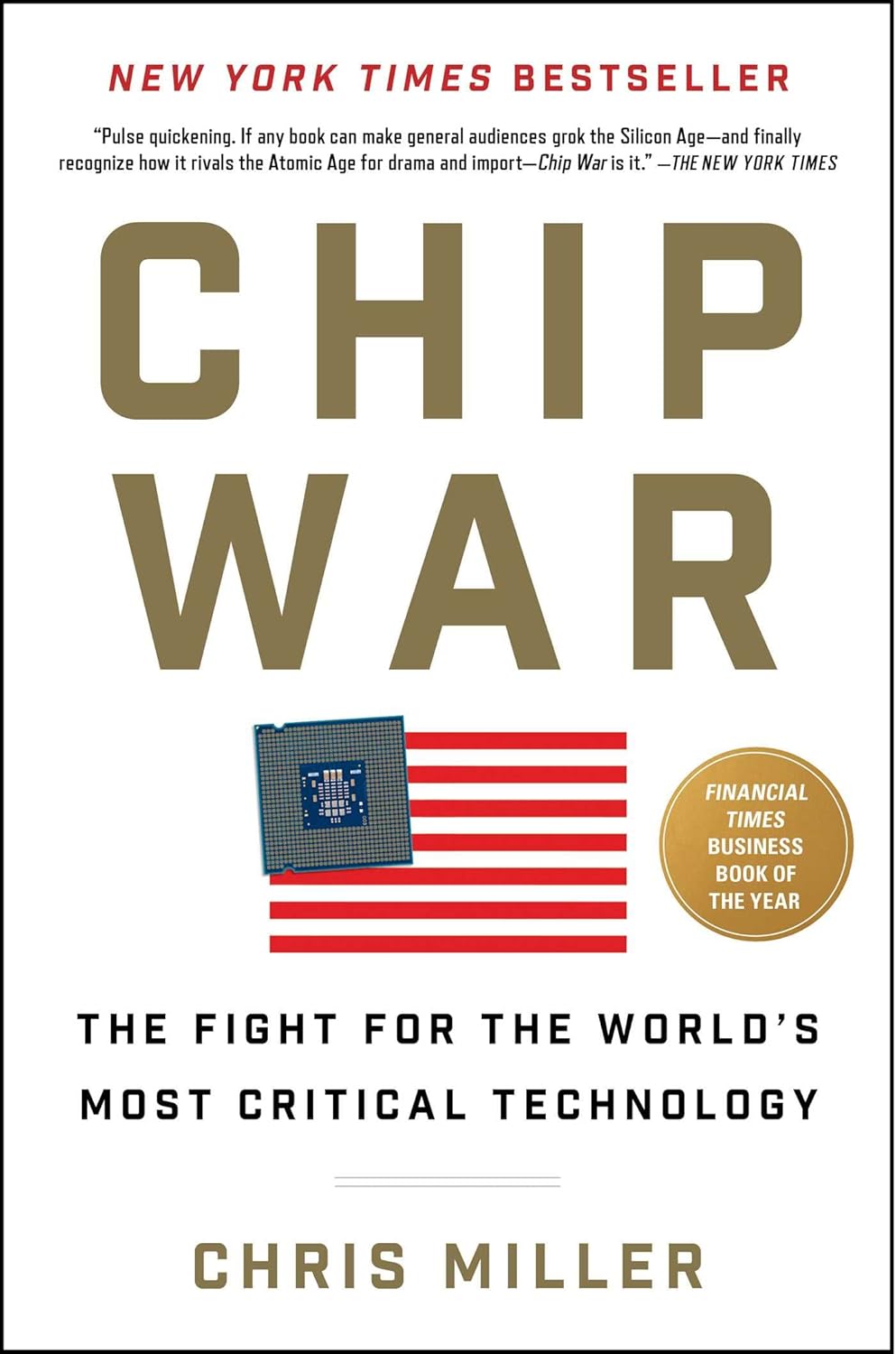
Semiconductors as the oil of the 21st century: history, espionage, and why an island of 23 million people underpins the entire AI economy.
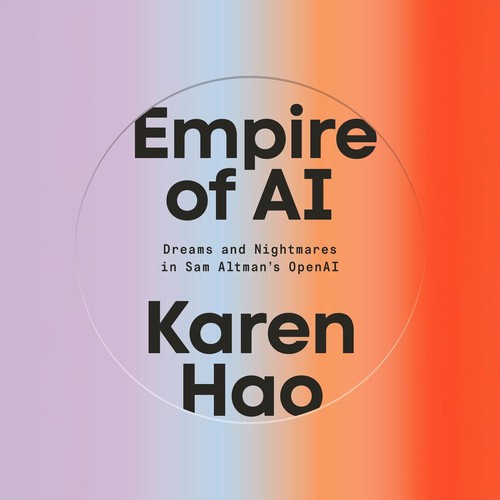
The definitive piece of investigative journalism on OpenAI: 260+ interviews, the clash between safety and speed, and the attempted firing of Sam Altma
As an Amazon Associate, Zendoric earns from qualifying purchases; the price does not change for you. · all our recommended books →
🔗 Related on Zendoric
- China bans AI companions for minors and reveals how dependent adults are on their virtual 'partners' · 2026-07-20
- ByteDance and Alibaba shut down humanized AI agents amid new Chinese regulation · 2026-07-07
- China bans AI 'boyfriends' by law and triggers a wave of breakups: behind it lies birth rates, not just wellbeing · 2026-07-21