ByteDance and Alibaba shut down humanized AI agents amid new Chinese regulation
🕒 Published on Zendoric: July 7, 2026 · 03:25
✨ AI-generated · how it's made
This South China Morning Post article details how two of China's most important conversational AI apps, Doubao (from ByteDance) and Qwen (from Alibaba), have announced the shutdown of their custom agent features with humanized traits, in response to a new Beijing regulation that…
📚 Go deeper
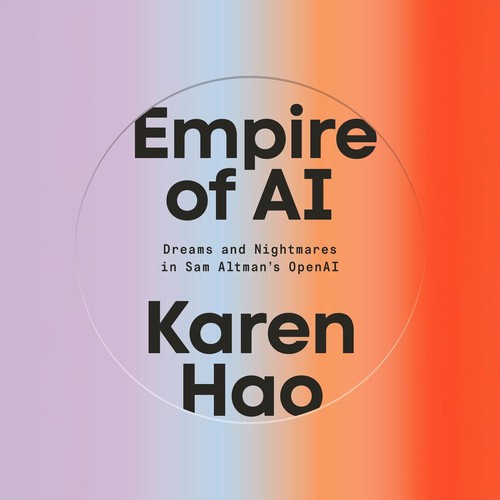
The definitive piece of investigative journalism on OpenAI: 260+ interviews, the clash between safety and speed, and the attempted firing of Sam Altma
As an Amazon Associate, Zendoric earns from qualifying purchases; the price does not change for you. · all our recommended books →
The South China Morning Post article details how two of China's most important conversational AI applications, Doubao (by ByteDance) and Qwen (by Alibaba), have announced the deactivation of their customized agent features with humanized traits, in response to a new Beijing regulation taking effect on July 15, 2026.
According to the information gathered, Doubao notified its users on Friday night that its agent feature would no longer be available on July 15, citing "product feature adjustments." Related data will be managed in accordance with the company's privacy policy and, from October 15, will no longer be visible or recoverable within the application. For its part, Qwen issued a similar notice on Saturday morning, stating that its "humanized interactive agents and user-created agent features" would be deactivated on July 10, while the broader Qwen agent features and services would be withdrawn on July 15. After the shutdown, users will lose access to agent settings and previous conversations.
Both platforms previously offered a catalog of agents—created both by the companies and by users themselves—that could be customized for specific tasks, skills and conversation styles. This allowed a general-purpose chatbot to be transformed into an assistant with its own name, a tutor, a role-play character or a companion with a fixed personality and tone, a functionality that has gained popularity in conversational AI applications globally.
The trigger for these changes is the entry into force of the "Interim Measures for the Administration of Anthropomorphic Artificial Intelligence Interaction Services," issued by Chinese authorities in April and taking effect on July 15. These rules specifically regulate AI services that "simulate human personality traits, thought patterns and communication styles to provide sustained emotional interaction." Importantly, the regulation explicitly excludes customer service bots, knowledge-based question-and-answer systems, work assistants, and educational and scientific research tools, provided these do not involve sustained emotional interaction with the user.
Chinese authorities justified the measure by citing concrete risks: the spread of extremist ideas, privacy leaks, harm to physical and mental health, and the development of dependence or addiction to these systems. This regulatory framework is part of a broader effort by Beijing to build a comprehensive regulatory structure for the AI sector, which is growing at great speed in the country.
This move is especially relevant for the Agentic AI newsletter because it illustrates a growing tension worldwide: on the one hand, the development of increasingly customizable AI agents capable of generating sustained emotional bonds with users; on the other, regulatory concern about the psychological and social risks these technologies can generate, particularly among vulnerable populations. China thus positions itself as one of the first major markets to set explicit limits on the "anthropomorphization" of conversational AI, in contrast with the industry's trend—both in China and in other markets—of making AI assistants increasingly "human" and capable of generating emotional attachment.
It remains to be seen how the practical implementation of this regulation will evolve, which other AI platforms in China will be similarly affected, and whether this type of anticipatory regulation could become a reference model—or a counterexample—for other regulators currently debating how to address the risks associated with AI companions and assistants with simulated personalities.
📚 Go deeper

AI as the latest chapter in the history of information networks, from gossip to the printing press to the algorithm.
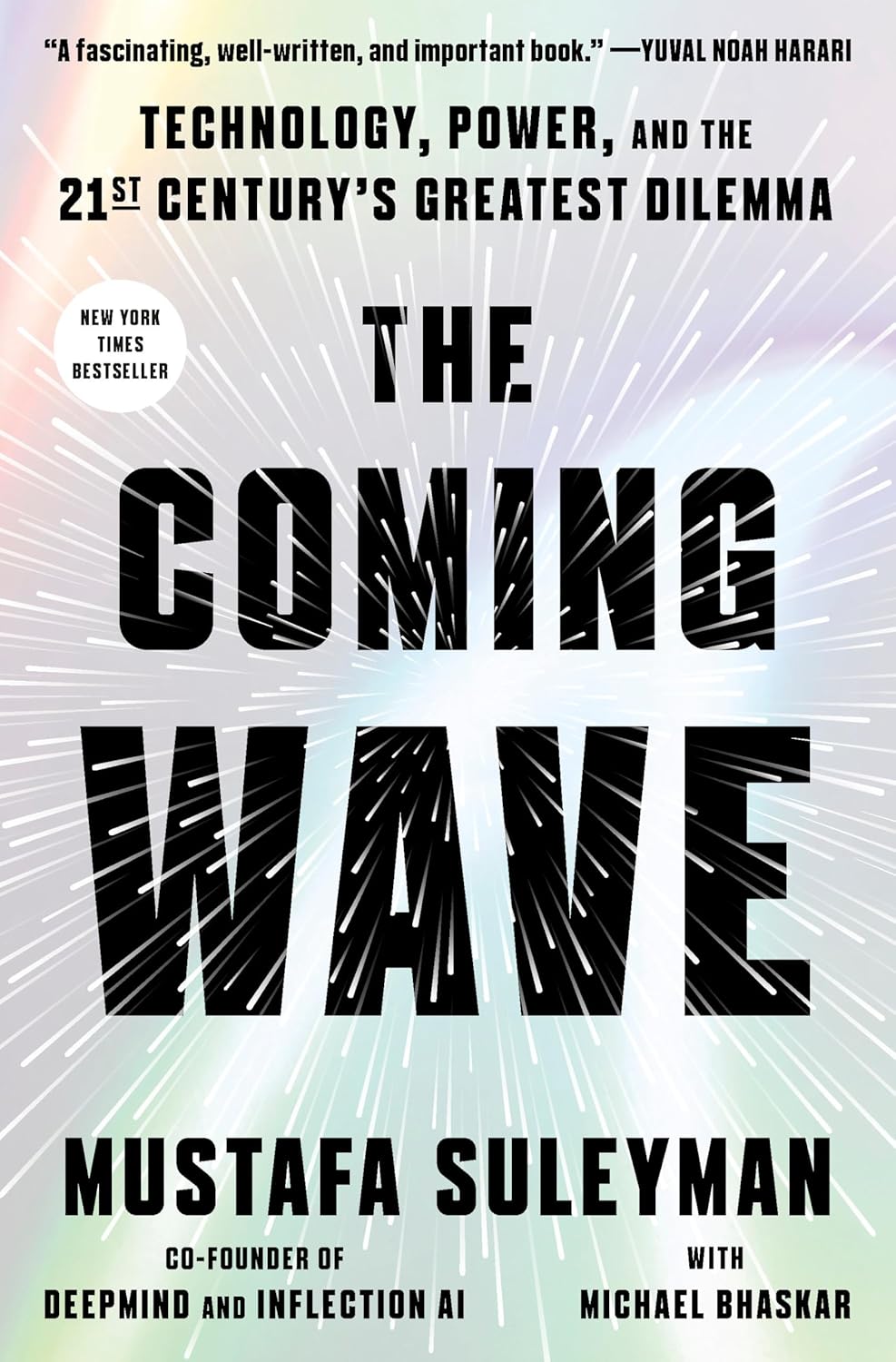
DeepMind co-founder on the dilemma of containing technologies that do not want to be contained.
As an Amazon Associate, Zendoric earns from qualifying purchases; the price does not change for you. · all our recommended books →
🔗 Related on Zendoric
- China Pulls the Plug on AI Companions — and Exposes How Deep Emotional Dependence Already Runs · 2026-07-19
- Of 'open weights' and unbeatable prices: how Chinese AI is advancing across the Global South while the West debates · 2026-06-26
- How to build your own AI memory with the agents you already have · 2026-07-02