AI Voice Clones Fuel $893M in Scams: The Fraud Wave Arrives Before the Cure
🕒 Published on Zendoric: July 20, 2026 · 00:19
✨ AI-generated · how it's made
The FBI says Americans lost nearly $893 million to AI-enabled scams last year, as criminals clone voices from social media and impersonate loved ones. It's the clearest sign yet that AI's harms are landing faster than its promised benefits — and that verification, not speed, is now the frontline defense.
📚 Go deeper
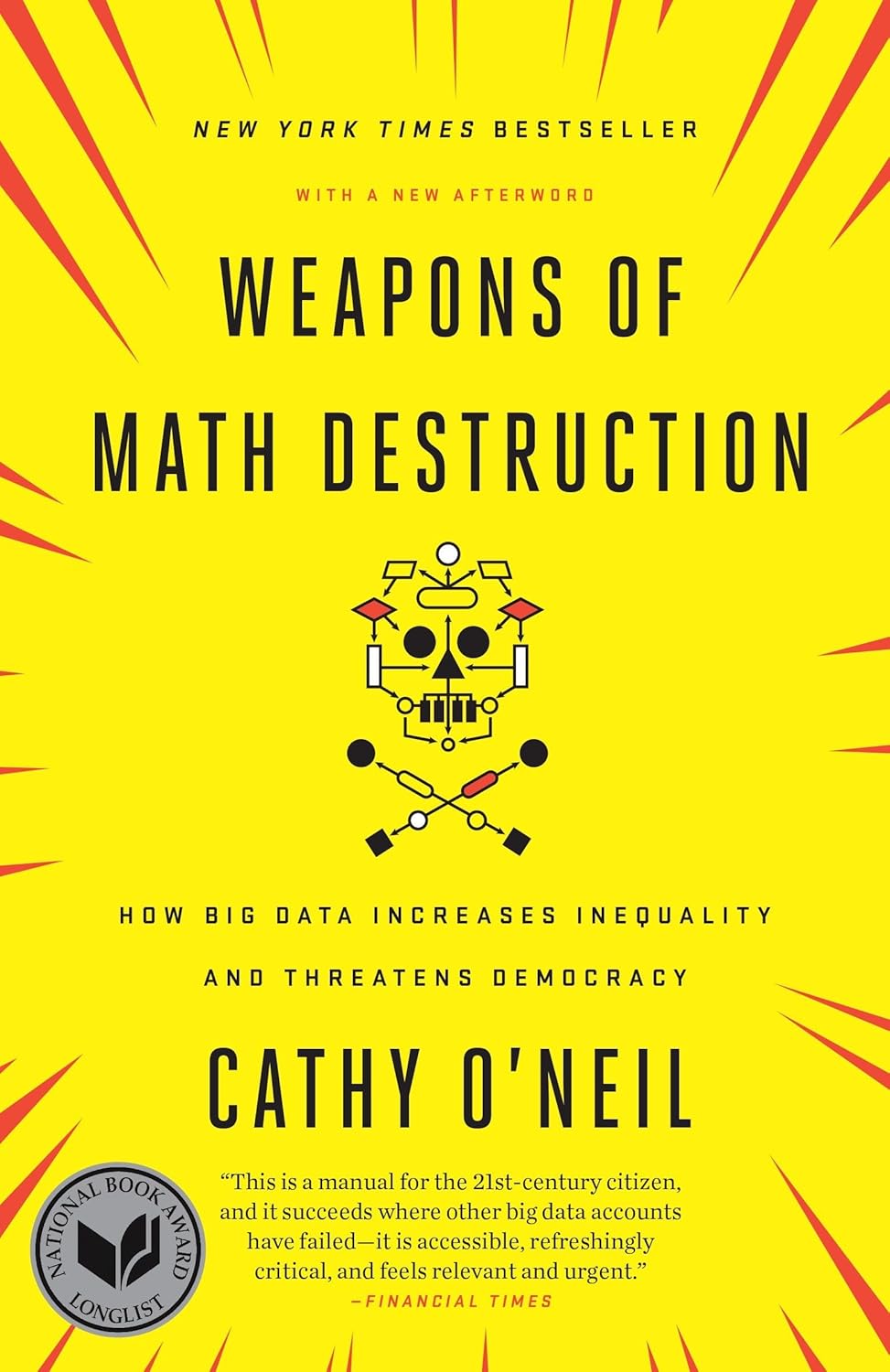
How opaque algorithms decide who gets credit, a job or parole — and why they tend to punish the same people.
As an Amazon Associate, Zendoric earns from qualifying purchases; the price does not change for you. · all our recommended books →
The pitch for artificial intelligence is abundance: cheaper tools, faster work, eventually cures and longer lives. But the same falling costs that democratize AI also democratize fraud — and that bill is arriving first.
The facts are stark. According to the FBI's 2025 Internet Crime Report, cited by CBS News, Americans reported nearly $893 million in AI-enabled scam losses last year, part of more than 1 million complaints and over $20 billion in total internet-crime losses. The human cases give the number a face: a Cobb County, Georgia couple lost roughly $800,000 in a crypto scam, and a South Florida immigration attorney found criminals had cloned his voice and identity to prey on immigrants seeking legal help.
The mechanics matter, because they explain why familiar scams suddenly work better. Authorities quoted by CBS say generative AI lets criminals clone voices from social-media videos, spoof legitimate phone numbers, fabricate convincing photos, and research family relationships to make an emergency plea sound real. The 'grandparent scam' — an AI-mimicked grandchild claiming to be in trouble — is the textbook example. State-level figures show the concentration: Florida logged 350 AI-related complaints and nearly $39.9 million in losses; Georgia, 71 complaints and more than $10.4 million. The FBI cautions these numbers likely undercount reality, because most victims never report.
Context is worth stating plainly: AI complaints remain a small slice of all internet crime, and voice-cloning fraud predates today's tools. What AI changes is the economics of deception. A convincing fake voice used to require skill; now it requires a public video and a cheap tool. That asymmetry — trivial to fake, hard to verify in the moment — is the real story.
Our read: this is the short-term cost of the transition we keep flagging, not an argument against the technology. The same capability that lets a scammer imitate your grandchild will, on a longer horizon, help detect disease and expand what humans can do. But that future is not automatic, and it does not excuse the harm landing now. The defenses named here are refreshingly low-tech and worth repeating: agree on a family code word, verify urgent money requests through a known number, and treat manufactured urgency as the tell. As investigators put it, verification rather than speed is now the strongest defense — a habit worth building before the next call comes. The institutions that will earn trust in the AI era are the ones that make verification cheap and default, rather than leaving each of us to outrun the fakes alone.
📚 Go deeper
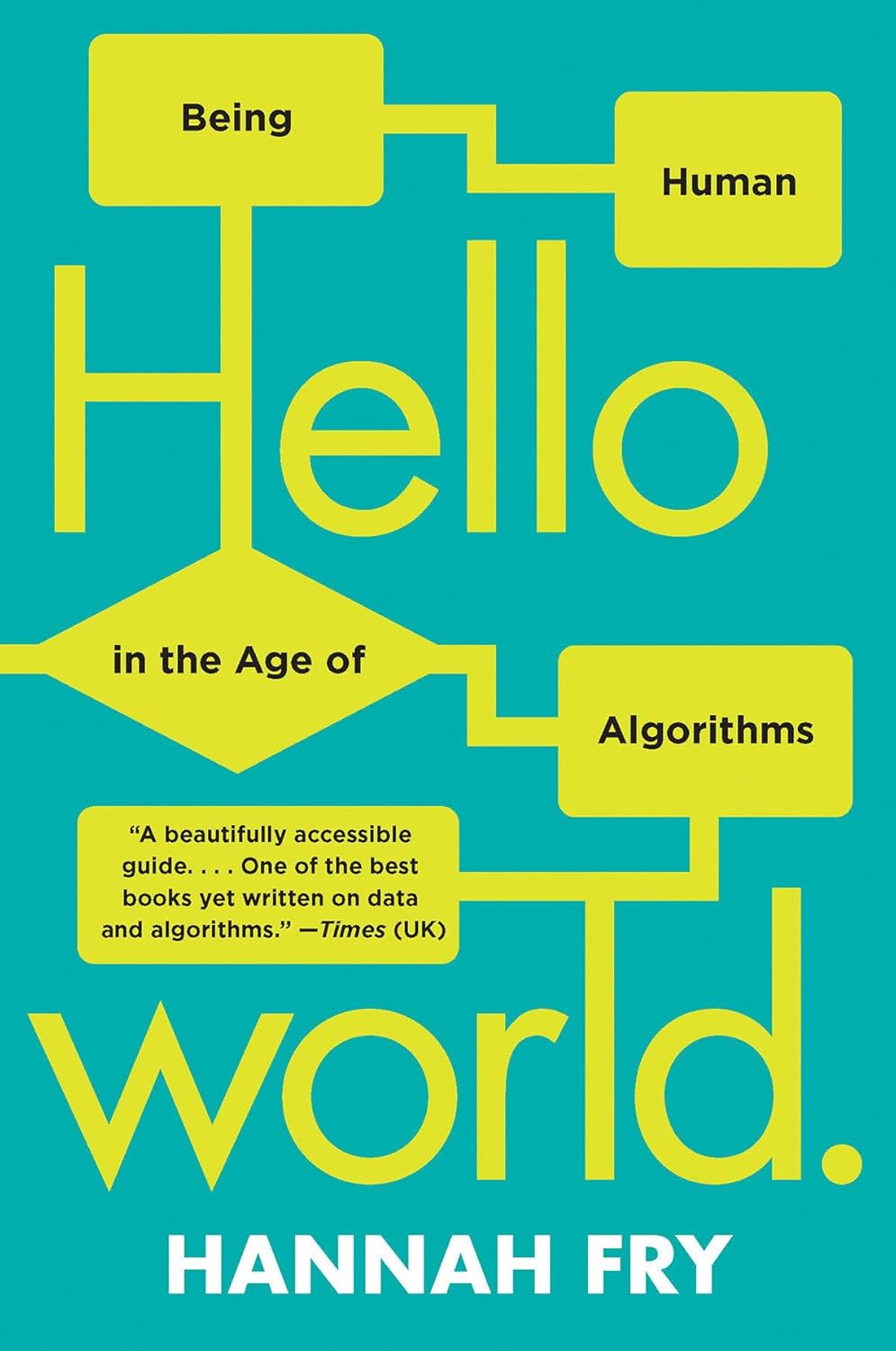
Algorithms in justice, medicine, cars and art, explained with British humor and mathematical honesty.

AI as the latest chapter in the history of information networks, from gossip to the printing press to the algorithm.
As an Amazon Associate, Zendoric earns from qualifying purchases; the price does not change for you. · all our recommended books →
🔗 Related on Zendoric
- AI Voice Cloning Fuels Nearly $900M in US Scam Losses, FBI Data Shows — and Georgia Isn't Spared · 2026-07-21
- Three seconds of audio is all a voice clone needs — and every defense we have arrives too late · 2026-09-04
- Voice-Cloning Scams Show Why AI Fraud Defense Must Outpace AI Fraud Itself · 2026-07-03