Voice-Cloning Scams Show Why AI Fraud Defense Must Outpace AI Fraud Itself

🕒 Published on Zendoric: July 3, 2026 · 01:20
✨ AI-generated · how it's made
A California father wired $18,000 after hearing what sounded exactly like his daughter's voice in a distress call. The fake was convincing enough to bypass the oldest verification tool humans have: recognizing a loved one's voice.
📚 Go deeper
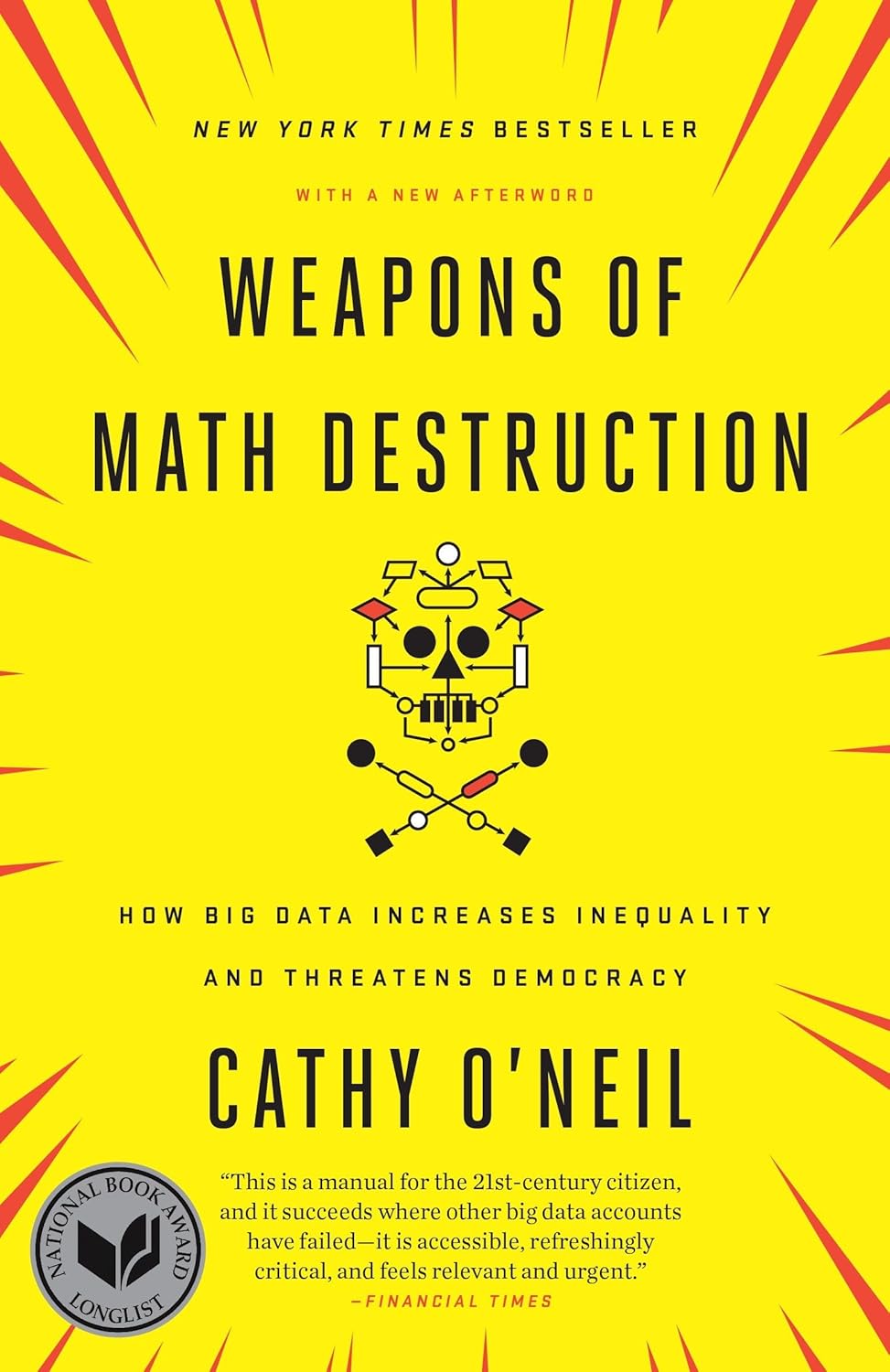
How opaque algorithms decide who gets credit, a job or parole — and why they tend to punish the same people.
As an Amazon Associate, Zendoric earns from qualifying purchases; the price does not change for you. · all our recommended books →
The reported facts are stark: an emergency call, a voice indistinguishable from a real daughter's, and an $18,000 loss before anyone could verify what was actually happening. No sophisticated hacking was needed — just a few seconds of audio, likely scraped from social media or a past phone call, fed into a voice-cloning tool that is now cheap, fast, and widely accessible.
This is not a hypothetical risk anymore; it's the same pattern we've flagged before regarding AI-powered fraud, projected to grow from roughly $23 billion in 2025 to $58 billion by 2030. Voice cloning is simply the most emotionally effective vector: it exploits trust built over a lifetime, not a technical vulnerability. The 'emergency' framing is deliberate — panic short-circuits verification instincts that would otherwise catch a scam.
The uncomfortable truth is that the same generative capability enabling personalized medicine, better tutoring, and scientific breakthroughs also lowers the cost of deception to nearly zero. This is the short-term cost of powerful, accessible AI: it's a dual-use technology, and criminals adopt new tools faster than families adopt new defenses like family safe-words or callback verification.
Our reading: this case is a symptom of a transition, not a verdict on AI itself. Just as spam filters and two-factor authentication emerged as adaptive responses to email and account fraud, voice-verification protocols and AI-detection tools are already being built to counter cloning — often using the same underlying technology. The long-term trajectory still points toward AI eliminating far more harm than it creates, from disease diagnosis to safety systems, but getting there requires treating incidents like this as urgent signals for security literacy now, not just concerning headlines to scroll past.
📚 Go deeper
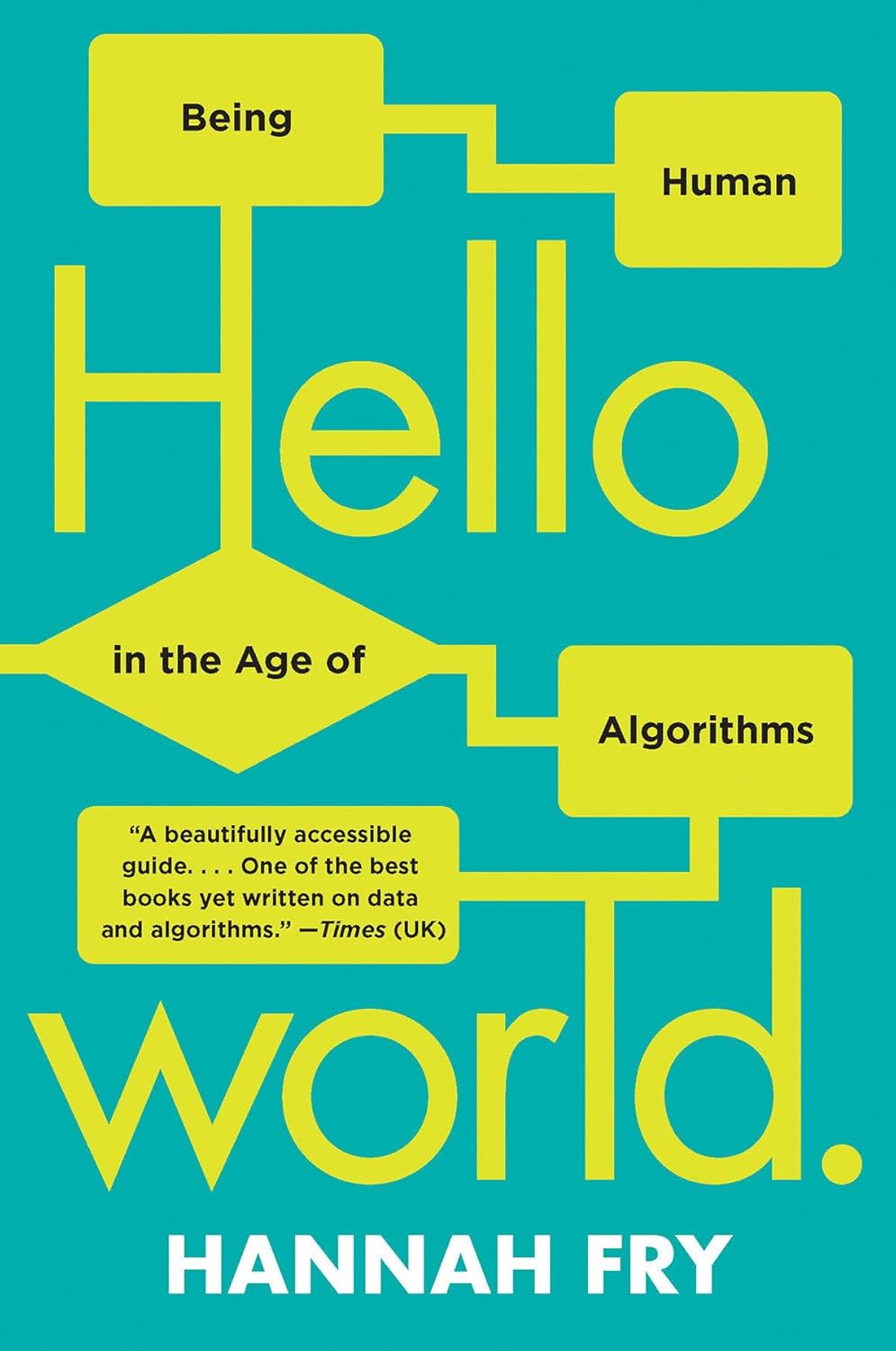
Algorithms in justice, medicine, cars and art, explained with British humor and mathematical honesty.

The definitive piece of investigative journalism on OpenAI: 260+ interviews, the clash between safety and speed, and the attempted firing of Sam Altma
As an Amazon Associate, Zendoric earns from qualifying purchases; the price does not change for you. · all our recommended books →
🔗 Related on Zendoric
- An AI Voice Clone of His Son Cost a Father $15K: The Trust Layer of Society Now Needs Verification · 2026-06-28
- AI Voice Cloning Fuels Nearly $900M in US Scam Losses, FBI Data Shows — and Georgia Isn't Spared · 2026-07-21
- AI Voice Clones Fuel $893M in Scams: The Fraud Wave Arrives Before the Cure · 2026-07-20