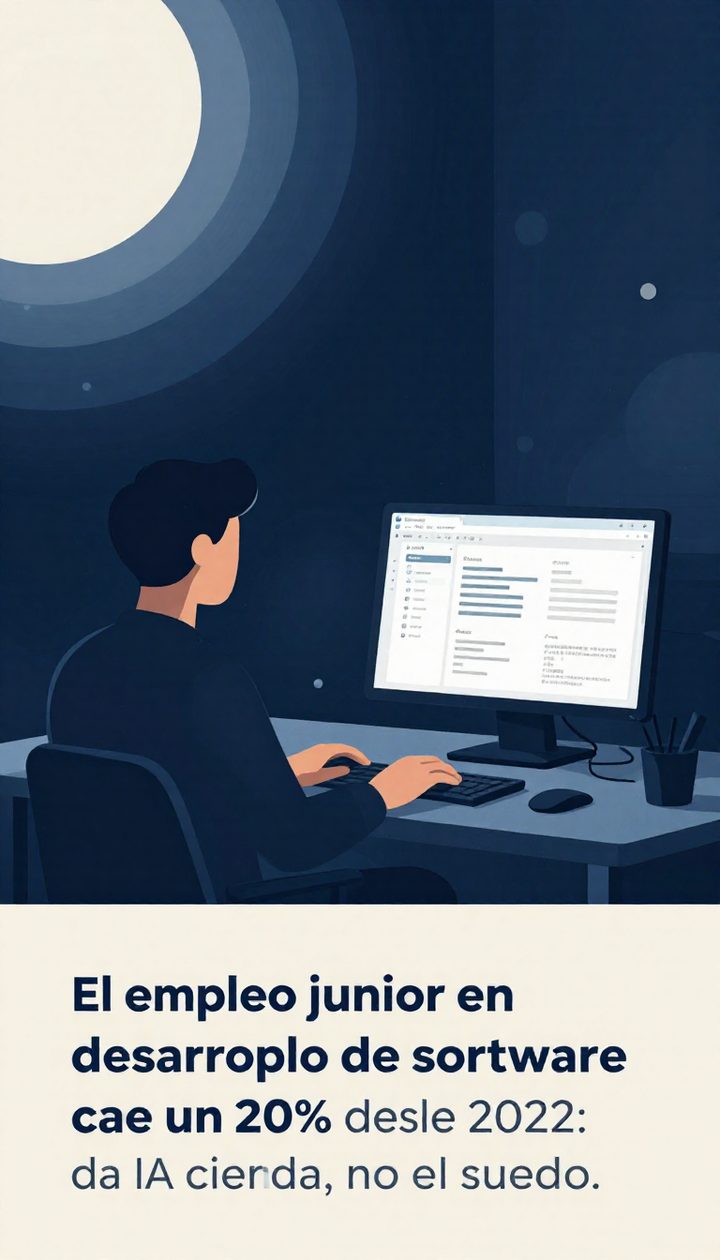
Junior employment in software development has fallen 20% since 2022: Stanford confirms AI is closing the entry door, not the paycheck
🕒 Published on Zendoric: July 20, 2026 · 00:19
✨ AI-generated · how it's made
A Stanford Digital Economy Lab study using ADP payroll data confirms that employment of workers aged 22-25 in AI-exposed occupations fell between 6% and 16% since 2022, peaking at 20% in software development. Wages barely move: the adjustment comes through the number of hires, not pay.
📚 Go deeper
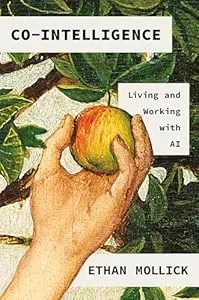
The best starting book if you're not technical: a Wharton professor explains how to work WITH AI — when to delegate, when to supervise, when to keep i
As an Amazon Associate, Zendoric earns from qualifying purchases; the price does not change for you. · all our recommended books →
By Ecosistema Startup · July 19, 2026.
The figure is concrete and comes from a solid source: the Stanford Digital Economy Lab analyzed millions of payroll records from the processor ADP in the United States and found that employment of workers aged 22 to 25 in occupations exposed to generative AI fell between 6% and 16% since the end of 2022, with a peak of 20% in software development. The study, published in November 2025 and later reinforced by the same university's AI Index 2026, isolates the effect: within the same companies, hiring for entry-level positions exposed to AI fell 13% compared with less exposed positions, which rules out its being merely a macroeconomic phenomenon linked to high interest rates or lower venture capital investment. There is, according to the authors, a direct causal effect of the adoption of tools like ChatGPT and code assistants.
The most revealing detail is not the drop in employment itself, but how the adjustment happens. The salaries of those who do manage to get in do not fall significantly; what disappears is the number of doors. That is consistent with what we have spent months documenting at Zendoric sector by sector: AI is not devaluing the human work that survives, it is reducing the number of entry-level positions available to learn that work. In technology, the tasks that traditionally served as a school for a junior —writing basic functions, doing simple debugging, answering repetitive tickets— are exactly the ones GitHub Copilot, Cursor and customer-service agents already resolve in seconds.
There lies the structural problem that the Ecosistema Startup article poses well, though it is worth separating Stanford's finding (rigorous, with payroll data) from the management advice built on top of it (a layer of recommendations for founders, based more on common sense than on its own evidence). If the first rung of the professional ladder is automated, the question that remains open is where the seniors of five or ten years from now will come from. A senior developer is not born fully formed: they are made by repeating simple tasks, making cheap mistakes and being corrected. If that training-by-repetition disappears because the machine already does it better and faster, the tech sector faces a generational talent gap that is not solved with more funding or lower salaries, because salaries, precisely, are not the problem.
This connects with the thesis we hold at Zendoric about AI's impact on employment: the adjustment is neither uniform nor simply "AI destroys jobs," it is a redistribution in which the routine and the replicable lose market value and what demands judgment, supervision and human relationship gains it. Software development is a textbook case: the productivity of the senior programmer with AI rises, but the nursery where the next seniors were once trained dries up. In the short term this is a real and painful problem for a generation of twenty-somethings who see the door into the sector —with better salaries and more stability— closing just when they most need it. There is no honest way to gloss over that.
At the same time, the study itself leaves an exit: the finding is not that AI eliminates juniors' potential, but that it breaks the learning-by-repetition model that had worked the same way for decades. Companies that replace that model with one where the junior learns to supervise, verify and direct AI from day one —instead of competing with it on mechanical tasks— can turn the scarcity of entry-level positions into a hiring advantage, because most of the market will keep looking for junior profiles with the criteria of five years ago. It is the same dynamic we have seen in other sectors: young people's work does not disappear, what is demanded of it changes radically.
Our underlying reading, the one that connects this figure with the horizon we defend at Zendoric, is that we are in the most uncomfortable phase of the transition: the one that destroys the traditional path in before a proven and widespread substitute exists. It is exactly the kind of short-term friction that should not be minimized. But the same engine that closes this door —AI's ability to absorb repetitive work at scale— is the one that, sustained over time, frees human capital to devote itself to what there previously was neither time nor resources to do well: architecture, judgment, verification, client relationships. The real challenge, and the one that will decide which companies and which countries come out ahead this decade, is whether we will know how to build a new talent-training model in time, before the generation that should be entering now is left permanently out.
📚 Go deeper
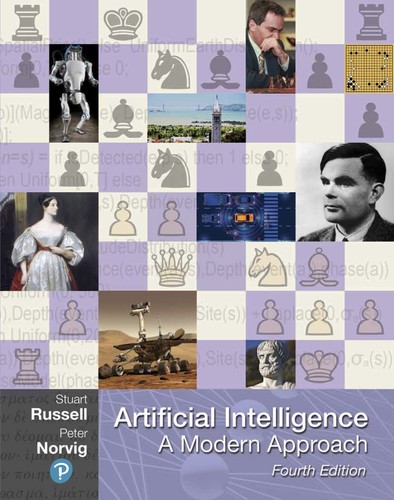
THE AI textbook: used by 1,500+ universities.

The academic "bible" of deep learning, with a Turing Award winner among its authors, and legally free on the web.
As an Amazon Associate, Zendoric earns from qualifying purchases; the price does not change for you. · all our recommended books →
🔗 Related on Zendoric