The Junior Coder Squeeze: If We Stop Hiring Beginners, Where Do Seniors Come From?

🕒 Published on Zendoric: July 10, 2026 · 00:24
✨ AI-generated · how it's made
AI is quietly closing the entry door to software careers: hiring of junior programmers is freezing while models handle the routine code. The real danger isn't this year's layoffs — it's breaking the pipeline that makes tomorrow's senior engineers.
📚 Go deeper
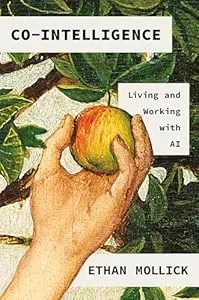
The best starting book if you're not technical: a Wharton professor explains how to work WITH AI — when to delegate, when to supervise, when to keep i
As an Amazon Associate, Zendoric earns from qualifying purchases; the price does not change for you. · all our recommended books →
The facts, as reported, are sobering for anyone who bet a career on "learn to code." Spanish graduates who started their degrees when ChatGPT didn't yet exist are now finishing into a market that no longer wants them at the bottom rung. One computer-science-and-math dual-degree student describes how the first ChatGPT arrived in his second year as little more than a search box, and by his fourth year was doing the work faster than he could. A web-and-mobile graduate spent eighteen months hitting the same wall — every posting demanded experience — before landing a tech-support job at roughly 1,200 euros. ESADE professor and AI expert Esteve Almirall puts it bluntly: "the junior programmer is disappearing," because today's models "code better than almost any human," and what once took an army of programmers for mechanical or preliminary tasks a model now does in hours, with higher quality.
This is exactly the short-term disruption we refuse to sugarcoat. The most exposed work is the routine, mechanical layer — and entry-level coding is precisely that layer. It fits the pattern we've tracked across sectors: the back-office and the standardized task get absorbed first, while judgment, architecture, and client relationships hold. The cruel twist is generational. The people being displaced didn't choose a dying field; they chose the field everyone called the safest bet, and the ground shifted under them mid-degree. That's a real cost borne by real people, and "reskill" is a thin answer when the goalposts moved in four years.
But the sharpest question in the piece isn't about this cohort — it's the one the industry is asking itself: "Where will the future seniors come from?" Senior engineers are not born; they are juniors who spent years making mistakes, reading messy codebases, and absorbing tacit judgment. If the junior tier is automated away, firms may be optimizing this quarter's costs while quietly eroding the talent pipeline that produces the very people who supervise, correct, and direct the AI. You cannot skip the apprenticeship and still expect masters.
Our reading: this is a transition problem being mistaken for an endpoint. The role isn't vanishing so much as changing altitude — the value moves from writing code to specifying, reviewing, integrating, and governing what the models produce, which is a faster and messier climb than the old ladder. The optimistic long-term case still holds: when the mechanical work is cheap, human effort is freed for the parts machines don't do — deciding what to build and why. But that future is not automatic. It depends on companies and schools deliberately rebuilding the on-ramp — apprenticeships oriented around orchestrating AI, judgment and systems thinking taught early — rather than letting the bottom rung rot and acting surprised in a decade when there's no one qualified to stand on the top one. The abundance is coming; the bridge to it has to be built on purpose.
📚 Go deeper
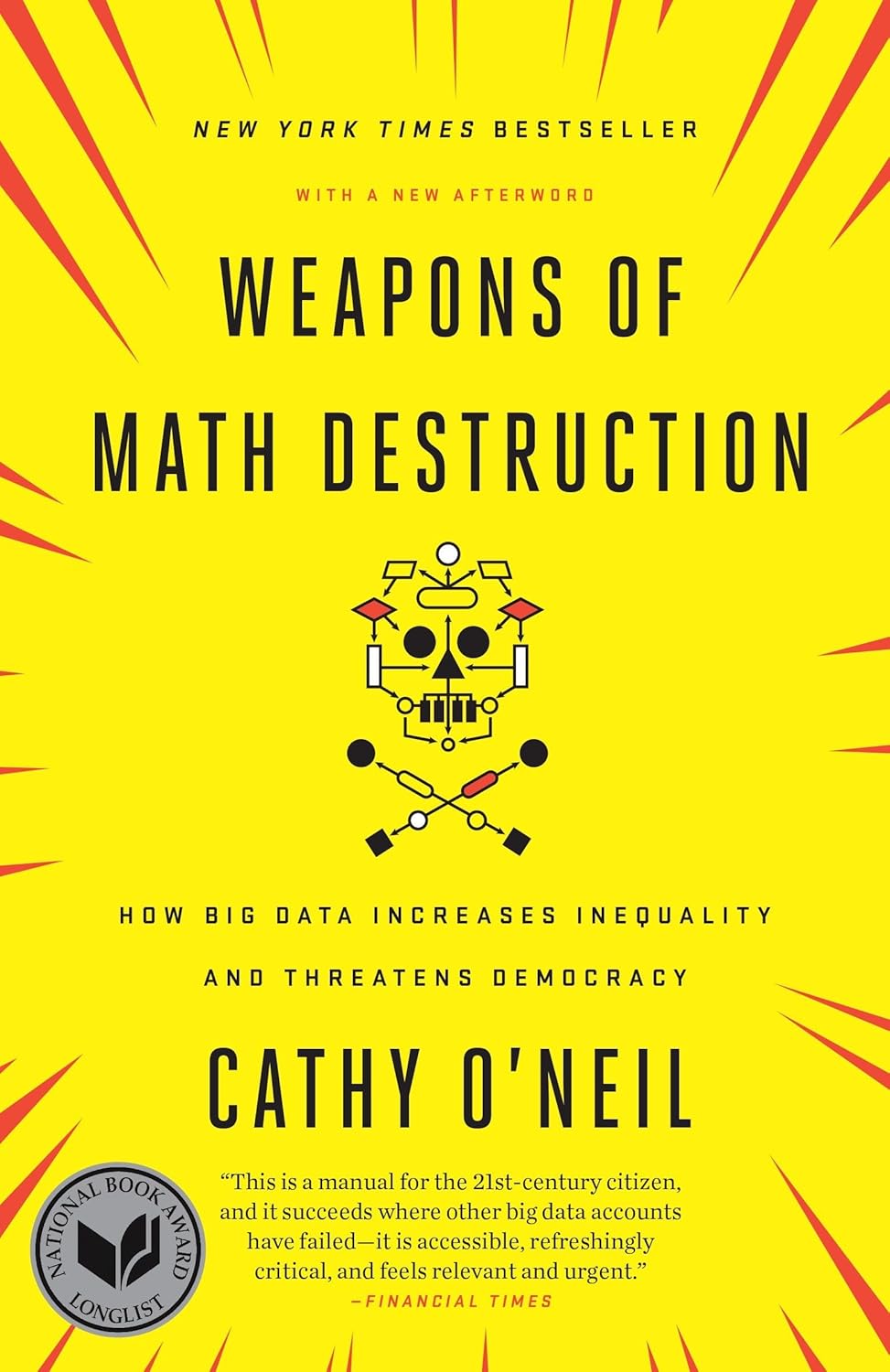
How opaque algorithms decide who gets credit, a job or parole — and why they tend to punish the same people.
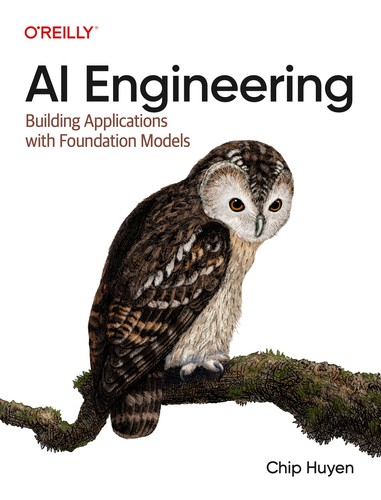
The reference manual for building products on top of AI models: prompts, RAG, fine-tuning, agents, evaluation and deployment.
As an Amazon Associate, Zendoric earns from qualifying purchases; the price does not change for you. · all our recommended books →
🔗 Related on Zendoric
- The Junior Programmer Vanishes: AI Is Eating the Bottom Rung of the Software Ladder · 2026-07-11
- Junior employment in software development has fallen 20% since 2022: Stanford confirms AI is closing the entry door, not the paycheck · 2026-07-20
- When closing the door pushes the customer to the shop across the street: the paradox of AI controls · 2026-06-24