An Albuquerque school wants to teach teens to audit AI, not just use it
🕒 Published on Zendoric: July 20, 2026 · 00:19
✨ AI-generated · how it's made
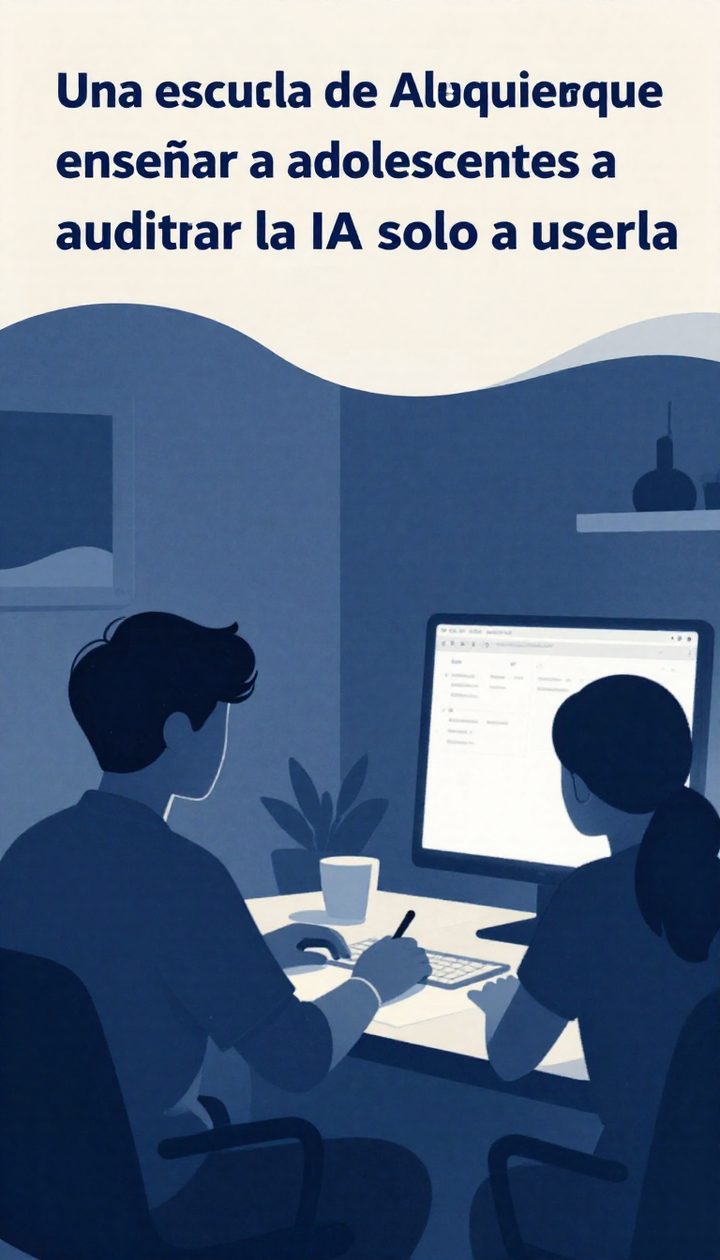
A group of educators in Albuquerque is proposing a public school that combines STEM, the history of Al-Andalus and an unusual subject: a rubric for students to verify whether the data an AI gives them is reliable. The school board votes on the proposal on August 19.
📚 Go deeper
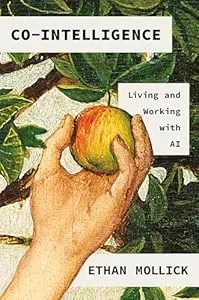
The best starting book if you're not technical: a Wharton professor explains how to work WITH AI — when to delegate, when to supervise, when to keep i
As an Amazon Associate, Zendoric earns from qualifying purchases; the price does not change for you. · all our recommended books →
By Zendoric · July 20, 2026.
A group of teachers in Albuquerque (New Mexico) has submitted an application to the Albuquerque Public Schools (APS) board to open a charter school —a publicly funded, independently managed school financed with state funds but with its own curriculum— called Andalusia Natural Sciences Academy (ANSA). According to the application itself, cited by the Albuquerque Journal, the school will combine "rigorous STEM education, project-based learning, responsible AI literacy and the rich cultural heritage of New Mexico," using Spanish colonial history, that of the Middle East and that of Al-Andalus —the territory of the Iberian Peninsula under medieval Muslim rule— as a throughline.
Radi Abouelhassan, a support teacher at APS with a doctorate in education and a master's in comparative literature from the University of New Mexico (UNM), will lead the project. Among the concrete examples he has given: students will use AI to build architectural models of buildings as an exercise in "real-world problem-solving." But the most relevant detail, from the school board's standpoint, was another: there will be "a rubric for students to verify data sources and assess their credibility," in Abouelhassan's words. In other words, it's not about teaching how to use AI, but about teaching how to distrust it systematically.
The plan, if approved, would open in August 2027 with only 9th and 10th grade, and would reach 9th-12th grade in its fourth year, with a target of 400 students. Abouelhassan admitted to the board that reaching 80 students in the first year would already be a success. The school seeks to locate in areas with a high presence of immigrant families, English-as-a-second-language students and Native American communities —the groups identified in the 2018 Yazzie-Martinez lawsuit, which determined that New Mexico was not providing an adequate education to those students. The context is no small matter: APS enrollment has fallen 20% since 2019 (from 80,109 to 63,726 students), which led board member Courtney Jackson to question how a new school will attract students in a shrinking education market.
More broadly, this type of initiative —"AI literacy" curricula in secondary education— is multiplying across the United States, almost always under the same dilemma: teaching how to use tools that students already use outside the classroom, before they do so without any critical filter. What sets ANSA apart is not the AI itself, but that the curricular overhaul places the emphasis on source verification as an explicit, assessable skill, not as a teacher's generic warning.
Our take: this connects directly with a thesis we have been repeating about AI and employment in the education sector —the winner in the AI era in the classroom is not the teacher who transmits content, but the one who orchestrates critical use of the tool. A teenager in 2027 who enters the labor market in 2033 will not compete on knowing how to "use" a language model —anyone with a phone will know how to do that— but on knowing when not to trust what that model answers. That is exactly the kind of short-term friction we anticipate: the transition toward a more abundant society thanks to AI will not arrive on its own: it requires the next generation to have the habit of auditing information before acting on it, something at which even sophisticated corporate systems fail today. An 80-student school in New Mexico does not change that equation on its own, but it is a local experiment in something we need at a national scale: curricula that treat critical thinking in the face of AI as a subject, not as an afterthought.
That said, it is worth keeping the project's real scale in mind: it is a charter school proposal pending approval by the school board on August 19, with no building of its own yet and a modest enrollment target. Its success or failure will depend as much on administrative execution —funding, facilities, recruiting students in a district that is losing them— as on the validity of its pedagogical bet. It is, at best, a pilot to watch, not a proven model.
📚 Go deeper
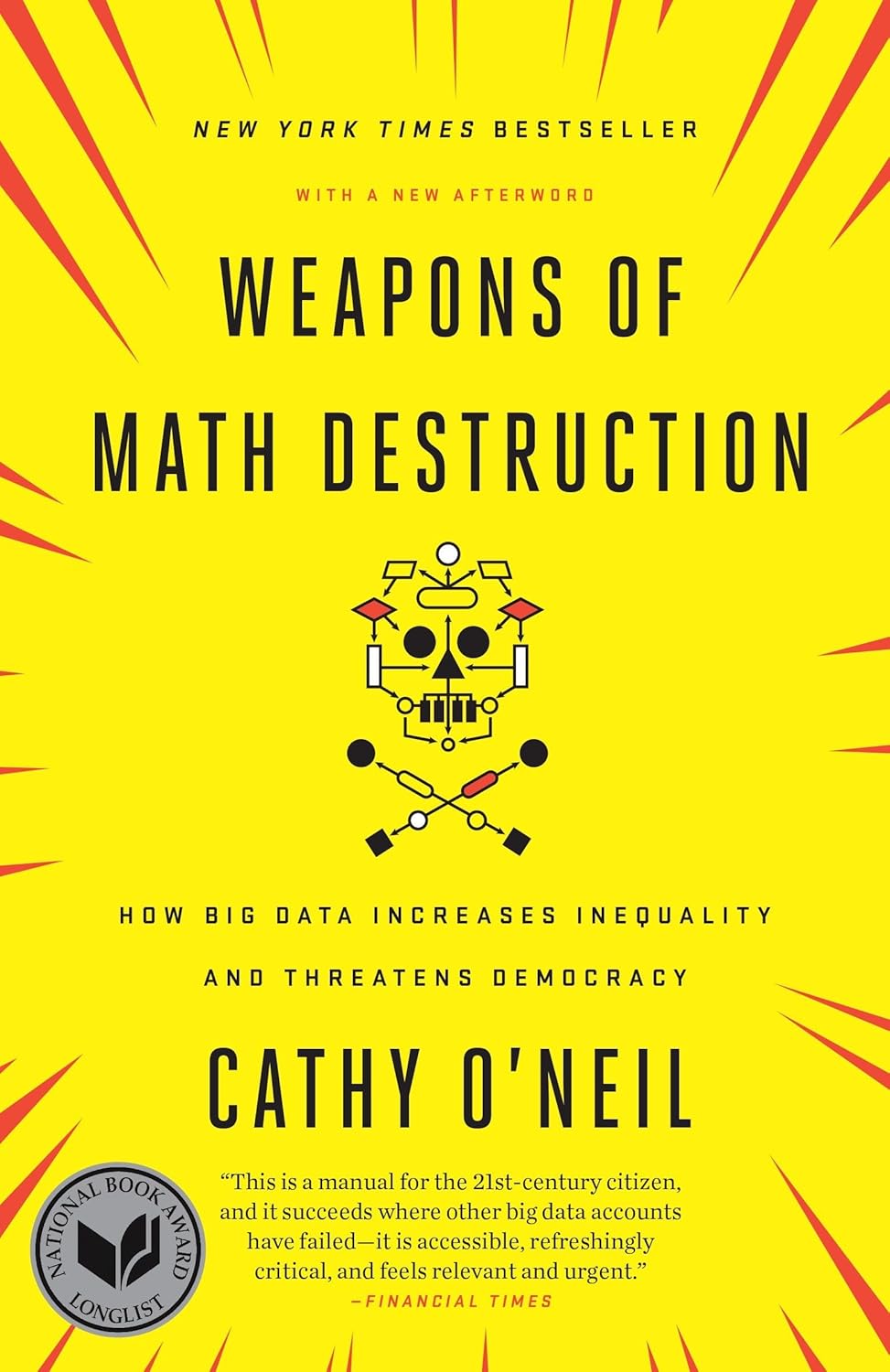
How opaque algorithms decide who gets credit, a job or parole — and why they tend to punish the same people.
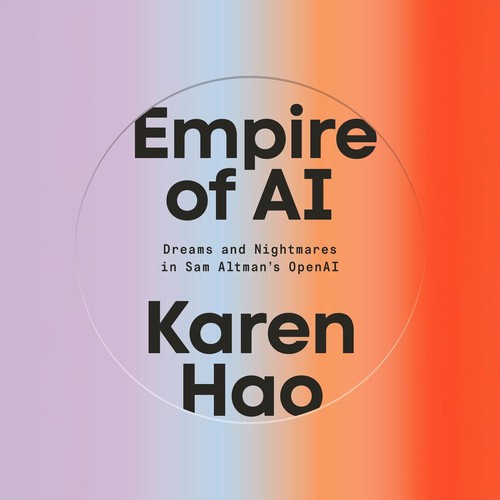
The definitive piece of investigative journalism on OpenAI: 260+ interviews, the clash between safety and speed, and the attempted firing of Sam Altma
As an Amazon Associate, Zendoric earns from qualifying purchases; the price does not change for you. · all our recommended books →
🔗 Related on Zendoric