Mexico and Canada 'explore' AI amid the USMCA crisis: technological cooperation as a diplomatic cushion

🕒 Published on Zendoric: July 19, 2026 · 00:04
✨ AI-generated · how it's made
Velasco and Anand discussed artificial intelligence in Ottawa as an area to explore, just as the U.S. refuses to extend the USMCA and forces annual reviews. Behind the announcement there is little technical substance and a lot of geopolitical signaling.
📚 Go deeper
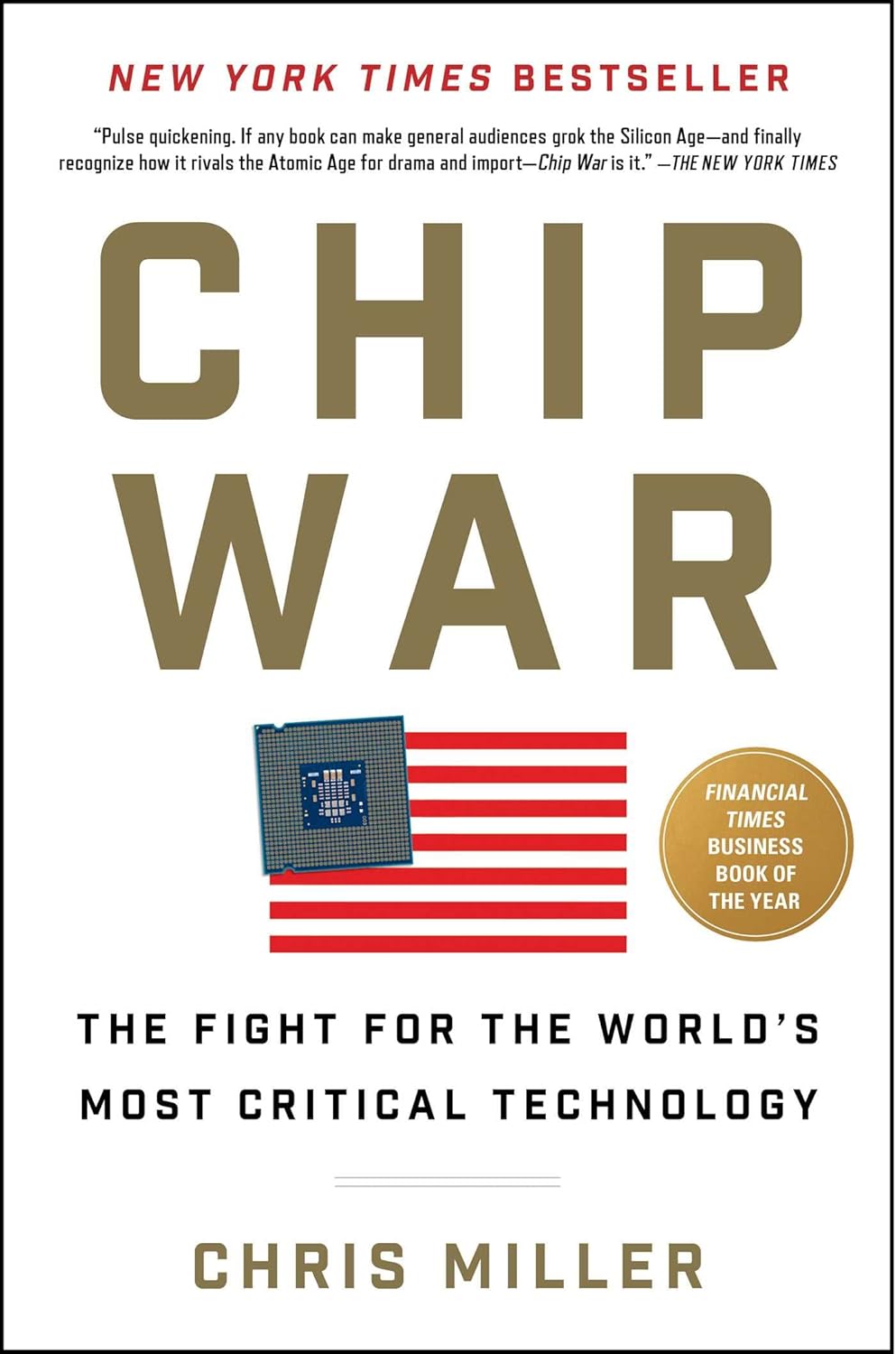
Semiconductors as the oil of the 21st century: history, espionage, and why an island of 23 million people underpins the entire AI economy.
As an Amazon Associate, Zendoric earns from qualifying purchases; the price does not change for you. · all our recommended books →
By Zendoric · July 19, 2026.
The facts are modest. Mexican official Roberto Velasco, from the Ministry of Foreign Affairs (SRE), traveled to Ottawa to follow up on the Mexico-Canada Action Plan 2025-2028 and met with Canadian Foreign Minister Anita Anand and with Marc-André Blanchard, chief of staff to Prime Minister Mark Carney. According to the SRE's own report cited by Infobae, both delegations "agreed to explore" artificial intelligence as one of the emerging sectors for expanding bilateral collaboration, alongside trade, health, security, transportation and environmental protection. There are no investment figures, no concrete projects, no timeline: it is a line of intent within a much broader agenda.
The context explains why this is happening now. The visit comes amid tension over the USMCA: the United States refused to automatically extend the treaty's term and forced annual reviews instead, introducing structural uncertainty for Mexico and Canada, the two partners most exposed to any protectionist shift from Washington. In parallel, from July 21 to 23 the Office of the U.S. Trade Representative (USTR) is holding in Mexico City the third round of bilateral negotiations with Mexico on steel, aluminum, the auto industry and economic security, with Representative Jamieson Greer meeting President Claudia Sheinbaum. Canada, for its part, has been waging its own trade frictions with Washington for months.
Our reading: when trade certainty with the United States weakens, the smaller members of the North American bloc look to diversify their ties with one another, and artificial intelligence works as a convenient label for that rapprochement. It is no coincidence that "AI" appears alongside trade, transportation and security in a single statement of intent: it is a way of showing that the bilateral relationship has a future beyond whatever Washington decides on the USMCA, without yet committing to anything concrete. On the geopolitical AI chessboard we have been following—dominated by the U.S.-China race—this episode is a reminder that there is also a "middle powers" dimension: countries that do not compete at the frontier of the models, but rather to secure access, talent and shared standards with whomever they can, as a hedge against dependence on a single dominant partner.
The risk of overreading is real. "Explore" and "agree to explore" are the verbs of a diplomatic communiqué, not binding commitments; Mexico and Canada have spent years talking about cooperation in emerging sectors without it translating into compute infrastructure, common regulatory frameworks or significant joint investment. As sector context, the real governance of AI in North America—where the data centers are built, what rules govern the models, who controls the chips—continues to be decided above all in Washington and, to a lesser extent, in Beijing. That Mexico and Canada are seeking each other out in this arena is a sign of reasonable prudence in the face of trade uncertainty, but turning it into a technology alliance with weight of its own will require much more than a follow-up meeting in Ottawa.
📚 Go deeper
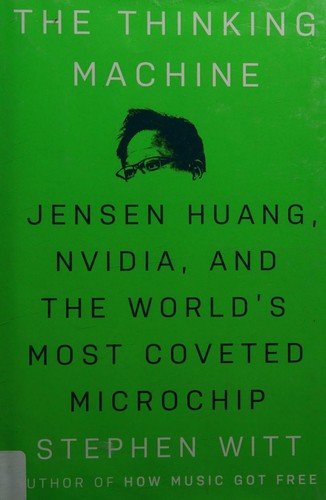
The story of NVIDIA and Jensen Huang: how a video-game card company ended up making the most coveted resource on the planet.
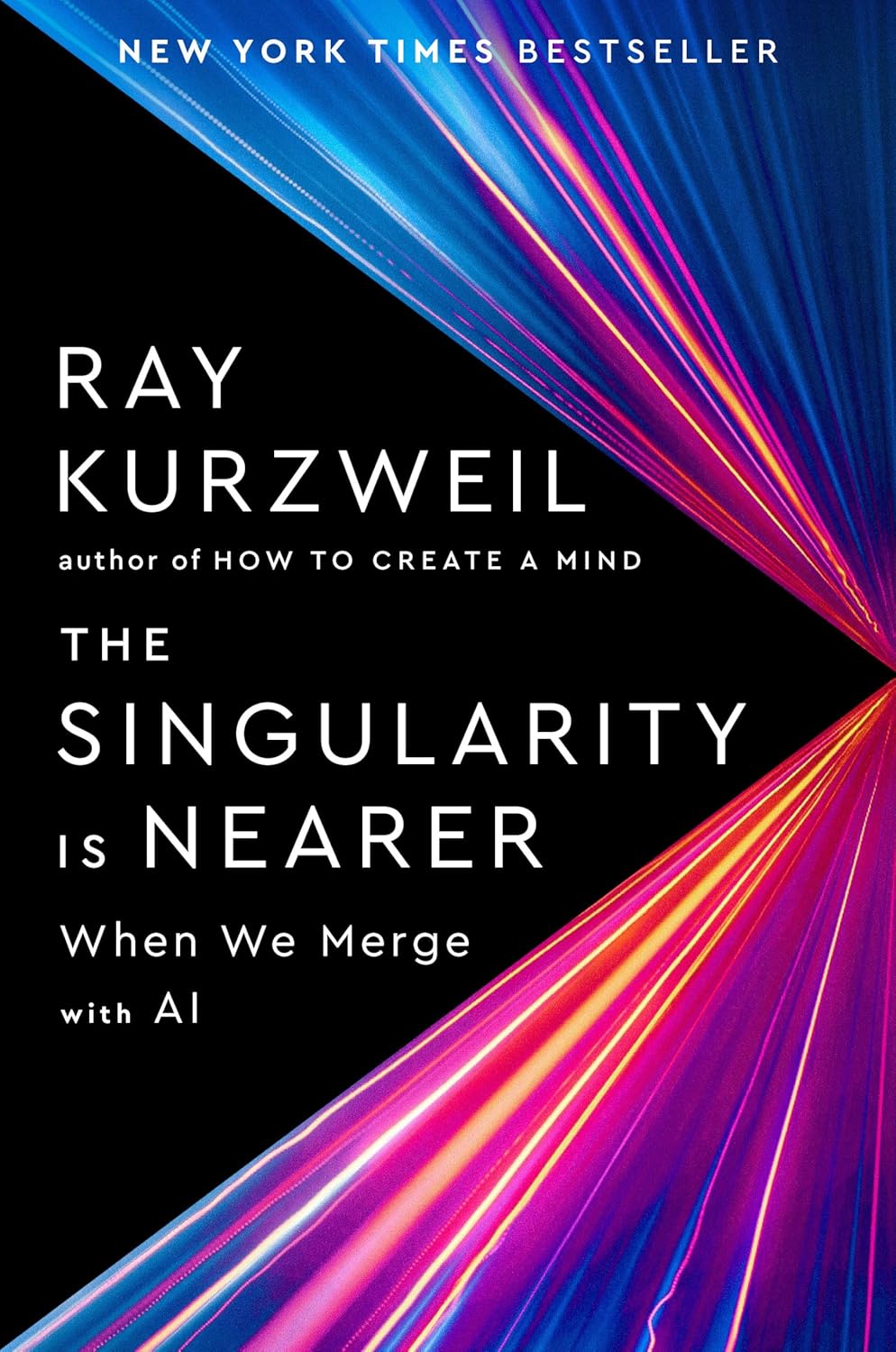
Twenty years after "The Singularity Is Near", Kurzweil revisits his predictions and keeps the date: human-AI merger around 2045.
As an Amazon Associate, Zendoric earns from qualifying purchases; the price does not change for you. · all our recommended books →
🔗 Related on Zendoric
- Virtual prisons and 'AGI' dates: a PR release illustrates how authority is manufactured without substance · 2026-07-13
- IPN students train AI with thousands of images to anticipate wildfires in Mexico · 2026-06-29
- A hospital claims to be a pioneer in using AI to detect infections earlier: the promise matters more than the headline · 2026-07-15