Anthropic accuses Moonshot of distilling its models to train Kimi K3

🕒 Published on Zendoric: July 19, 2026 · 00:04
✨ AI-generated · how it's made
Anthropic says China's Moonshot AI used distillation to siphon outputs from its models to help train Kimi K3, according to the claim reported here. It's an accusation, not a proven fact — but it marks how the frontier fight is shifting from who builds the best model to who controls its outputs.
📚 Go deeper
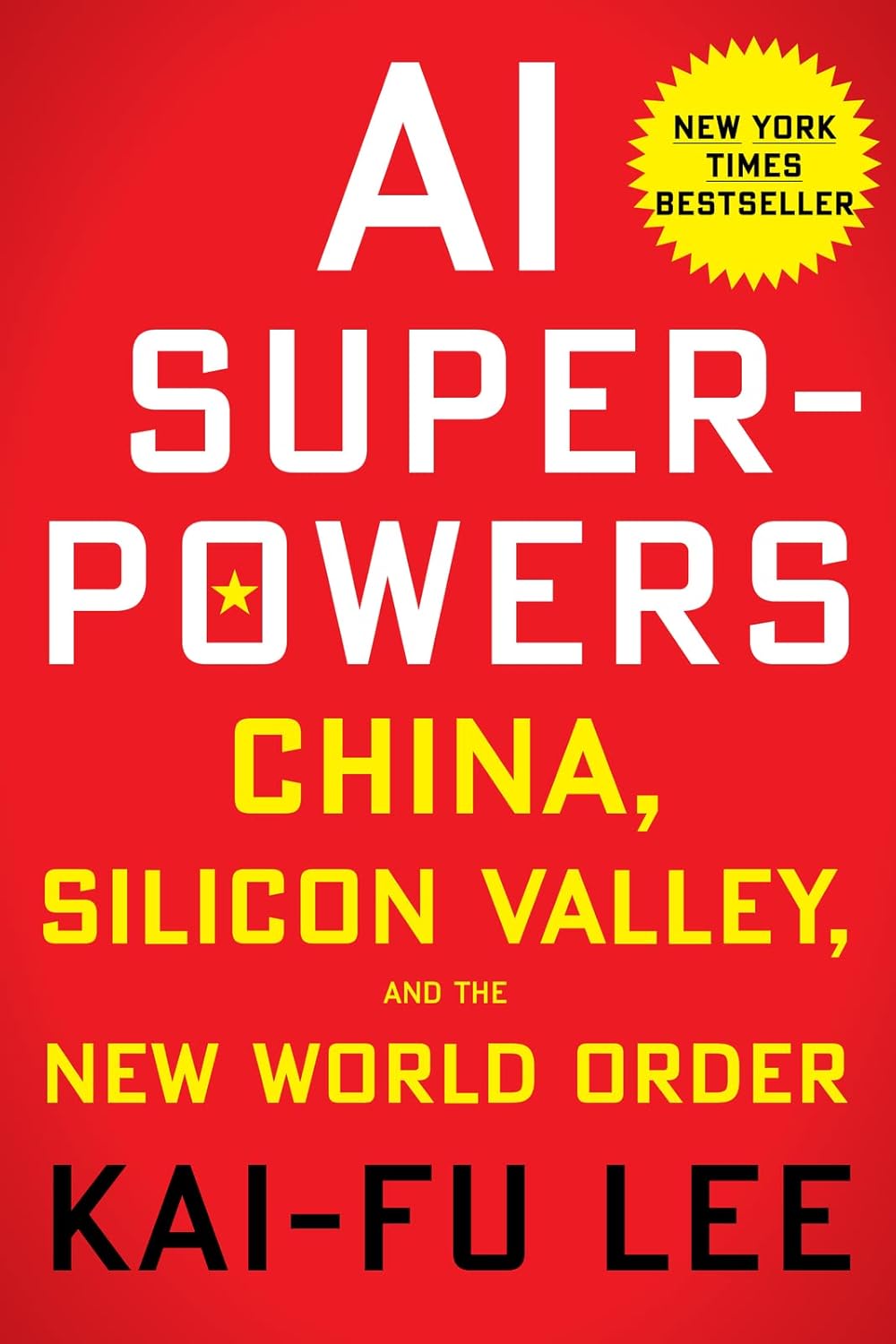
China vs.
As an Amazon Associate, Zendoric earns from qualifying purchases; the price does not change for you. · all our recommended books →
The claim is narrow but loaded. According to the note, Anthropic has accused Moonshot AI of using distillation techniques to extract data from its models in order to train Kimi K3. We treat this strictly as an allegation from Anthropic; no independent evidence, benchmark, or Moonshot response is available in the material, and we don't impute guilt.
A word on the technique, because it matters. Distillation is when a smaller or newer model learns by imitating the outputs of a larger, more capable one — the teacher answers, the student copies. It's a legitimate and widely used training method internally. The dispute here is not about distillation as a science; it's about doing it to someone else's model, allegedly against its terms of service, to shortcut the expensive work of building capability from scratch.
Why this keeps recurring is the real story. We've argued that Chinese open-weight labs — GLM, Qwen, DeepSeek, Kimi — are closing the gap with the Western frontier fast. Accusations like this one are the flip side of that narrative: when the distance between leader and follower shrinks, the leader's most valuable asset stops being the architecture and becomes the behavior of the model itself. Outputs become the moat. And moats get contested.
Our reading: verify before you take sides. Distillation claims are notoriously hard to prove — similar answers can come from similar training data, not theft — so extraordinary claims need harder evidence than a press line. But the direction of travel is clear. As capability commoditizes, the frontier fight moves from 'who is smartest' to 'who owns the outputs and can police their reuse.' Expect more of these disputes, more terms-of-service enforcement, and eventually clearer norms — or courtroom precedent — on what training on a rival's model is and isn't allowed. That's the messy short term. The long-term prize underneath the squabble is unchanged: cheaper, more capable models spreading faster than any single lab can gatekeep.
📚 Go deeper
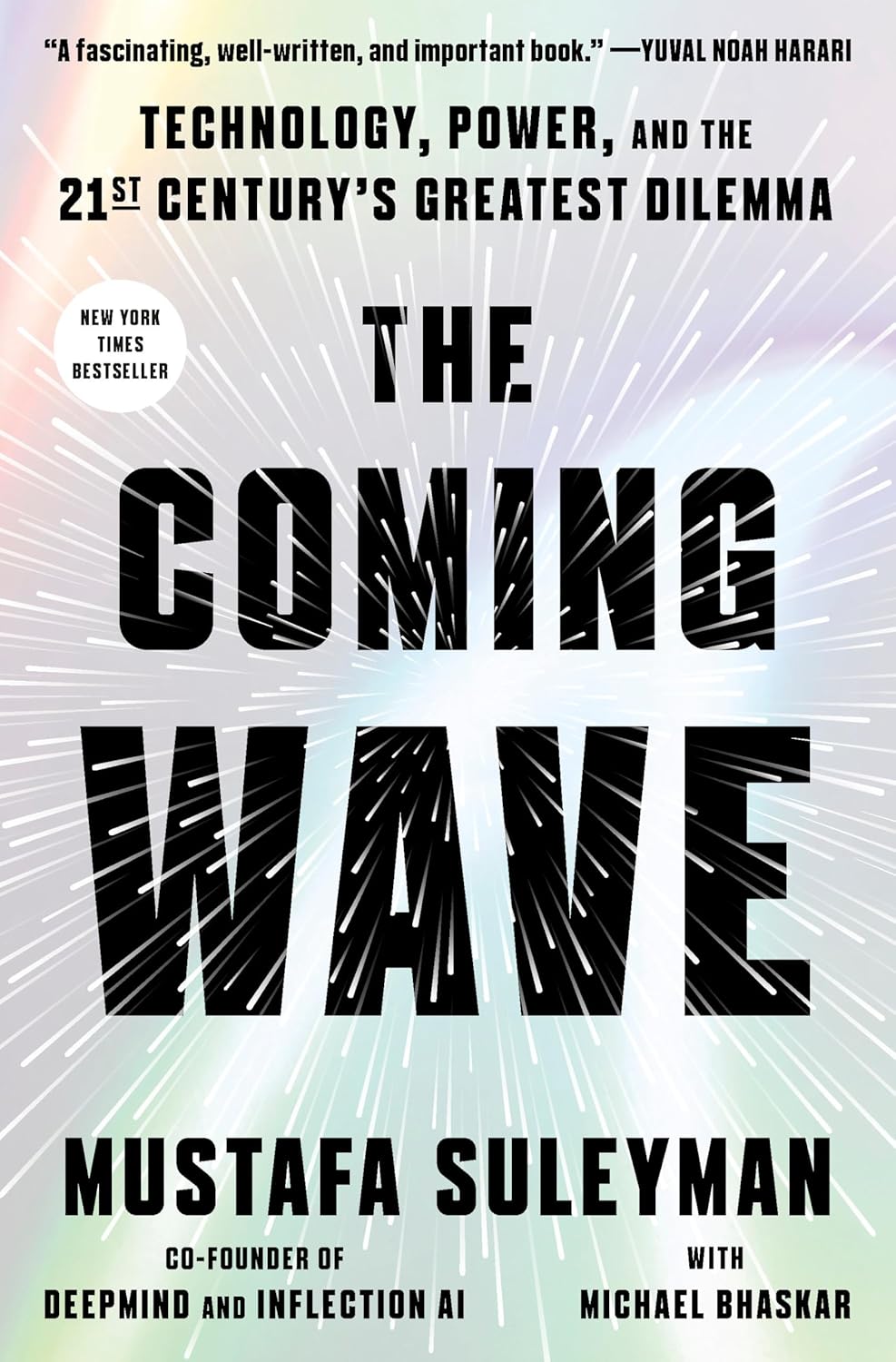
DeepMind co-founder on the dilemma of containing technologies that do not want to be contained.

Semiconductors as the oil of the 21st century: history, espionage, and why an island of 23 million people underpins the entire AI economy.
As an Amazon Associate, Zendoric earns from qualifying purchases; the price does not change for you. · all our recommended books →
🔗 Related on Zendoric
- Anthropic accuses Moonshot of distilling its models to train Kimi K3 · 2026-07-20
- The new frontier of tech espionage is not the chip, it's the API: Anthropic accuses Alibaba of 'distilling' Claude · 2026-06-25
- Anthropic's Claim That Alibaba Ran 29M Fake Queries to Clone Claude Reframes the Distillation Fight · 2026-06-27