Anthropic's Claim That Alibaba Ran 29M Fake Queries to Clone Claude Reframes the Distillation Fight

🕒 Published on Zendoric: June 27, 2026 · 09:00
✨ AI-generated · how it's made
Anthropic accuses Alibaba of running some 29 million queries to harvest Claude's outputs and clone its model. If accurate, it turns model distillation from a quiet practice into a courtroom-grade dispute.
📚 Go deeper
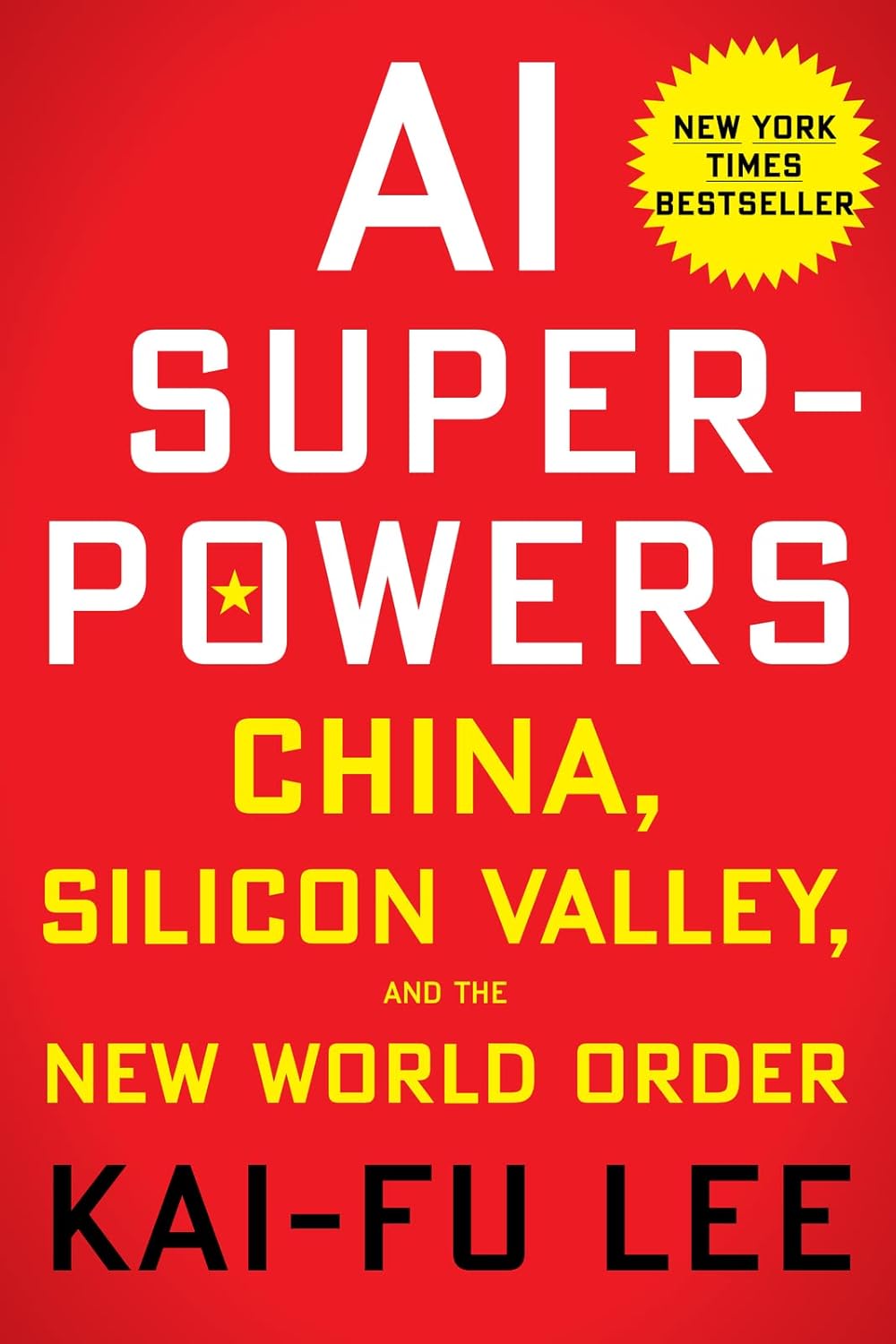
China vs.
As an Amazon Associate, Zendoric earns from qualifying purchases; the price does not change for you. · all our recommended books →
Anthropic has accused Alibaba of running roughly 29 million queries against Claude in what it characterizes as an effort to extract its outputs and replicate the model. We attribute this to Anthropic's claim; it is an accusation, and Alibaba's response and any proof belong to the process that follows.
The context is an industry-wide tension that has been simmering for a while. "Distillation"—training a cheaper model on a stronger model's responses—is technically straightforward and economically tempting. At scale, tens of millions of probing queries can map a model's behavior closely enough to imitate it. Frontier labs spend enormous sums on training and safety work, then watch competitors potentially shortcut that investment by querying the finished product.
The impact, if the claim holds, is significant. It pressures terms-of-service enforcement, sharpens the legal vocabulary around what counts as fair learning versus illicit cloning, and likely accelerates technical countermeasures: query monitoring, rate anomalies, output watermarking. It also lands inside a charged geopolitical frame between U.S. and Chinese AI players, which risks turning a contract dispute into a proxy for larger rivalries.
Our read: this is the friction of an immature market still writing its rules, and that friction is healthy if it forces clarity. Imitation is a sign the frontier is valuable—but value without enforceable norms invites a race to free-ride that could starve the very research that pushes capability forward. The constructive path is not walling knowledge off but building durable, enforceable conventions for how models can and cannot be used to train other models. Get those norms right and competition stays fierce and additive; get them wrong and everyone economizes on the expensive part—original research—which is precisely the part the world most needs to keep funding.
📚 Go deeper
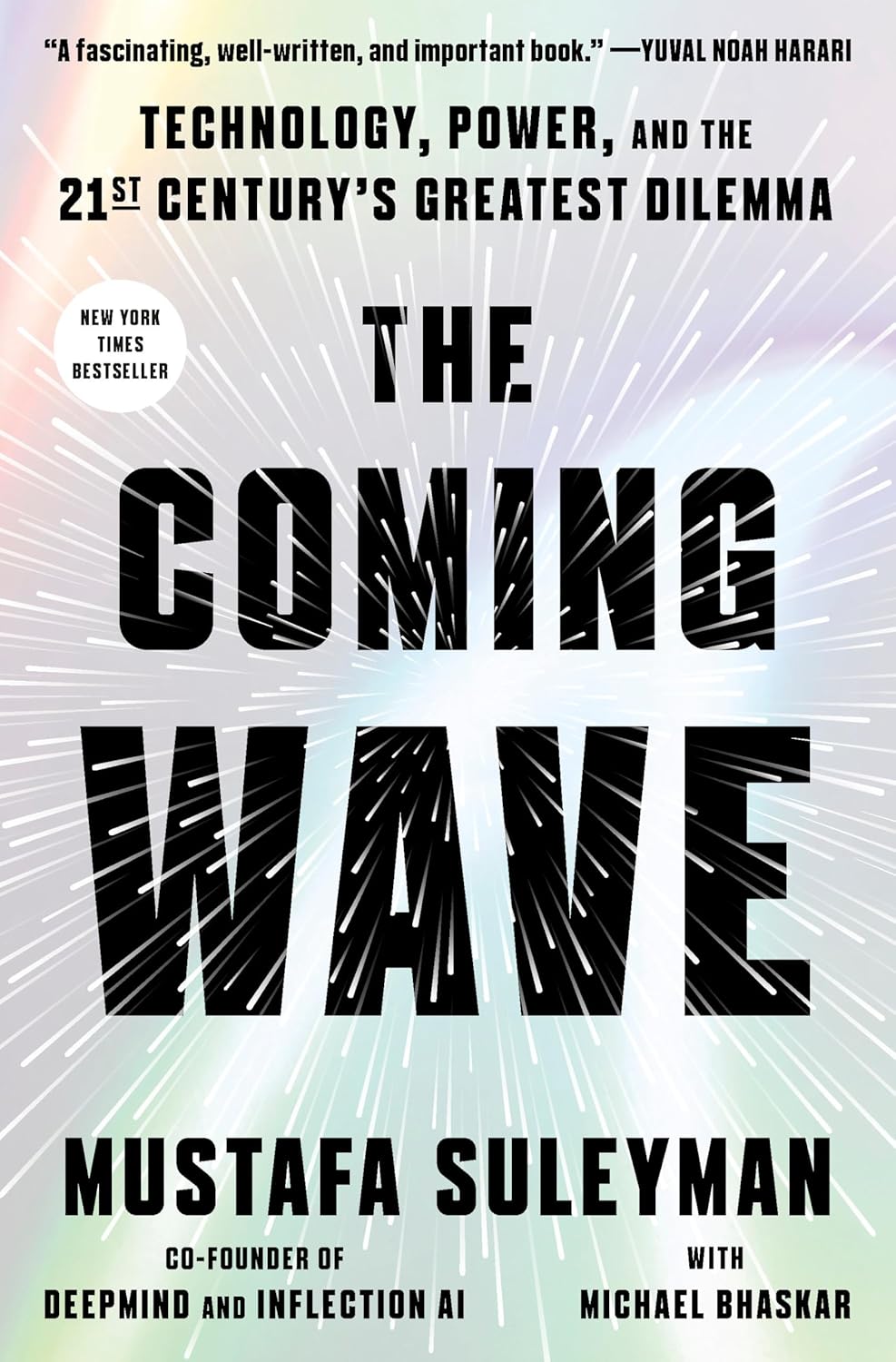
DeepMind co-founder on the dilemma of containing technologies that do not want to be contained.
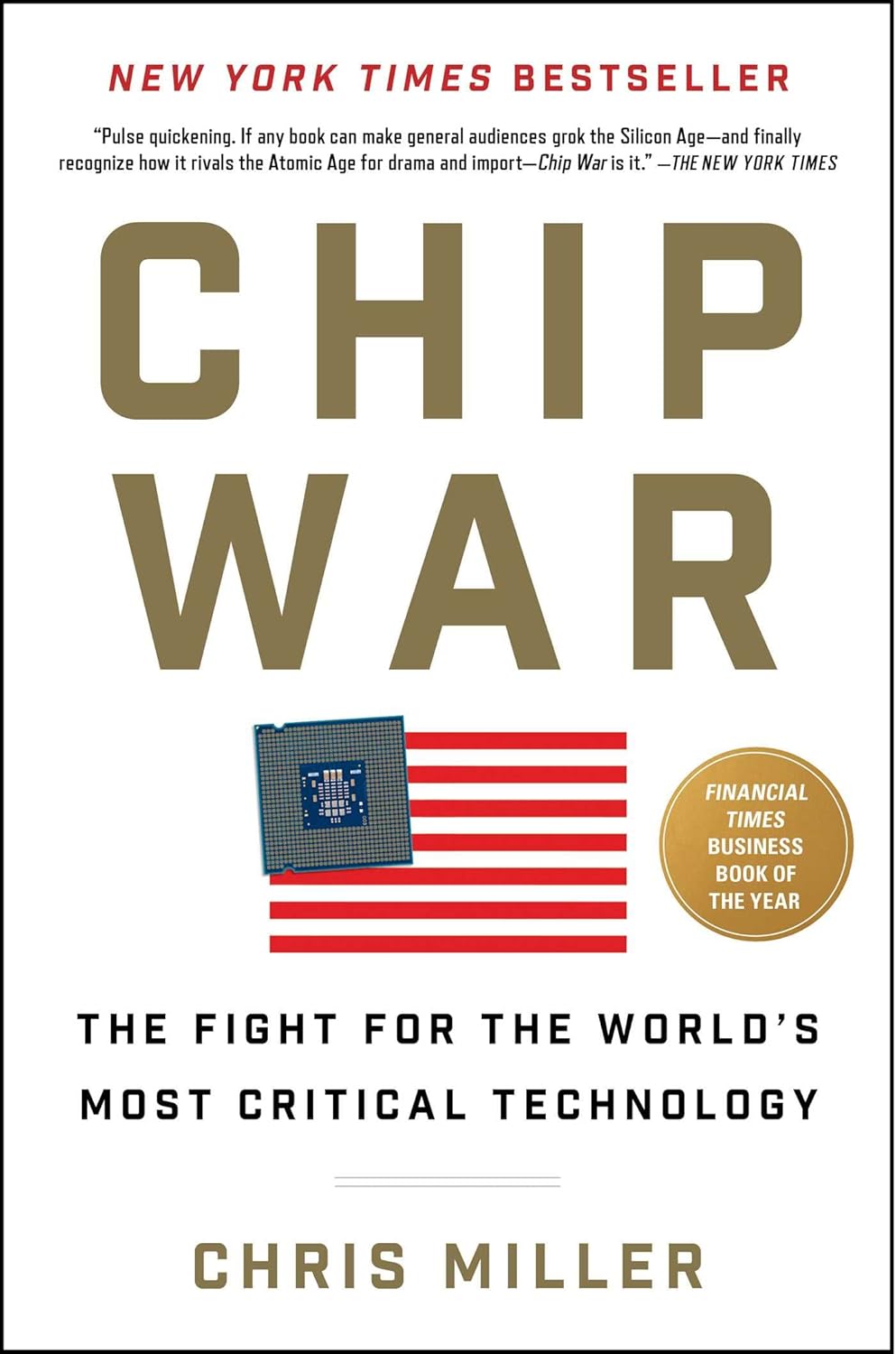
Semiconductors as the oil of the 21st century: history, espionage, and why an island of 23 million people underpins the entire AI economy.
As an Amazon Associate, Zendoric earns from qualifying purchases; the price does not change for you. · all our recommended books →
🔗 Related on Zendoric