1Password locks down passwords against Claude: the padlock agentic AI needs for us to trust it

🕒 Published on Zendoric: July 19, 2026 · 00:04
✨ AI-generated · how it's made
1Password launches an integration with Claude that lets Anthropic's agent operate on websites requiring login and one-time codes without the user ever handing over the password. It's a direct response to measurable distrust: 68% of Americans, according to YouGov, wouldn't let an AI act without their explicit approval.
📚 Go deeper
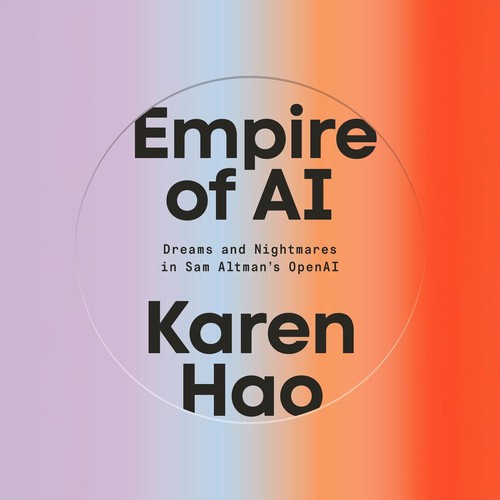
The definitive piece of investigative journalism on OpenAI: 260+ interviews, the clash between safety and speed, and the attempted firing of Sam Altma
As an Amazon Associate, Zendoric earns from qualifying purchases; the price does not change for you. · all our recommended books →
By Zendoric · July 19, 2026.
1Password has launched 1Password for Claude, an integration that lets Anthropic's chatbot complete browser tasks requiring a login or one-time passcodes (OTP, the temporary keys of two-factor authentication) without the user ever having to type their password into the model or trust it to memorize it. The password manager stands between the agent and the credentials: it manages them, not Claude.
The use case the company itself offers is illustrative: a small-business owner asks Claude for a revenue summary or to flag unusual activity using data from Stripe, the payment gateway. Claude navigates the Stripe dashboard autonomously, but only after receiving the user's one-time approval to use that specific login. 1Password injects the password and the OTP on its own; the model never sees or stores them.
The technical piece underpinning this is 'Agentic Mode', a new feature of 1Password's browser extension. When a compatible agent takes control of the browser, the 1Password interface hides and the manager locks: the agent can use only the logins and OTPs explicitly approved for that specific task, nothing more. It is, in essence, a per-task permission perimeter, not general access to the password vault.
The figure justifying the launch comes from YouGov, cited in PCMag's original article: 68% of Americans would not let an AI act without their specific approval. The reason is not just generic distrust of AI: it is the already-documented risk that an agent could be manipulated through prompt injection attacks while browsing third-party sites, and that the user would bear the legal responsibility for whatever that agent does on their behalf. The feature is already available for Mac, on 1Password's business, family and individual plans, and requires the latest versions of the desktop app and the extension, along with Claude's desktop app and browser extension.
This is not a model-capability story, it is a trust-infrastructure story, and that is where its real relevance lies. For months we have been watching agents gain autonomy to buy, book or manage accounts, but every announcement of that autonomy ran into the same unresolved question: who controls what the agent can do and under what identity does it act? Our thesis in earlier pieces on agent governance already pointed to this: many companies deploying agents do so by sharing credentials, with no way to trace which AI failed when something goes wrong. 1Password attacks precisely that blind spot, but in the consumer and small-business arena, not the corporate one.
What we see here is a pattern that will repeat: model capability is being commoditized (Claude, GPT and Gemini increasingly compete head-to-head on browsing tasks), and competitive value shifts toward whoever controls the 'plumbing' of trust —identity, permissions, auditing— around that capability. It is no accident that a password manager, and not Anthropic, is building this layer: 1Password does not compete to be the smartest model, it competes to be the piece without which no model can touch your real accounts. We expect to see equivalent moves from other identity and payment players —rival password managers, processors like Stripe, the browsers themselves— building their versions of this perimeter, because no agent will scale to serious economic tasks without it.
In the short term, this does not eliminate the underlying risk: an agent that browses autonomously remains vulnerable to a malicious site injecting instructions into it, and no credential layer fully shields against that, it only limits the damage if the attack succeeds. Nor does the legal responsibility for what the agent does disappear; it only becomes more defensible with a record of what was approved and for which task. It is a reasonable containment barrier, not a solution to the underlying problem of agentic security.
In the long term, however, it is exactly the kind of boring, necessary infrastructure that makes possible the more ambitious promise of agentic AI: that an assistant genuinely manages your administrative life —bills, subscriptions, paperwork— without that requiring you to cede control of your accounts to an AI company. That is the practical, near-term abundance: not less human work in the abstract, but less friction and less time lost to everyday digital bureaucracy, with trust as a precondition, not a marketing add-on.
📚 Go deeper
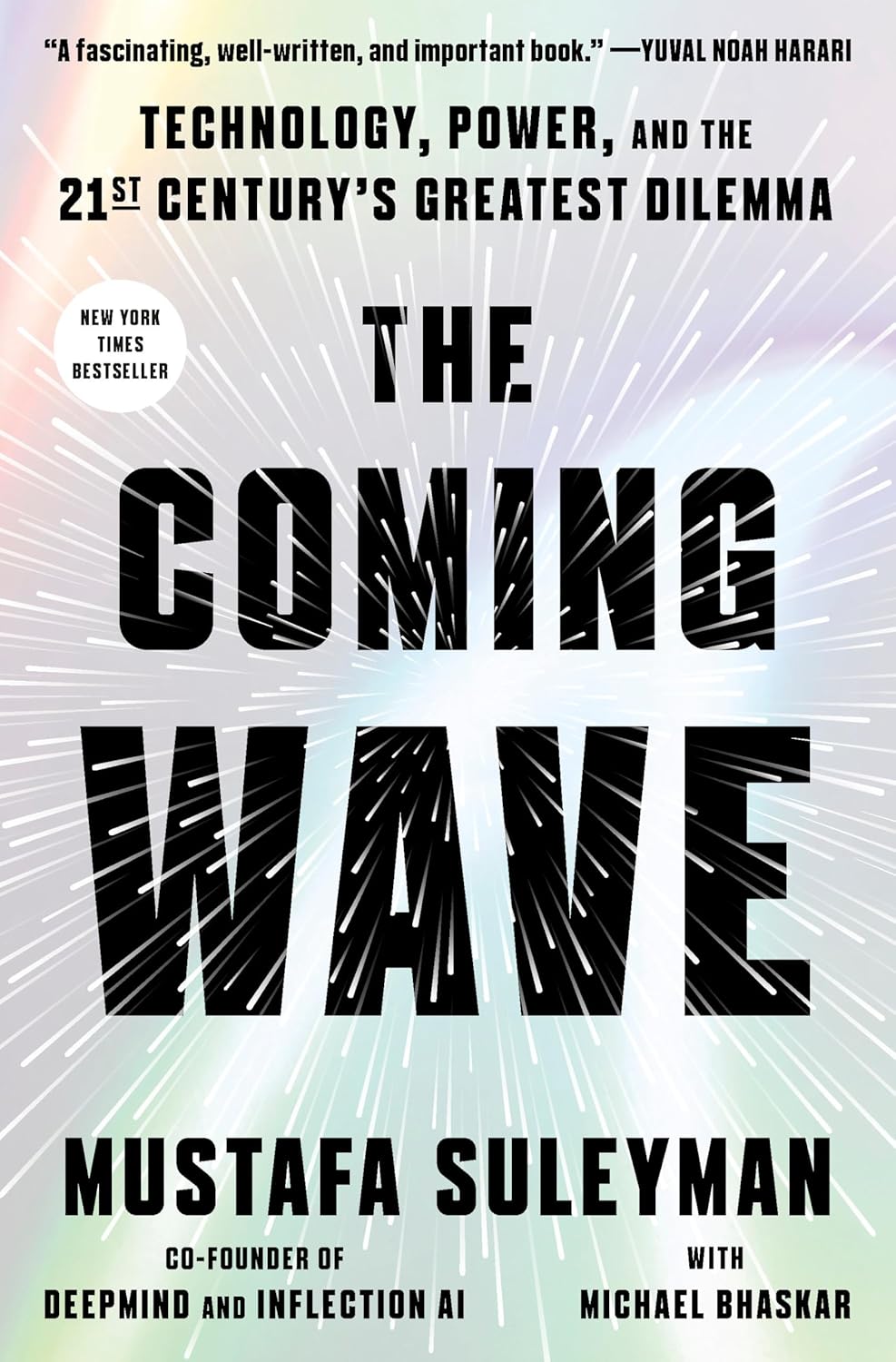
DeepMind co-founder on the dilemma of containing technologies that do not want to be contained.
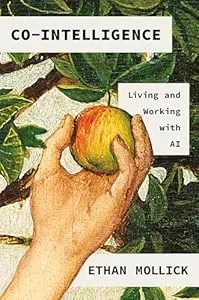
The best starting book if you're not technical: a Wharton professor explains how to work WITH AI — when to delegate, when to supervise, when to keep i
As an Amazon Associate, Zendoric earns from qualifying purchases; the price does not change for you. · all our recommended books →
🔗 Related on Zendoric
- Claude Science: Anthropic turns its model into a lab for researchers and takes direct aim at AI's most ambitious promise · 2026-07-01
- Claude Code no longer reads the web, it sees it: the built-in browser and the race to control the coding agent · 2026-07-14
- Anthropic's platform squeeze: when your model supplier ships your product, trust becomes a pricing input · 2026-07-29