Back-to-school 2026 reveals the true state of agentic AI: trusted assistant, not autonomous buyer

🕒 Published on Zendoric: July 18, 2026 · 01:58
✨ AI-generated · how it's made
73% of parents will use AI for this year's school shopping, but almost no one hands it the card: only 9% would let an agent buy on its own. This season's data, the first with real agentic AI on the market, shows where the line stands today between hype and effective consumer trust.
📚 Go deeper
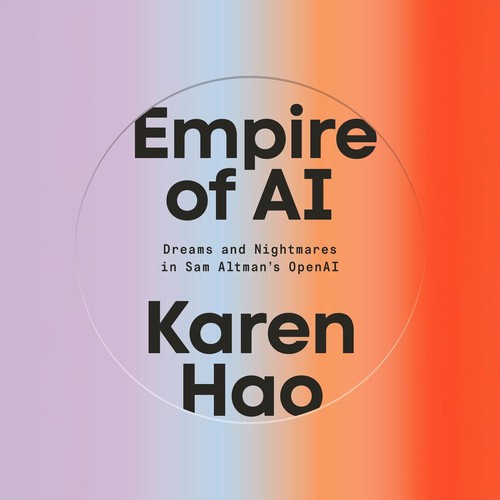
The definitive piece of investigative journalism on OpenAI: 260+ interviews, the clash between safety and speed, and the attempted firing of Sam Altma
As an Amazon Associate, Zendoric earns from qualifying purchases; the price does not change for you. · all our recommended books →
By MediaPost · July 17, 2026.
The 2026 back-to-school season has become, without anyone planning it that way, the first major market experiment in agentic AI in mass consumption. The National Retail Federation estimates record spending of $146.8 billion in the United States, and for the first time a significant part of that buying process runs through artificial intelligence assistants: according to PwC, 73% of parents will use AI at some point in their school shopping (to search, compare prices or track promotions); Tinuiti puts the figure at 68% for conversational agents like ChatGPT or Gemini, and details the actual use: 33% use them to find the best deal, 32% to compare products and 28% to summarize reviews. These are research tasks, not final decisions.
There lies the data point that really matters, and that is worth separating from the marketing noise about "agentic commerce": according to Accenture, 85% of consumers are open to collaborating with an AI agent, and nearly three out of four say they trust a personal agent more than their best friend to represent them in a purchase. But when the question shifts from "collaborate" to "delegate," the figure collapses: only 32% would let the agent decide what to buy (paying themselves), and barely 9% would accept a fully autonomous purchase, without human supervision. Accenture's own report sums it up precisely: brands have to earn relevance with the consumer and the agent's trust by delivering verifiable value, not merely promised value.
That gap between adoption and delegation is the real story of this season, more so than the headline of "AI already shops for you." The brakes the article documents —consumer distrust, lack of physical product verification and cybersecurity vulnerabilities— are no anecdote: they are the structural reason why the market has, for now, opted for a model of AI as a research copilot and not as a buyer with its own card. It's a distinction we have already seen repeated in other areas of applied AI: the technical capacity to act autonomously exists before the institutional or social trust to allow it, and that lag is, in itself, a more effective brake than any technical limitation.
The spending data by segment adds an additional layer, this one weighted more toward economics than technology: RetailMeNot records very steep increases in projected spending among families with children in elementary school ($324 per child, 83% more than in 2025) and in secondary school ($454, 114% more), while college spending falls 10%, to $541. At the same time, concern about finding deals drops (from 39% to 27%) but concern about staying within budget rises (from 29% to 37%), a pattern consistent with what Emarketer notes citing Jones Lang LaSalle: projected average spending of $489 per child, 11.7% more year over year, well above inflation of 3.5%, with 64% of parents acknowledging that inflation will shape how they shop. In other words: consumers trust there will be promotions, but they spend more because everything costs more, and there AI is used mainly as a tool to defend the family budget, not as a tech luxury.
Our reading is that this episode, seemingly minor within the U.S. commercial calendar, is a useful barometer of something broader: the race to control the "trusted agent" layer in everyday consumption. Just as, in the dispute among major platforms, the competitive edge is shifting toward whoever controls the distribution and standards of agents —more than toward whoever has the most powerful model— in retail the question at stake this season is who becomes families' default assistant for making purchasing decisions. Winning that position depends not only on the quality of the language model, but on solving before anyone else the three problems the article itself cites: verification, cybersecurity and financial trust. Whoever achieves it first will not be selling artificial intelligence: they will be selling peace of mind, and that is a far harder advantage to replicate.
In the medium term, this consumer caution is healthy and, for our underlying thesis, consistent with the transition we advocate: the abundance and convenience AI can bring to consumption —comparing better, spending more wisely, wasting less time on repetitive search tasks— only take hold if the right safeguards are built first. That only 9% of parents today accept a fully autonomous purchase is not a limitation of the agentic AI business model, it is a healthy condition so that, a few seasons from now, that figure can grow on a foundation of real trust, and not out of resignation to fine print or undetected fraud.
📚 Go deeper

The reference manual for building products on top of AI models: prompts, RAG, fine-tuning, agents, evaluation and deployment.
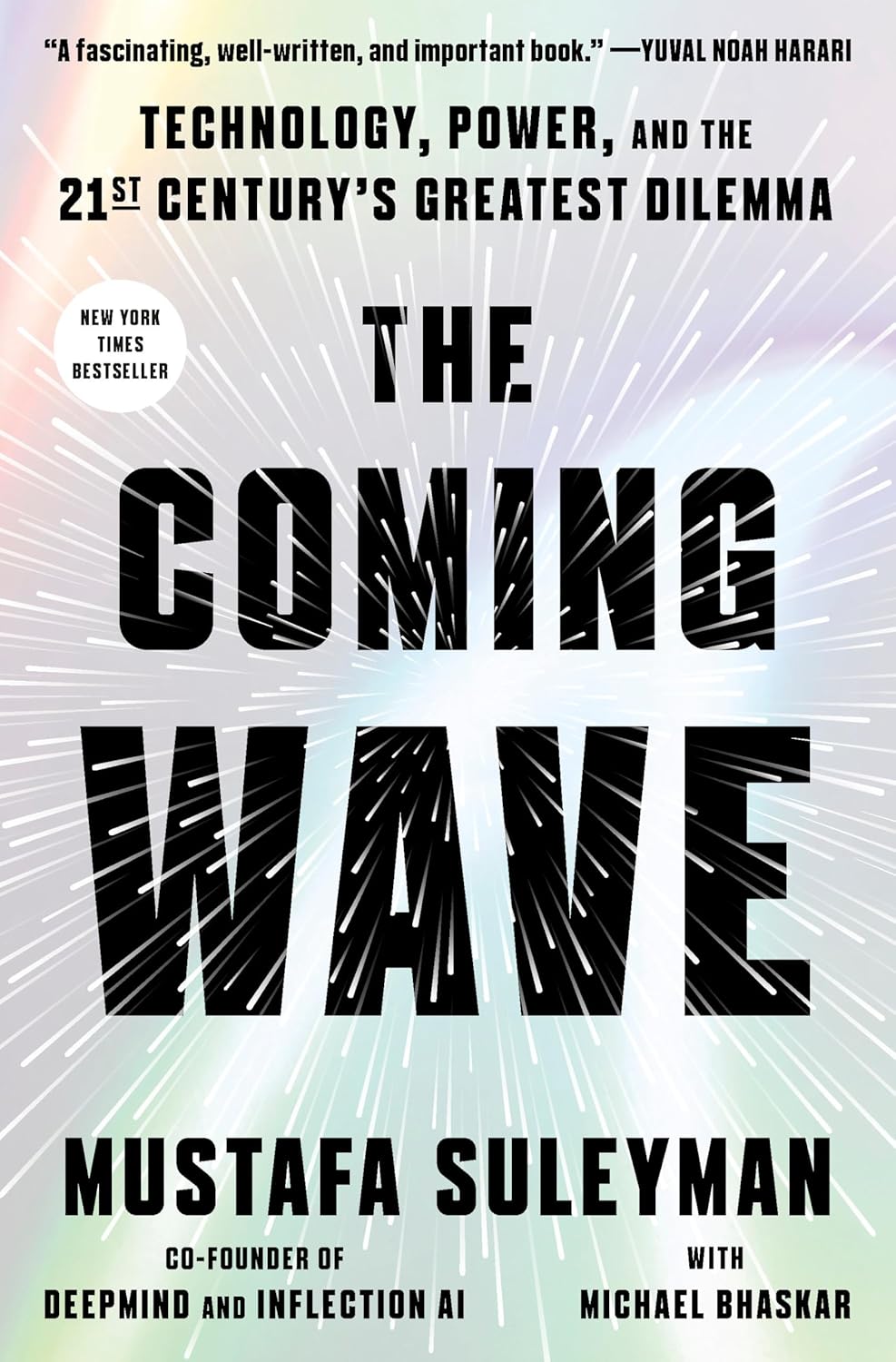
DeepMind co-founder on the dilemma of containing technologies that do not want to be contained.
As an Amazon Associate, Zendoric earns from qualifying purchases; the price does not change for you. · all our recommended books →
🔗 Related on Zendoric
- GPT 5.6 rolls out in a trickle: when the State stands, de facto, between the model and the market · 2026-06-27
- When the 'Prince' on Video Call Is a Deepfake: AI Just Broke Our Last Trust Test · 2026-07-03
- Very Group hands pricing of 200,000 products to agentic AI: when the algorithm sets what you pay · 2026-07-15