Microsoft Turns on Its AI Suppliers: When the Distributor Becomes the Rival

🕒 Published on Zendoric: July 18, 2026 · 01:58
✨ AI-generated · how it's made
Microsoft is reportedly coaching its salesforce to talk down OpenAI, Google and Anthropic while pushing its own MAI models inside Excel and Outlook. This isn't just competitive theater — it's the moment the industry's biggest distributor decides it would rather own the model than rent it.
📚 Go deeper
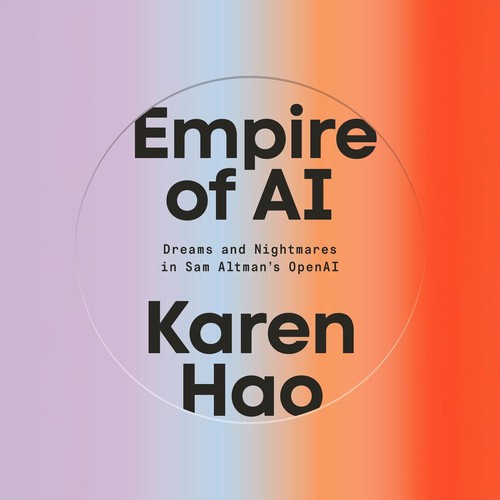
The definitive piece of investigative journalism on OpenAI: 260+ interviews, the clash between safety and speed, and the attempted firing of Sam Altma
As an Amazon Associate, Zendoric earns from qualifying purchases; the price does not change for you. · all our recommended books →
According to Bloomberg (as relayed here), Microsoft executives used an internal meeting to instruct salespeople to compare AI products from OpenAI, Google and Anthropic unfavorably against its own. Copilot EVP Jacob Andreou reportedly presented Claude as "slower and less accurate" inside Microsoft's office apps and lacking "proper security integrations," while EVP Jay Parikh framed the pitch as "everyone else is selling parts — we're selling the full end-to-end system." Behind the rhetoric sits a concrete shift: the company says tens of thousands of AI prompts in Excel and Outlook are now completed each week by its in-house MAI model, and AI chief Mustafa Suleyman said in June that Microsoft is trying to cut spending on Anthropic by leaning on MAI.
The context is what makes this notable. Microsoft did not build its AI franchise alone — it built it on OpenAI, whose models it funded, hosted and, for years, distributed under an exclusivity arrangement. That deal was amended in April, dropping exclusivity and freeing OpenAI to sell to Microsoft's rivals. What we're watching now is the predictable second act: once the partner is also a competitor, the distributor has every incentive to substitute its own product and reframe the relationship as a rivalry. TechCrunch notes, fairly, that talking down competitors is routine sales practice; the twist is that Microsoft is doing it to the very firms whose technology still powers much of its stack.
There's also a financial subtext worth naming. The report links this messaging to a soft stock outlook and investor unease over the scale of Microsoft's AI capital spending. Reassuring the market that all that compute buildout yields a proprietary, margin-friendly "end-to-end system" — rather than a costly dependency on someone else's models — is as much an investor-relations exercise as a sales strategy. When a company insists loudly that it owns the full stack, it's often answering a question about its own cost structure, not just its customers' needs.
Our reading: this is the maturation of a thesis we've tracked for a while — the AI war is migrating from "who has the smartest model" to "who controls distribution, integration and the plumbing." Microsoft's edge was never a single benchmark; it's Office, Windows and Azure sitting on hundreds of millions of desks. If a good-enough in-house model captures most of the value inside those surfaces at a lower cost, Microsoft doesn't need to win the frontier — it needs to win the last mile. That's a rational move, and vertical integration can genuinely lower prices for users over time.
But treat the sales talking points as marketing, not measurement. "Slower and less accurate" is a claim made by the party selling the alternative; on our own quality indices Anthropic and OpenAI still lead the frontier, with the real contest playing out in independent benchmarks, not in an internal deck. The healthier long-run outcome is precisely what this friction signals: a market where no single lab is a chokepoint, where buyers can mix providers, and where competition on cost and integration pushes capable AI toward ubiquity and affordability. The near-term cost is messier — more lock-in pressure, more self-preferencing, more "our system is the only complete one" storytelling. The job for customers, and for us, is to keep separating the demonstrated capability from the pitch.
📚 Go deeper
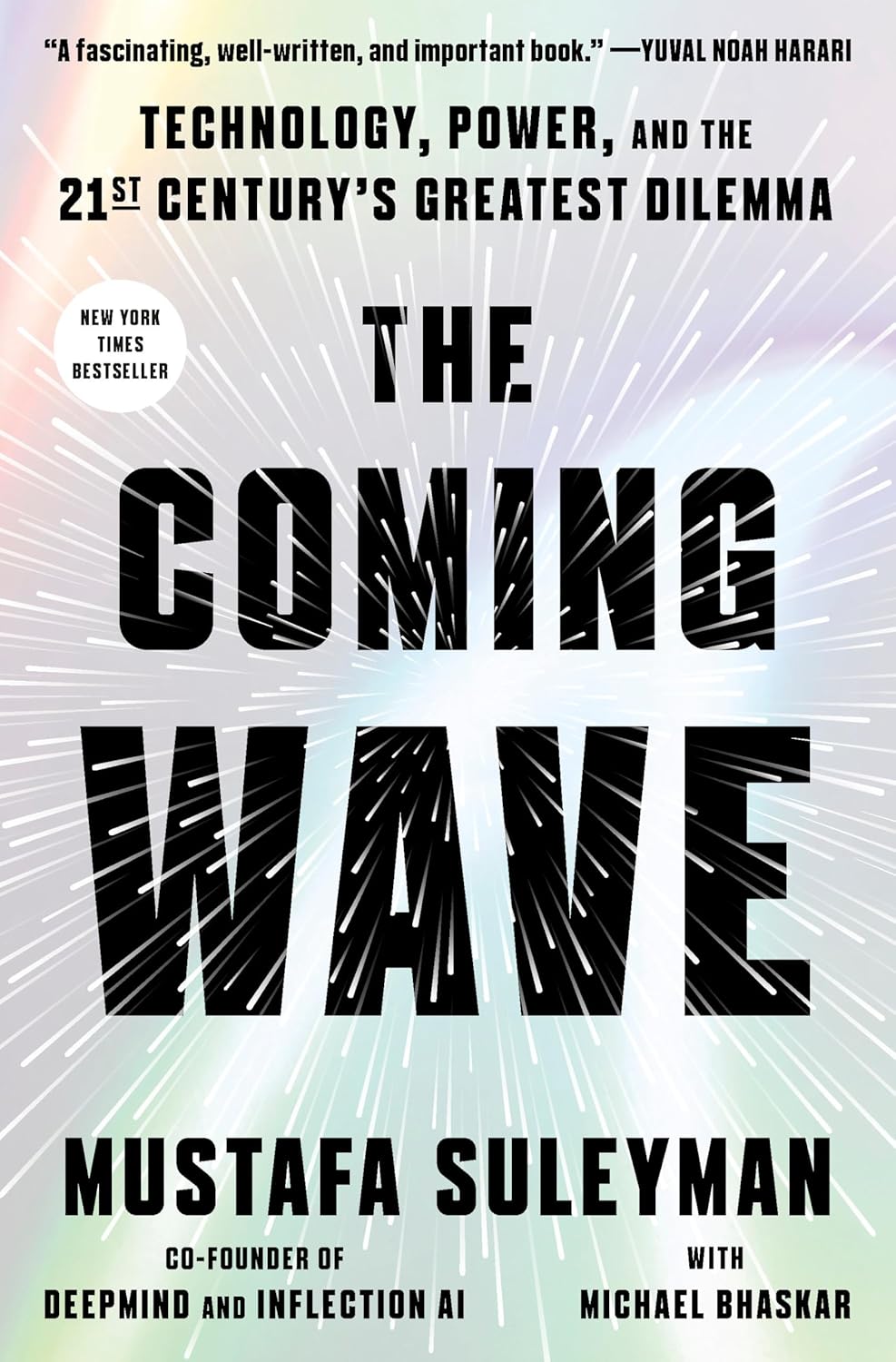
DeepMind co-founder on the dilemma of containing technologies that do not want to be contained.

The best starting book if you're not technical: a Wharton professor explains how to work WITH AI — when to delegate, when to supervise, when to keep i
As an Amazon Associate, Zendoric earns from qualifying purchases; the price does not change for you. · all our recommended books →
🔗 Related on Zendoric
- Microsoft Turns on Its Own Suppliers: When the Platform Becomes the Rival · 2026-07-17
- Microsoft Swaps In Its Own AI, a Quiet Signal That Distribution Beats the Best Model · 2026-07-07
- Microsoft trains its salespeople to unseat Claude and ChatGPT: the integrated vertical declares war on its own partners · 2026-07-17