Microsoft Swaps In Its Own AI, a Quiet Signal That Distribution Beats the Best Model
🕒 Published on Zendoric: July 7, 2026 · 03:25
✨ AI-generated · how it's made
Microsoft is reportedly replacing OpenAI and Anthropic models with its own AI in some of its applications. It is a small move, but it points at the real battlefield in this industry: who controls the product surface, not just who has the smartest model.
📚 Go deeper
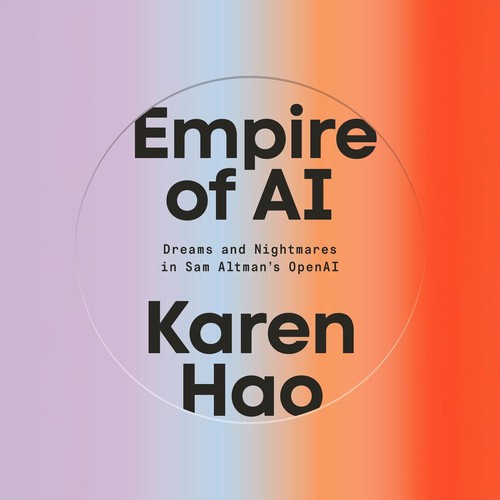
The definitive piece of investigative journalism on OpenAI: 260+ interviews, the clash between safety and speed, and the attempted firing of Sam Altma
As an Amazon Associate, Zendoric earns from qualifying purchases; the price does not change for you. · all our recommended books →
The headline is simple: Microsoft is swapping third-party models — OpenAI's and Anthropic's — for its own AI inside some of its apps. The source material here is thin (a short note pointing to a Bloomberg report, with no article text available to us), so we won't pretend to know which apps, which model, or what share of traffic is involved. What we can comment on is the direction this points to, because it fits a pattern we've been tracking.
For years the assumption was that the AI race was primarily about model quality: whoever built the smartest system would win the customers. But increasingly the leverage sits somewhere else — in who owns the app, the enterprise contract, the operating system, the distribution channel. A company like Microsoft doesn't need to have the best model on every benchmark; it needs a model that is good enough, cheap enough, and fully under its own control, so it isn't paying rent to (or depending on the roadmap of) an external partner for a capability embedded in its own products. That's a rational move for any platform owner, independent of who's technically ahead on any given day.
Our reading: this is another data point in a broader shift we've flagged before — the AI wars are moving from 'who has the best model' to 'who controls the plumbing.' Partnerships between hyperscalers and frontier labs (Microsoft–OpenAI being the most visible one) were never purely altruistic; they were bridges until the platform owner could build enough in-house capability to reduce dependency. Substituting in-house AI for a subset of apps doesn't necessarily mean the underlying partnership is broken, but it does mean the balance of leverage is shifting, deal by deal, product by product.
For the long-term optimism we hold at Zendoric, this kind of internal competition among giants is actually healthy: more players building capable models, more redundancy, less single-point dependency on any one lab. Short term, it's a reminder that even the biggest partnerships in AI are conditional, and that the labs supplying models to platform owners are, quite literally, competing with their own customers' in-house teams. We'll be watching for the fuller picture — which products, why now, and whether this scales beyond 'some apps' — before drawing firmer conclusions.
📚 Go deeper
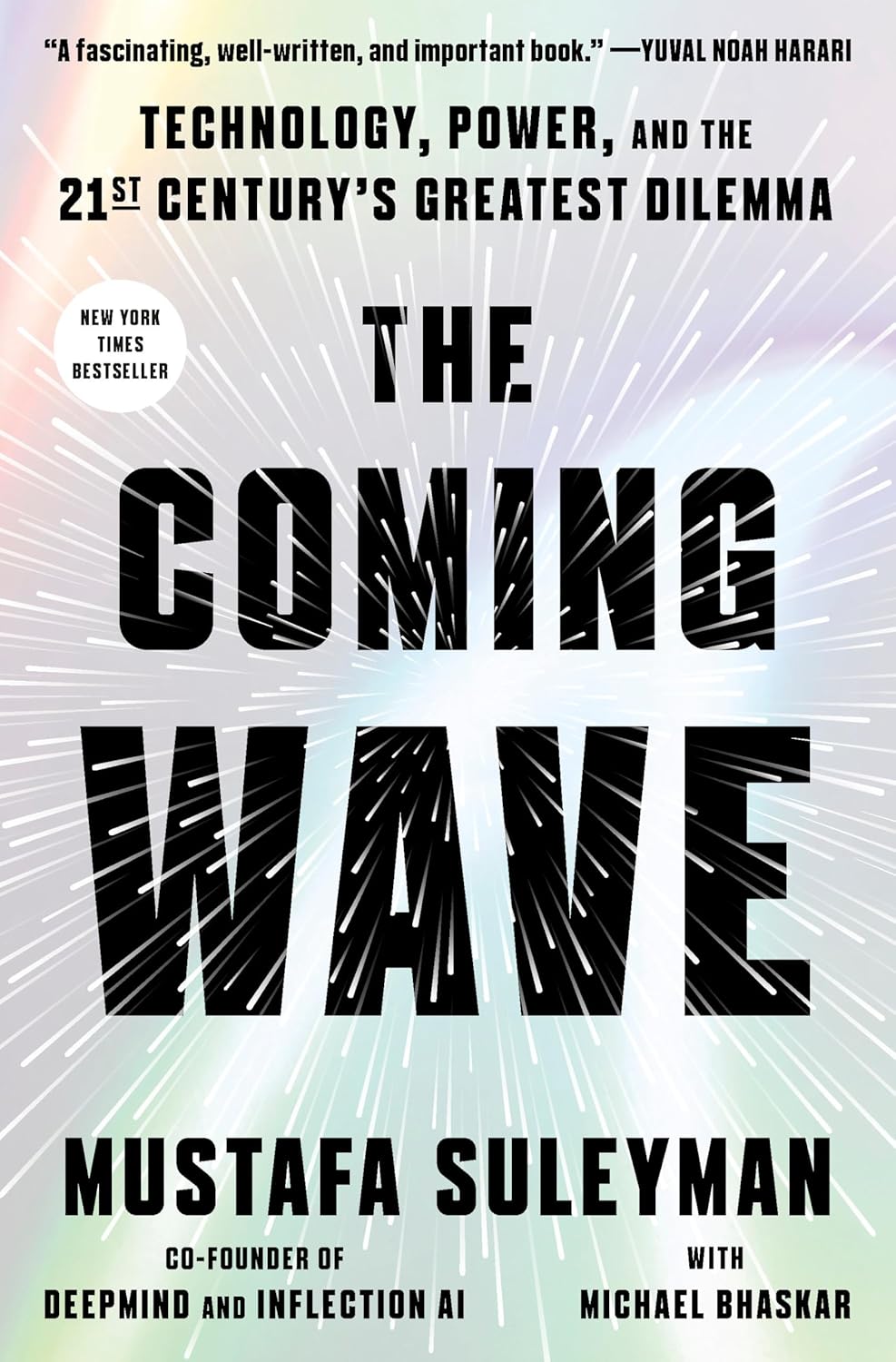
DeepMind co-founder on the dilemma of containing technologies that do not want to be contained.

The best starting book if you're not technical: a Wharton professor explains how to work WITH AI — when to delegate, when to supervise, when to keep i
As an Amazon Associate, Zendoric earns from qualifying purchases; the price does not change for you. · all our recommended books →
🔗 Related on Zendoric
- Microsoft Turns on Its AI Suppliers: When the Distributor Becomes the Rival · 2026-07-18
- Microsoft Swapping OpenAI and Anthropic for In-House Models Is the Real Story Behind the 'Partnership' · 2026-07-08
- Microsoft isn't selling a better model: it's selling anxiety over its customers' AI spending · 2026-07-16