In Ecuador, AI is not destroying jobs but redefining the profile: those who know how to direct it win, not just use it

🕒 Published on Zendoric: July 18, 2026 · 01:58
✨ AI-generated · how it's made
Recruiters and an Ecuadorian university describe how AI is changing what companies look for: less 'knows how to use a CV with AI' and more judgment in applying it to real problems. Behind the upbeat narrative lies a specialized talent gap that is already a concern in Ecuador.
📚 Go deeper
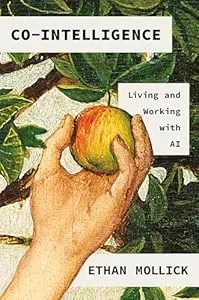
The best starting book if you're not technical: a Wharton professor explains how to work WITH AI — when to delegate, when to supervise, when to keep i
As an Amazon Associate, Zendoric earns from qualifying purchases; the price does not change for you. · all our recommended books →
By El Comercio · July 17, 2026.
A report by El Comercio gathers the testimony of two talent-management specialists in Ecuador —Michelle Trujillo, a recruiter, and Gustavo Soria, a professor at UIDE's Business School— on how artificial intelligence is redefining what Ecuadorian companies look for in a candidate. The thesis they both share is simple and consistent with what is observed in other markets: AI is no longer an extra to be mentioned on a résumé, but a tool that is taken for granted, and the real differentiator shifts toward the ability to apply it to solve concrete problems, not just to operate it. Companies value analytical thinking, data management, sound decision-making judgment, adaptability and continuous learning —a list that, according to the article itself, matches the fastest-growing skills identified by the World Economic Forum.
There is a telling detail that the article slips in almost in passing: Ecuador faces a growing gap in specialized AI talent, something the outlet itself had already documented in May 2026. That mention matters more than the quotes about 'adaptability' and 'resilience,' because it points to the real structural problem behind the optimistic human-resources narrative: it is not that AI is replacing workers in Ecuador on a massive scale, it is that demand for profiles capable of implementing it is growing faster than the local education system and labor market can train them. That asymmetry —high demand, scarce specialized supply— is exactly the kind of short-term friction that should not be downplayed: in emerging markets, the window to capture value from AI opens for those with access to advanced technical training, and closes for those without. The rhetoric of 'hybrid profiles' is real, but it is also easier to fulfill for those who already had access to quality education.
It is also worth reading these statements with the usual distance toward human-resources sources: recruiters and consultancies have a professional incentive to describe a dynamic, meritocratic labor market where 'continuous learning' resolves disruption. It is a corporately comfortable narrative because it shifts the responsibility for adaptation onto the individual (who must reskill) and dilutes the more uncomfortable question: how many administrative and back-office positions —the most exposed to automation, as we have documented in banking, insurance and business administration in other markets— actually disappear or shrink in Ecuador while openings emerge for data analysts or AI specialists. The article does not provide that figure, and it is honest to acknowledge that without it the portrait is qualitative, not a measurement of the net impact on employment.
That said, the pattern Trujillo and Soria describe fits the underlying thesis we have been maintaining: AI does not eliminate work, it changes which work matters. Value concentrates in judgment —knowing when and how to apply the tool, not just how to handle it— and in the skills the machine still does not replicate well: communication, negotiation, judgment in the face of ambiguity. This is encouraging in the long term, because it is consistent with a world where the abundance generated by AI frees up human capacity for tasks of greater value and meaning; but in the short term it demands real investment in technical training in economies like Ecuador's, not just talk of 'resilience.' If the specialized-talent gap the outlet itself documented in May is closed through public policy and education, Ecuador can capture part of that abundance; if not, it risks being left with only the hard part of the transition —the loss of routine jobs— without yet accessing the generous part of the change.
📚 Go deeper
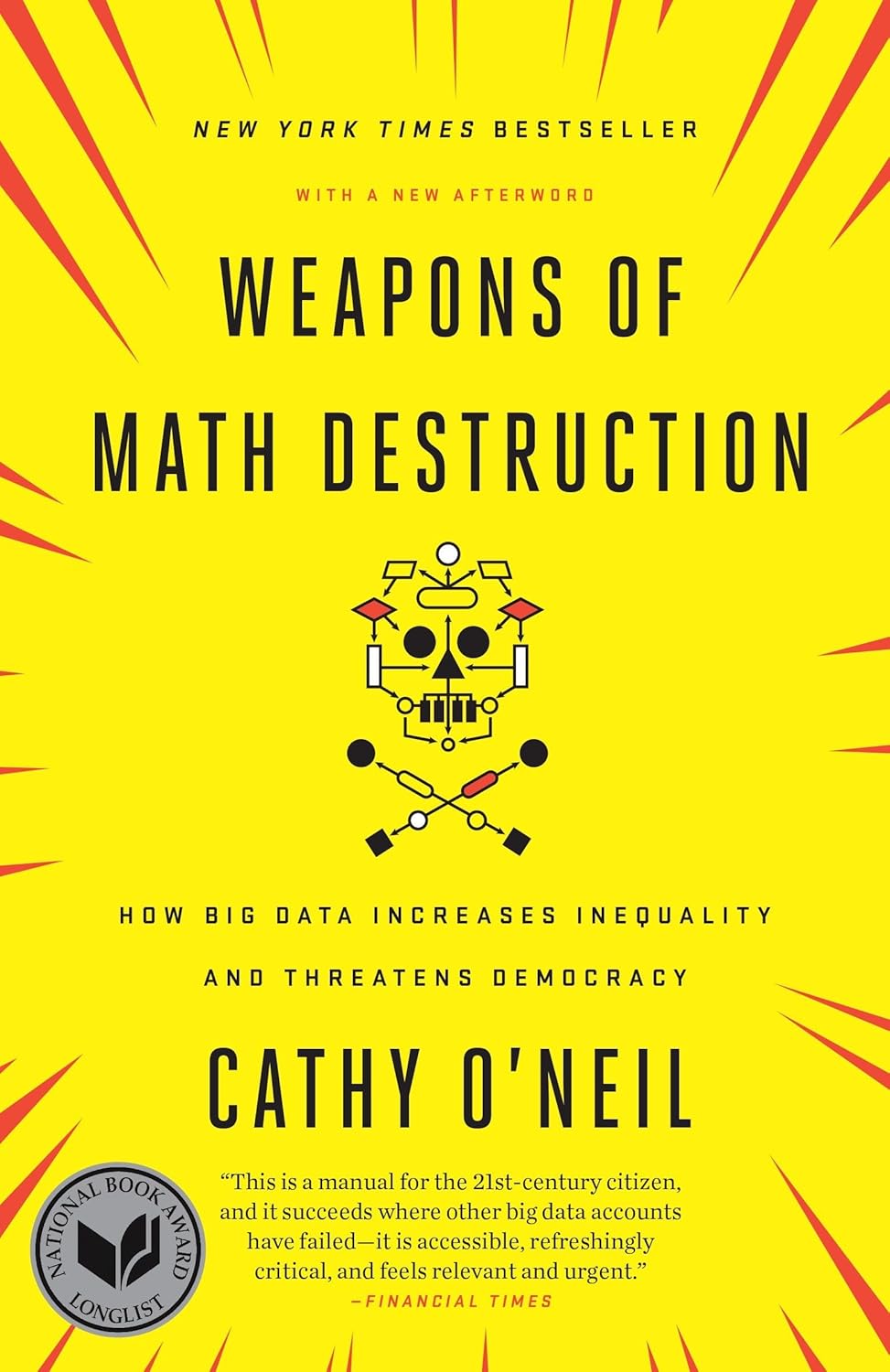
How opaque algorithms decide who gets credit, a job or parole — and why they tend to punish the same people.
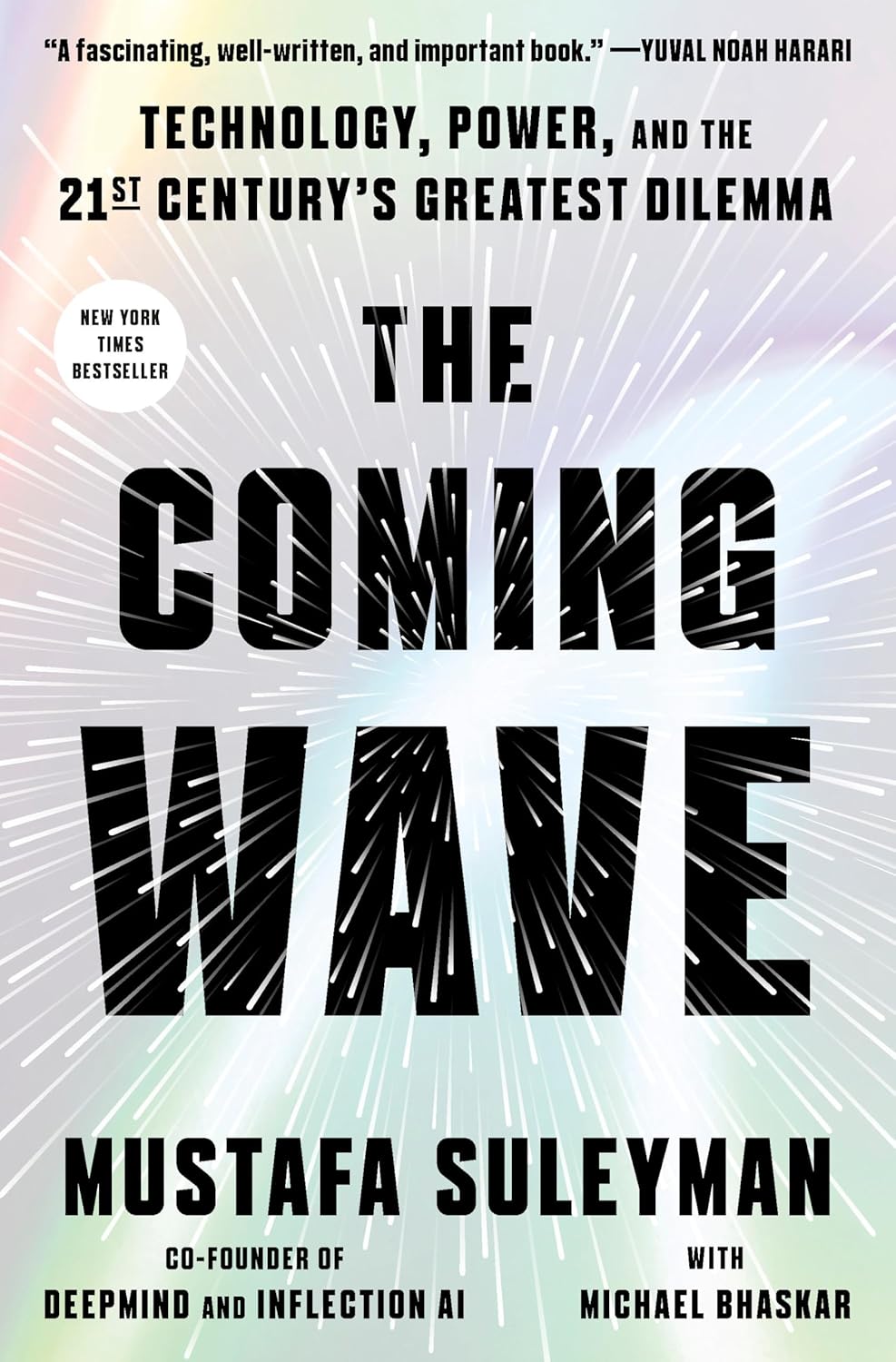
DeepMind co-founder on the dilemma of containing technologies that do not want to be contained.
As an Amazon Associate, Zendoric earns from qualifying purchases; the price does not change for you. · all our recommended books →
🔗 Related on Zendoric