Anthropic bets 1,700 jobs on Manhattan: AI chooses talent clusters, not tax havens

🕒 Published on Zendoric: July 11, 2026 · 00:27
✨ AI-generated · how it's made
While billionaires forecast an exodus of companies from New York over the city's progressive turn, Anthropic is renting an entire 16-story building and Airbnb is buying its first owned headquarters in Manhattan. The move belies the exodus narrative and confirms where the applied-AI race is really being fought.
📚 Go deeper

The best starting book if you're not technical: a Wharton professor explains how to work WITH AI — when to delegate, when to supervise, when to keep i
As an Amazon Associate, Zendoric earns from qualifying purchases; the price does not change for you. · all our recommended books →
By Fortune · July 10, 2026.
Anthropic will occupy all 16 floors of a building at 330 Hudson Street, in Manhattan —with capacity for 1,700 workstations—, and plans to double its New York headcount to more than 1,000 employees by the end of the year, up from fewer than 500 at the start of 2026. The hiring spans research, engineering, public policy, sales and operations. Almost in parallel, Airbnb has bought a six-story building in Gramercy Park for $81.5 million, its first owned headquarters in the city, for a local workforce that already exceeds 600 employees.
The context that gives the news its meaning is political. Investors such as Bill Ackman warned of a 'company exodus' if Zohran Mamdani became mayor, and Ken Griffin (Citadel) has publicly pushed in the same direction, including a threat —never carried out— to halt a $6 billion tower in Manhattan. Mamdani and Governor Kathy Hochul, by contrast, backed Anthropic's announcement; the city's comptroller, Mark Levine, summed it up with a phrase that serves as a thesis: he would rather these tools be built where the people who will use them live, not in a tax haven.
Our take is that this decision is neither a symbolic gesture nor an ideological bet: it is talent logistics. Anthropic does not need low tax, it needs to be physically close to the sectors adopting generative AI at the greatest speed and with the biggest budgets —banking, media, insurance, legal services, healthcare—, and New York concentrates that demand like nowhere else except San Francisco. The 'tax exodus' narrative works well in opinion columns, but it collides with a simpler fact: when the product you sell depends on sophisticated corporate clients, proximity matters more than the top marginal state income tax rate. It is the same pattern we already see in the race for compute and chips: competitive advantage is built where the infrastructure is —human or silicon—, not where the tax cost is lowest.
This does not invalidate the real tensions that Ackman or Griffin point to. Housing affordability, taxation of high incomes and public safety are legitimate short-term frictions, and some companies and fortunes have indeed left for Florida, as Bezos or Schultz did. But those are decisions by individuals with liquid assets, not necessarily the pattern followed by companies whose business depends on dense ecosystems of clients and specialized talent. The Airbnb case is even more revealing: it is investing again in the city that imposed on it, through Local Law 18, one of the toughest restrictions on its business in any market in the world. If not even a declared regulatory adversary abandons the market, the argument of a generalized exodus holds up worse than the headlines suggest.
There is an underlying reading that connects with this industry's long-term thesis: AI is not being built in a vacuum, but inserting itself into the centers where capital, regulatory talent and the industries that need to reinvent their processes —banking, health, media— are already concentrated. The more AI infrastructure anchors itself in those dense urban nodes, the faster its benefits spread to entire sectors, and not only to Silicon Valley. The cost, as in any transition, will be paid first by the administrative and routine jobs we already identified as the most exposed in banking, insurance and legal services; the benefit, in the medium term, is a city —and a sector— where the abundance generated by AI is shared among more players, not just among those who already had the capital to move to Miami.
📚 Go deeper
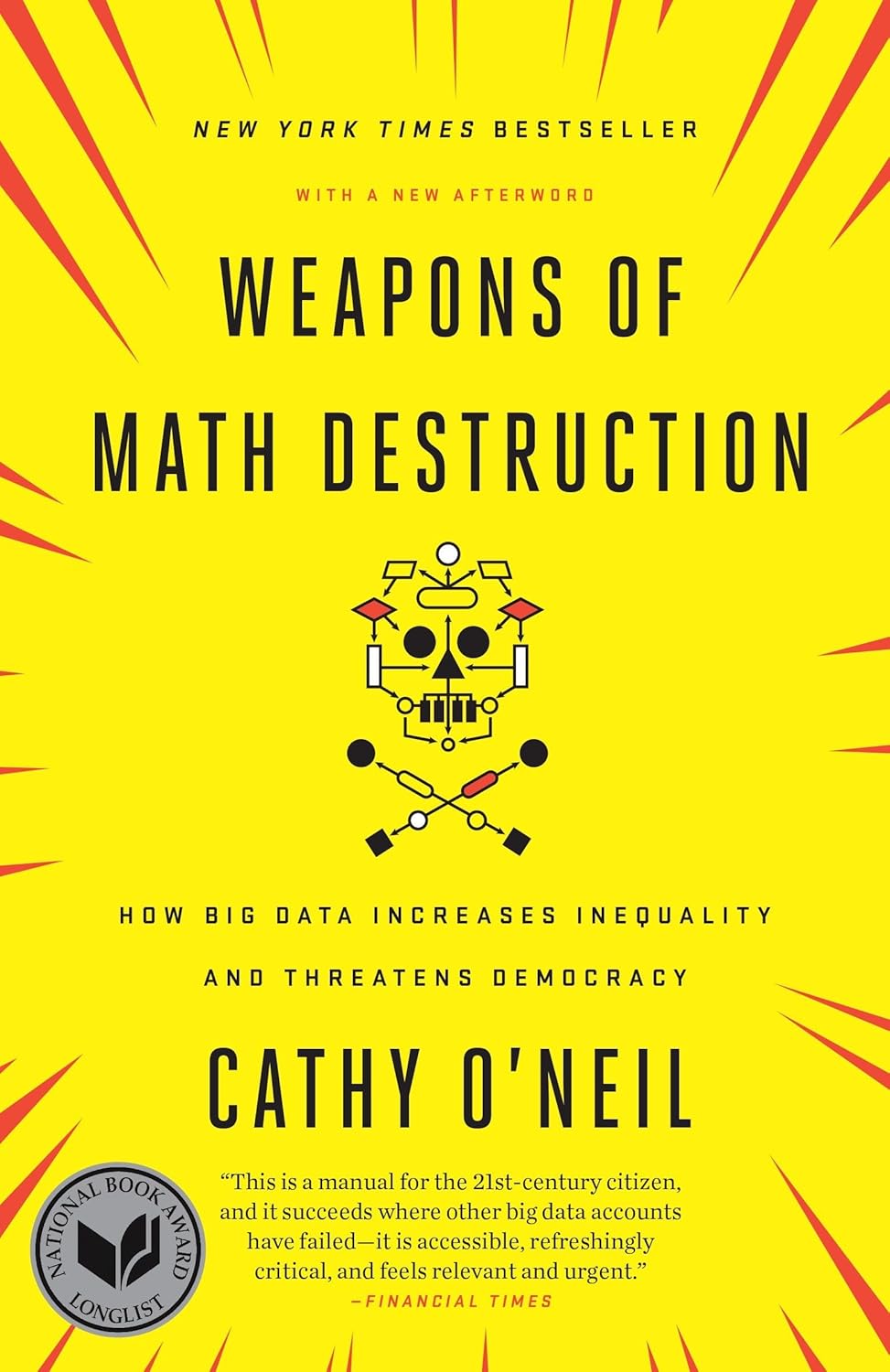
How opaque algorithms decide who gets credit, a job or parole — and why they tend to punish the same people.
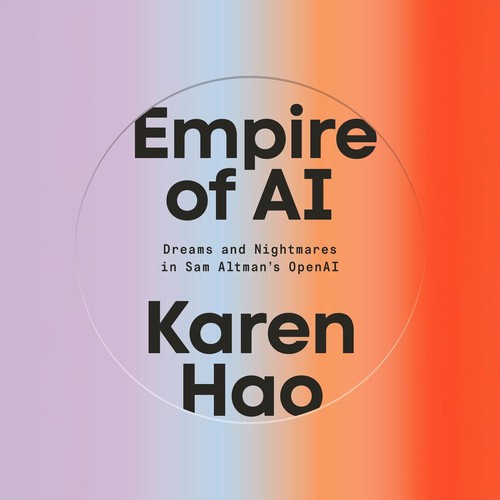
The definitive piece of investigative journalism on OpenAI: 260+ interviews, the clash between safety and speed, and the attempted firing of Sam Altma
As an Amazon Associate, Zendoric earns from qualifying purchases; the price does not change for you. · all our recommended books →
🔗 Related on Zendoric
- With 'Jalapeño,' OpenAI stops being just a silicon customer and becomes the architect of its own infrastructure · 2026-06-26
- The US$1.8B contract between Anthropic and Akamai reveals where AI's next battle is being fought: infrastructure · 2026-07-04
- Amazon Shuts Its AGI Lab After 18 Months: It Decided Renting the Frontier Beats Building It · 2026-07-28