The EU forces Google to share search data and open up AI on Android under the Digital Markets Act

🕒 Published on Zendoric: July 18, 2026 · 01:58
✨ AI-generated · how it's made
The European Commission has adopted binding measures against Google under the Digital Markets Act (DMA), the regulation in force since 2024 that has already led to fines and forced changes in the practices of Apple, Meta and Google itself.
📚 Go deeper
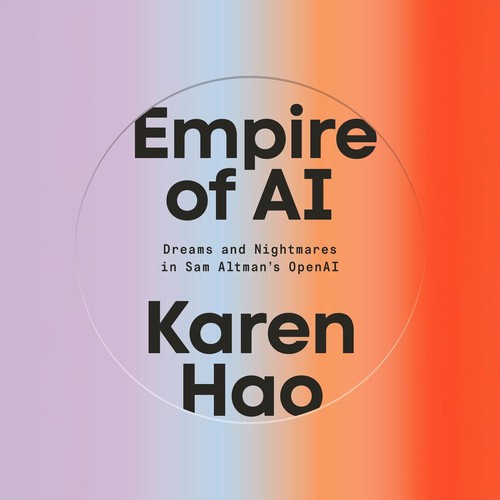
The definitive piece of investigative journalism on OpenAI: 260+ interviews, the clash between safety and speed, and the attempted firing of Sam Altma
As an Amazon Associate, Zendoric earns from qualifying purchases; the price does not change for you. · all our recommended books →
The European Commission has adopted binding measures against Google under the Digital Markets Act (DMA), the regulation in force since 2024 that has already led to fines and forced changes in the practices of Apple, Meta and Google itself. After several months of study, Brussels has issued what it calls 'specification measures' affecting two central areas of Google's business: Android and its search engine. As a 'gatekeeper' under the DMA, Google has no legal room to refuse to comply.
The first measure requires Google to open Android to third-party artificial intelligence assistants. Currently Gemini enjoys preferential access: it comes preinstalled on all certified Android phones, can be activated with the keyword 'Hey Google' and has system- and app-automation features, as well as access to on-screen content. According to the Commission, this privileged position limits the options for rival AI assistants and makes them less attractive to the 60% of EU users who own an Android device. The stated aim is for users to be able to install the AI system they prefer without losing functionality, something Brussels says it has designed to preserve the device's privacy and integrity.
The second measure, with potentially broader implications, requires Google to share search data with competing providers, transparently and at a reasonable price. The Commission argues that Google's previous offers to share this information were not sufficient. In addition, under the new rules, Google will have to treat AI chatbots as search services for the purposes of this data sharing. The intent is for other companies to access search metrics similar to those Google handles internally, something regulators consider essential for a smaller competitor to be able to challenge its market dominance.
Google has come out openly against the decision. Kent Walker, the company's president of global affairs, argues that Google had proposed more moderate solutions that, in his view, satisfied the DMA's objectives, and that the path chosen by the European Commission 'goes too far' and will harm users. Walker says today's decisions 'put at risk vital privacy and security safeguards for millions of Europeans.' The company argues that granting AI platforms other than Gemini deeper integration with Android could bypass the security checks that phone makers themselves currently carry out. Regarding the search engine, Google maintains that sharing data as the EU requires will jeopardize user privacy, its trade secrets and even, according to Walker, national security.
The Commission's decision itself allows some room for adjustment: it requires that the data be anonymized through a multi-layered approach and declares itself open to amending the ruling to ensure appropriate treatment of identifiable data. Google acknowledges that willingness to adjust the rules, but stands by its characterization of the measure as a threat.
As for timelines, Google will have some room to negotiate the details with European regulators: it must be ready to share search data with other companies in January 2027, while the Android update to allow deeper integration with third-party AI apps must be implemented by July 2027.
The case adds to the list of clashes between Brussels and Big Tech under the DMA, and confirms that the Commission is willing to intervene directly in the technical design of products such as Android and Google's search engine, not just in their commercial practices. The outcome —whether the measures actually diversify the mobile AI and search market, or end up diluted in the technical implementation phase now opening— will depend largely on those pre-2027 negotiations.
📚 Go deeper
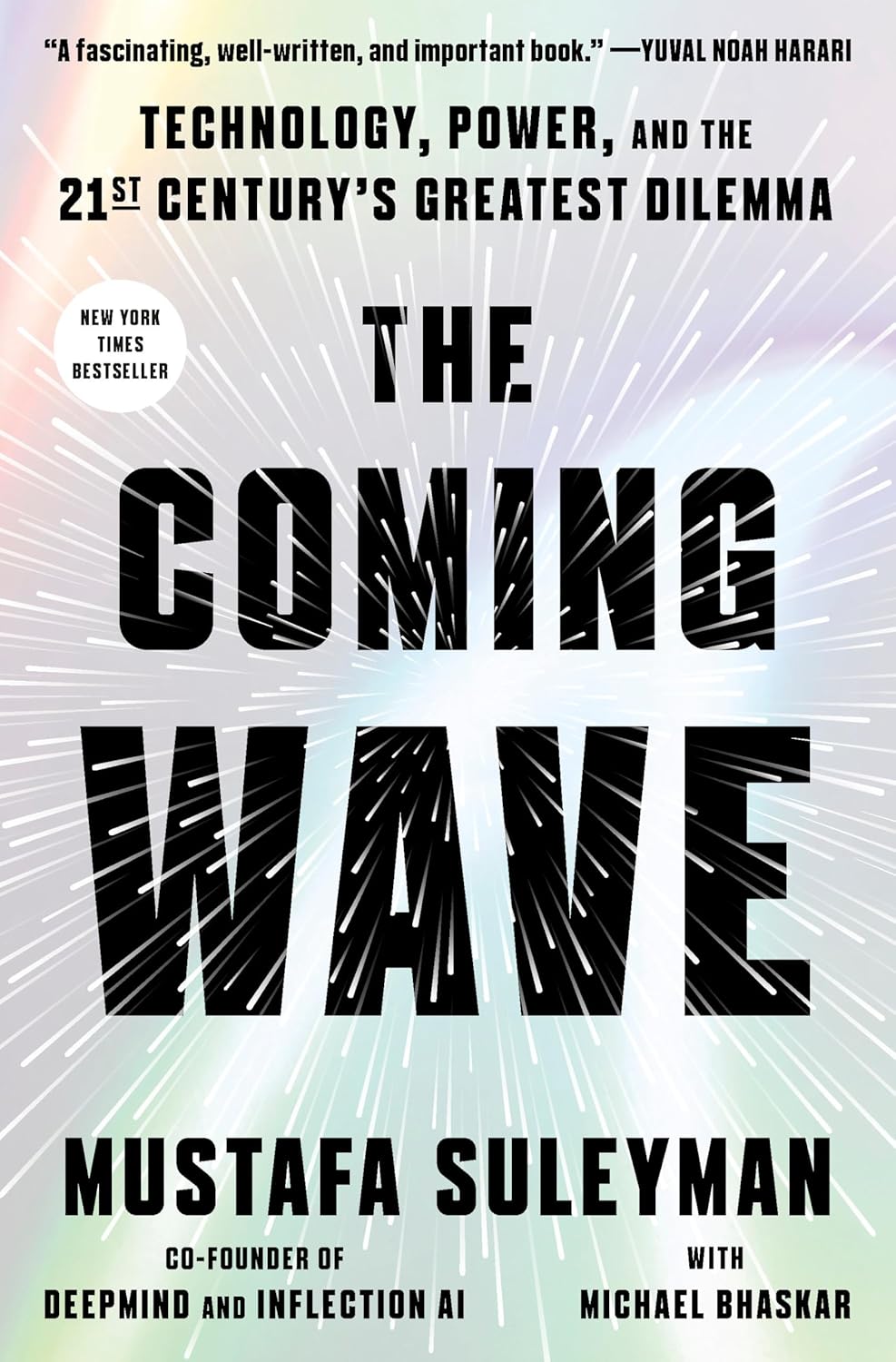
DeepMind co-founder on the dilemma of containing technologies that do not want to be contained.

AI as an extractive industry: the lithium, the energy, the underpaid data-labeling work and the bodies behind the cloud.
As an Amazon Associate, Zendoric earns from qualifying purchases; the price does not change for you. · all our recommended books →
🔗 Related on Zendoric
- The European Commission designates ChatGPT, Reddit and Roblox as major platforms under the Digital Services Act · 2026-09-03
- Vint Cerf, 'father of the Internet', retires from Google after more than two decades · 2026-07-03
- Agentic AI is already spooking insurers: Verisk studies excluding it from standard policies · 2026-07-11